DKS Solar Solutions

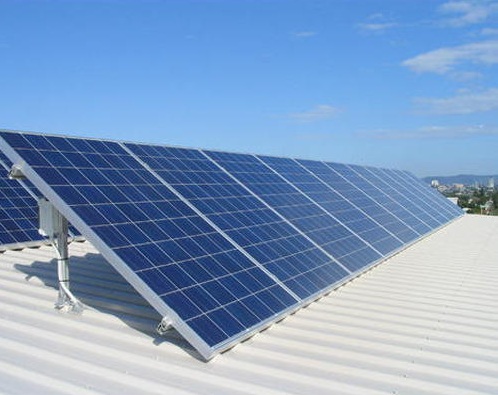
ONGRID SOLAR POWER SYSTEM

₹ 54000.00  Incl. GST/Nos ₹ 45762.71 Excl. GST

Description

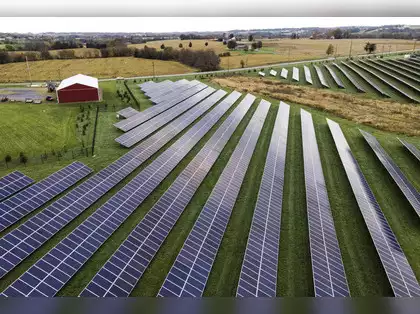
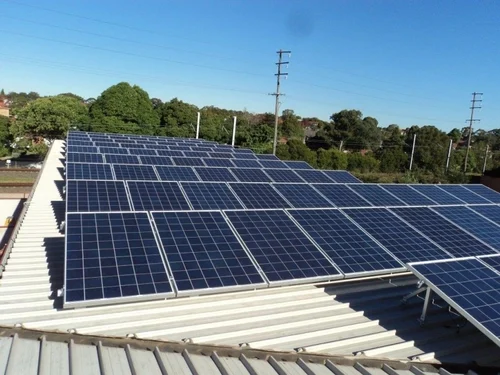
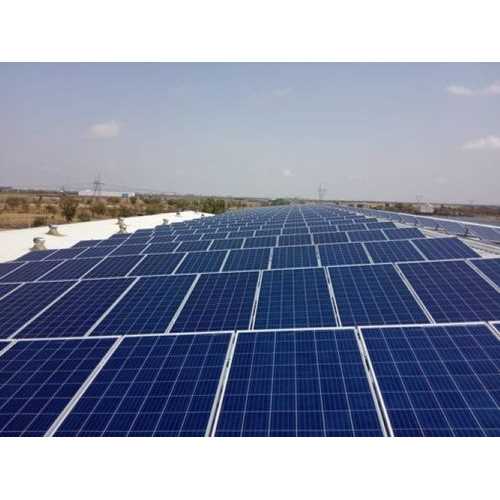
An on-grid solar power system, also known as a grid-tied or grid-connected system, is a type of solar energy system that is connected to the electrical grid. In this setup, the solar power system works in conjunction with the utility grid, allowing for the exchange of electricity between the system and the grid.
  1. Solar Panels: The solar panels capture sunlight and convert it into direct current (DC) electricity.

  2. Inverter: The DC electricity produced by the solar panels is converted into alternating current (AC) electricity using an inverter. The inverter ensures that the electricity generated by the solar panels matches the voltage and frequency of the grid.

  3. Grid Connection: The AC electricity from the inverter is then fed into the building's electrical system, where it can power appliances and other electrical loads. If the electricity generated by the solar panels exceeds the immediate demand of the building, the excess electricity is sent back to the grid.

  4. Net Metering: In an on-grid system, a net meter is installed to measure the flow of electricity between the system and the grid. During periods when the solar panels generate more electricity than is being consumed, the excess energy is fed back into the grid, and the net meter records the surplus. This surplus energy is credited to the homeowner's electricity bill, offsetting future energy consumption from the grid.

Benefits of On-Grid Solar Power Systems:

  1. Cost Savings: By generating electricity from solar power, homeowners can reduce their electricity bills. The excess electricity fed back into the grid can result in credits or compensation from the utility company.

  2. Environmental Benefits: On-grid solar power systems utilize clean, renewable energy, reducing reliance on fossil fuels and lowering carbon emissions.

  3. Grid Backup: During times when the solar panels are not producing enough electricity (e.g., at night), homeowners can still rely on the grid for uninterrupted power supply. This eliminates concerns about system performance or energy shortages.

  4. Scalability: On-grid systems can be designed to meet the specific energy needs of a property. If additional electricity is required, homeowners have the option to increase the capacity of the system.

  5. Incentives: Depending on the location, homeowners may be eligible for government incentives such as tax credits, rebates, or feed-in tariffs, which can help offset the upfront cost of installing a solar power system.
ONGRID SOLAR POWER SYSTEM

Product ID (MPN): ITB-5845FC54
Availability:In Stock
₹ 54000.00  Incl. GST ₹ /Nos
Brand Name DKS Solar Solutions
Model ITB-5845FC54
Condition New
Unit Type Nos
Minimum Order Quantity 1
Minimum Ordered Packs 1
Country of Origin India
Taxes Inclusive of Tax
Ships from Noida
Shipping Product eligible for free shipping
Returnable 7 Days Return
Warranty Type Manufacturer / Seller
Warranty Not Applicable
SELLER INFORMATION
DKS Solar Solutions
Business Address
CS-003,Alpha 1, Alpha Plaza, Gautam Buddha Nagar, Greater Noida, Gautam Budh Nagar, Uttar Pradesh ,, Noida Uttar Pradesh-201310
  • Description
    An on-grid solar power system, also known as a grid-tied or grid-connected system, is a type of solar energy system that is connected to the electrical grid. In this setup, the solar power system works in conjunction with the utility grid, allowing for the exchange of electricity between the system and the grid.
    1. Solar Panels: The solar panels capture sunlight and convert it into direct current (DC) electricity.

    2. Inverter: The DC electricity produced by the solar panels is converted into alternating current (AC) electricity using an inverter. The inverter ensures that the electricity generated by the solar panels matches the voltage and frequency of the grid.

    3. Grid Connection: The AC electricity from the inverter is then fed into the building's electrical system, where it can power appliances and other electrical loads. If the electricity generated by the solar panels exceeds the immediate demand of the building, the excess electricity is sent back to the grid.

    4. Net Metering: In an on-grid system, a net meter is installed to measure the flow of electricity between the system and the grid. During periods when the solar panels generate more electricity than is being consumed, the excess energy is fed back into the grid, and the net meter records the surplus. This surplus energy is credited to the homeowner's electricity bill, offsetting future energy consumption from the grid.

    Benefits of On-Grid Solar Power Systems:

    1. Cost Savings: By generating electricity from solar power, homeowners can reduce their electricity bills. The excess electricity fed back into the grid can result in credits or compensation from the utility company.

    2. Environmental Benefits: On-grid solar power systems utilize clean, renewable energy, reducing reliance on fossil fuels and lowering carbon emissions.

    3. Grid Backup: During times when the solar panels are not producing enough electricity (e.g., at night), homeowners can still rely on the grid for uninterrupted power supply. This eliminates concerns about system performance or energy shortages.

    4. Scalability: On-grid systems can be designed to meet the specific energy needs of a property. If additional electricity is required, homeowners have the option to increase the capacity of the system.

    5. Incentives: Depending on the location, homeowners may be eligible for government incentives such as tax credits, rebates, or feed-in tariffs, which can help offset the upfront cost of installing a solar power system.