
HOTLINE: +91 851-114-2701
2 listings from verified sellers across India
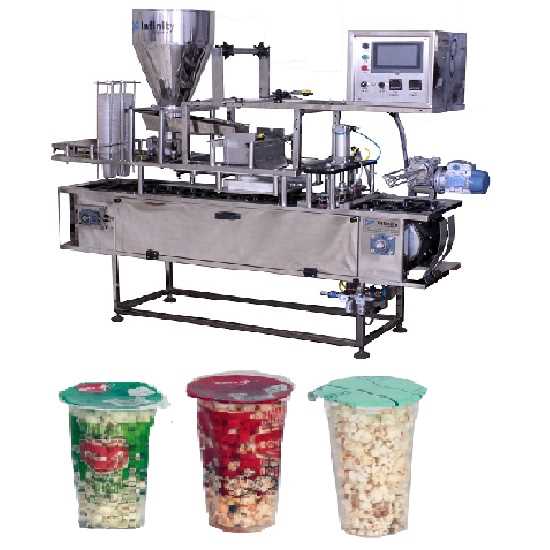
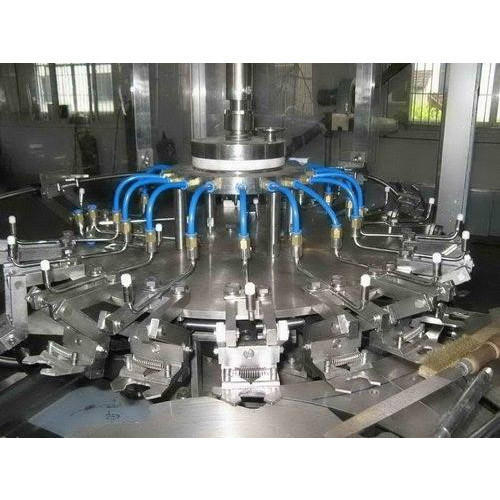
Filling Machines & Plants
Filling machines are automated or semi-automated devices used to dispense a precise quantity of a product into containers (bottles, jars, pouches, cans, bags, etc.). A "filling plant" typically refers to a complete integrated system that encompasses not only filling but also upstream (e.g., mixing, storage) and downstream processes (e.g., capping, labeling, packaging) to deliver a finished product.
Types of Filling Machines & Plants
Volumetric Fillers: Dispense a consistent volume of product.
Piston Fillers: For liquids, creams, gels, pastes.
Time-Pressure Fillers: Fill for a set duration, often used for liquids.
Auger Fillers: For powders, granules, and dry products.
Gravimetric (Weight) Fillers: Dispense product based on weight for high accuracy, suitable for high-value products or those with inconsistent density.
Level Fillers: Fill containers to a consistent level, often for aesthetic reasons.
Counter Fillers: Dispense a specific number of items (e.g., pills, candies).
Rotary Fillers: High-speed continuous operation where containers move on a turntable through filling stations.
Inline Fillers: Containers move in a straight line through filling stations.
Hot Fillers: For products filled at elevated temperatures.
Aseptic Fillers: For sterile products, operating in a sterile environment.
Bag-in-Box Fillers: For bulk liquids.
Types of Product
Bottling Plants: For beverages (water, juices, soft drinks, liquor), oils, chemicals, pharmaceuticals. Includes rinsing, filling, capping, labeling.
Pouch/Sachet Filling Plants: For liquids, powders, snacks. Includes form-fill-seal (FFS) or pre-made pouch filling.
Can Filling Plants: For beverages or food in cans.
Aerosol Filling Plants: Specialized for aerosol products.
Cosmetic Filling Plants: For creams, lotions, perfumes.
Pharmaceutical Filling Plants: For syrups, tablets, capsules, sterile injectables.
Applications in Various Industries
Food & Beverage: Dominant user for packaging drinks, dairy products, sauces, jams, snacks, grains, etc. Emphasis on hygiene, speed, shelf-life.
Pharmaceuticals: Filling liquid medications, powders, capsules, and highly sterile injectables. Strict regulatory compliance, accuracy, and sterility are paramount.
Cosmetics & Personal Care: Filling creams, lotions, shampoos, perfumes, and other personal care items. Focus on aesthetics and precision.
Chemical Industry: Filling industrial chemicals, lubricants, paints, and detergents. Material compatibility is crucial.
Agriculture: Filling fertilizers, pesticides, and animal feeds.
Technology:
Filling Mechanisms: Piston pumps, gear pumps, peristaltic pumps, servo-driven augers, vibratory feeders.
Container Handling: Star wheels, timing screws, conveyor belts, indexing systems.
Capping & Sealing: Rotary cappers, chuck cappers, induction sealers, heat sealers, snap-on lid applicators.
Quality Control: Fill level detection (vision systems, checkweighers), metal detectors, cap presence detection.
Automation: PLCs, servo motors, robotics for precise control, high speed, and flexibility.
Hygiene: CIP (Clean-in-Place), SIP (Sterilize-in-Place) systems, laminar flow, HEPA filtration for aseptic and sterile applications.
Integration: Seamless integration of all machines on the line with central control systems.
Material Selection Considerations
Product Contact Parts: