
HOTLINE: +91 851-114-2701
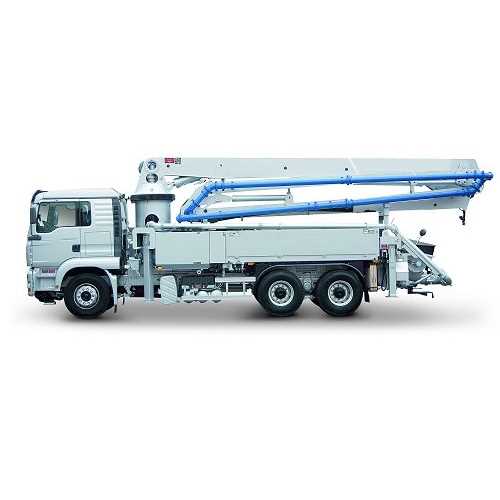
Boom Lift Rental
A boom lift is a mobile aerial work platform (AWP) with an extendable arm (boom) and platform or bucket for one or more workers. They lift personnel, tools, and equipment to work at height. Because of their cost and specialized use, boom lifts are often rented by construction and maintenance firms for tasks like building maintenance, electrical work, and event setup
Type of Boom Lift Rental
Articulating (Knuckle) Booms: Arms with multiple joints that can “bend,” allowing the platform to reach up and over obstacles
Good for accessing areas with obstructions (e.g. over fences, into atriums).
Telescopic (Straight) Booms: Extend in a straight line for maximum horizontal/vertical reach
Ideal for tasks requiring long outreach (e.g. electrical line repair, tree trimming).
Trailer-mounted vs. Self-propelled: Smaller booms may be towable (e.g. 30–60 ft trailer booms) for easy transport, while larger units are mounted on four-wheel chassis (rubber tires or tracks) for rough terrain.
Power Source: Electric-powered booms (battery) are used indoors (zero emissions, low noise), while diesel or dual-fuel booms are common outdoors
Applications in various Industries
Boom lifts are used in construction, facility maintenance, warehousing, film production, utilities, and emergency services. For example, articulating booms are used for signage or window cleaning on tall structures
while telescopic booms reach high exterior facades or infrastructure. In India, boom lifts are rented by builders, event organizers (staging lights), and telecom installers. Global applications include shipyard maintenance and aircraft servicing (high-reach lifts).
Material Selection Considerations
Booms are typically constructed of high-strength steel to support heavy loads at extended reach. Outdoor models have rugged chassis with corrosion-resistant paints. Hydraulic components (pistons, cylinders) use hardened steel for wear resistance. Platforms have safety rails (steel tubing) and non-slip decks. Tires are often solid or foam-filled for puncture resistance outdoors, pneumatic for indoor traction. Material choice balances structural strength with weight (for transportability) and corrosion resistance (e.g. galvanizing steel).
Everything you need to know about boom lift rental
It varies on models and vehicles, some of smallest models are 40 feet tall having a range of reach up to 36 feet, it comes in other range of 60 feet, 80 feet, 120 feet which have a
range of 75 feet, some bucket trucks have ranged as big as 320 feet.
While it's used for commercial business renting it rather than buying it, most homeowners only have it occasionally. So just being used for very little time it is good to rent it rather
than to invest in it.
Rental of Boom Lift varies from the type of vehicle, its height range, load carying capacity, and other such factors. It varies from 10K to 30K per day also weekly rent is reduced up
to 50K to 1.75L per week.