
HOTLINE: +91 851-114-2701
5 listings from verified sellers across India
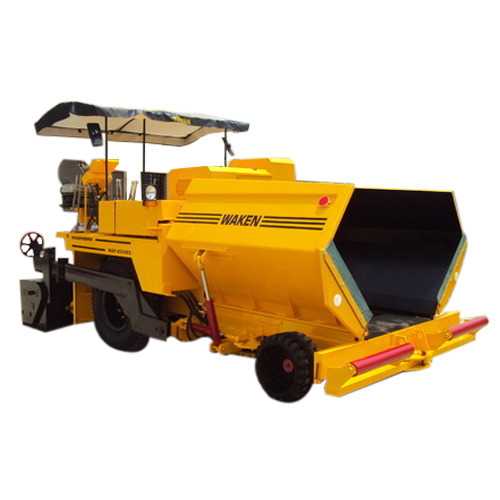
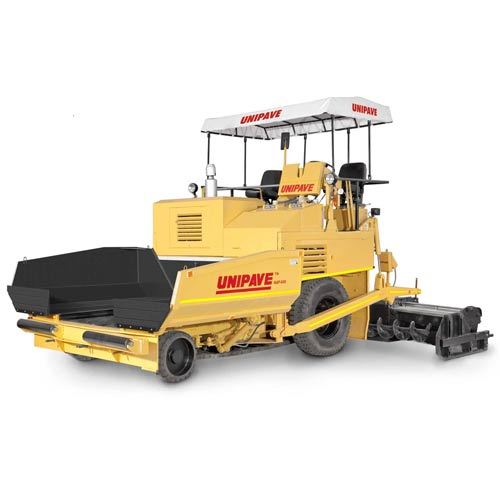
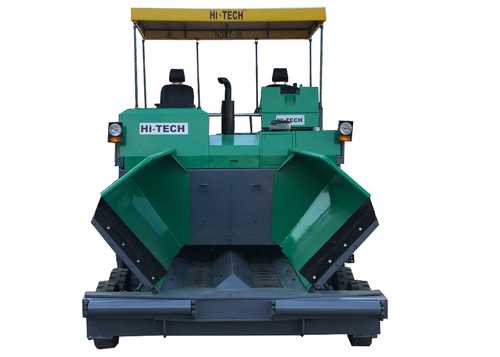
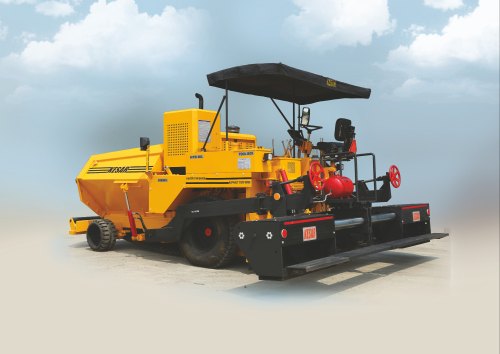
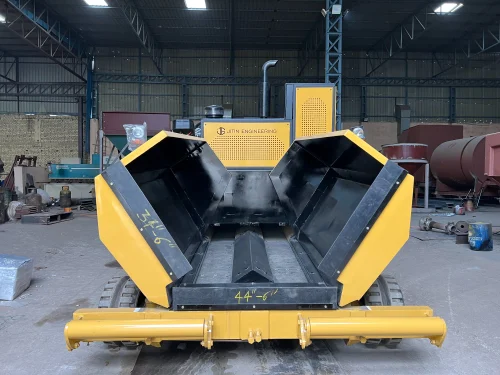
Asphalt Paver Finisher
An asphalt paver (road paving machine) is construction equipment that lays asphalt concrete on surfaces (roads, runways) and provides initial compaction. It receives hot-mix asphalt from trucks, then spreads and partially compacts it with a screed (heating and vibrating plate) to create a smooth base for final compaction by a roller
Type of Asphalt Paver Finisher
Tracked vs. Wheeled: Tracked pavers have metal tracks for stability on uneven ground; wheeled pavers are more maneuverable on finished surfaces.
Asphalt vs. Concrete (Slipform) Pavers: While “asphalt pavers” lay bituminous mixes, slipform concrete pavers spread and shape ready-mix concrete for rigid pavements
Portable vs. Stationary: Some small manual pavers exist for narrow applications, but most highway pavers are large, engine-driven machines with hoppers and conveyors.
Applications in Various Industries
Used exclusively in road and pavement construction. Asphalt pavers lay final wearing layers on highways, streets, parking lots, airport runways, etc. They are essential for new road construction and resurfacing. In India’s rapid infrastructure expansion, pavers are standard on highway projects. Globally, pavers (names like Bomag, Vögele, Volvo) are standard equipment in road builders’ fleets.
Material Selection Considerations
Pavers have a steel chassis and hopper capable of handling hot, heavy asphalt. The screed at the rear is typically made of cast iron or steel with replaceable wear plates; it’s heated (often with burners or electrical heaters) and vibrated to compact asphalt. Components in contact with asphalt (augers, conveyors, plates) use hardened steel to resist abrasion. Because pavers operate on hot, sticky material, surfaces are regularly washed, so corrosion resistance coatings (e.g. high-temp paint) are used. Portability and weight also matter: machines are designed for optimum stability yet transportability by road.