
HOTLINE: +91 851-114-2701
5 listings from verified sellers across India
%20Thermic%20Fluid%20Heater.png)
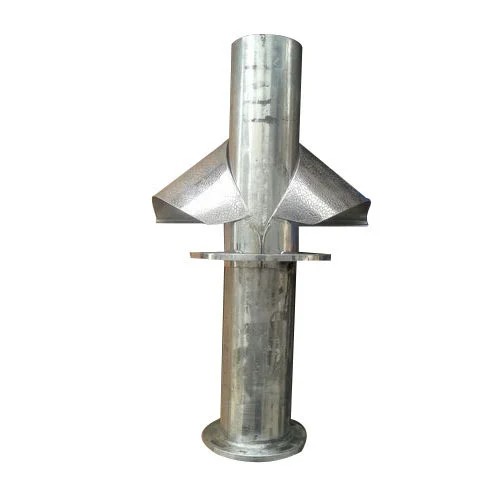
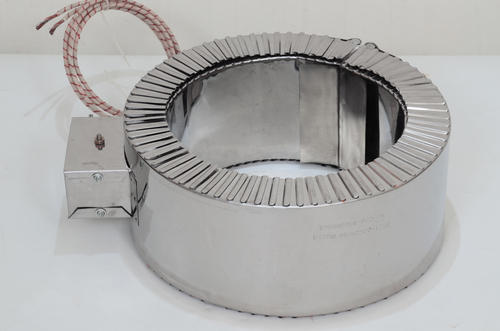
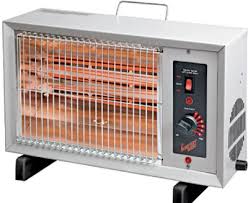
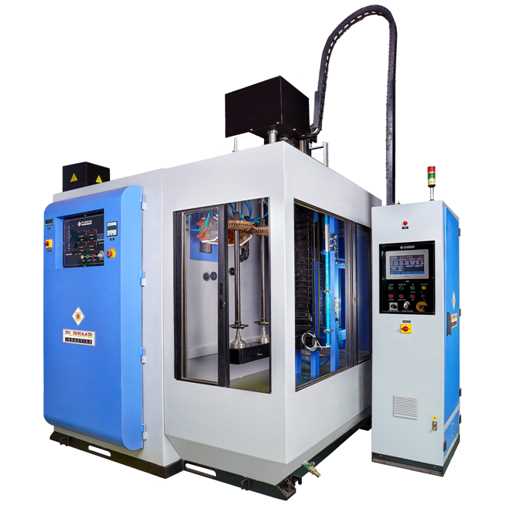
Heater Thermostat & Heating Devices
This category encompasses devices used to generate heat (heating devices) and control temperature (thermostats). Heating devices convert electrical or chemical energy into thermal energy, while thermostats are sensors and control units that regulate heating devices to maintain a desired temperature setpoint, ensuring comfort, efficiency, and safety.
Types of Heater Thermostat & Heating Devices
Heating Devices:
Electric Heaters:
Resistive Heaters: Convert electricity directly into heat through resistance (e.g., coil heaters, ceramic heaters, fan heaters, baseboard heaters).
Infrared Heaters: Emit radiant heat directly to objects (e.g., quartz heaters, radiant panels).
Convection Heaters: Heat air, which then circulates (e.g., oil-filled radiators, panel heaters).
Immersion Heaters: Directly heat liquids (e.g., water heaters, industrial process heaters).
Gas Heaters: Burn natural gas or propane (e.g., furnaces, space heaters, radiant tube heaters, water heaters).
Oil Heaters: Burn fuel oil (e.g., oil-fired boilers, furnaces).
Heat Pumps: Transfer heat from one place to another (e.g., air source, ground source heat pumps, also capable of cooling).
Induction Heaters: Use electromagnetic induction to heat conductive materials.
Microwave Heaters: Use microwave radiation to heat materials (e.g., microwave ovens, industrial dryers).
Thermostats:
Mechanical Thermostats: Use bimetallic strips, bellows, or gas-filled bulbs that expand/contract with temperature changes to activate a switch. Simple, often non-programmable.
Digital Thermostats: Use electronic sensors (thermistors, RTDs, thermocouples) to measure temperature and microprocessors for control. Often programmable, display temperature digitally.
Smart/Wi-Fi Thermostats: Digital thermostats with internet connectivity, allowing remote control via apps, learning algorithms (e.g., Nest, Ecobee), and integration with home automation systems.
Line Voltage Thermostats: Directly control the heating element's power for electric heaters.
Low Voltage Thermostats: Control heating/cooling systems through a relay (e.g., HVAC furnaces, boilers).
Industrial Thermostats/Temperature Controllers: More robust and precise for industrial process control, often with PID (Proportional-Integral-Derivative) control.
Applications in Various Industries
HVAC (Heating, Ventilation, Air Conditioning): Climate control in residential, commercial, and industrial buildings. Thermostats are central to these systems.
Appliances: Ovens, refrigerators, water heaters, washing machines, dryers, dishwashers all use heating elements and thermostats.
Industrial Processes:
Manufacturing: Heat treatment of metals, plastic molding, curing, drying, food processing (baking, cooking), chemical reactions.
Oil & Gas: Process heating, pipeline heating.
Textiles: Drying, dyeing, heat setting.
Electronics: Soldering, reflow ovens.
Medical & Laboratory: Incubators, sterilization equipment, heating baths.
Automotive: Engine block heaters, cabin heaters.
Technology:
Resistive Heating: Principle behind electric heaters (Joule heating).
Combustion: For gas/oil heaters, involves controlled burning of fuel.
Phase Change Materials (PCMs): In some advanced heating/cooling systems for thermal energy storage.
PID Control: Advanced control algorithm in industrial thermostats for precise temperature regulation.
Sensor Technology: Thermistors (resistance changes with temperature), RTDs (Resistance Temperature Detectors, more accurate), Thermocouples (voltage changes with temperature, wide range).
Microcontrollers/PLCs: For digital and smart thermostats, enabling programming, network communication, and complex control logic.
Safety Features: Overheat protection (thermal cutouts), flame sensors (for combustion heaters), pressure relief valves (for water heaters).
Energy Management Systems (EMS): Integration of smart thermostats for optimized energy consumption.
Material Selection Considerations:
Nickel-Chromium (Nichrome) Alloys: Common for resistance wire due to high resistivity, oxidation resistance at high temperatures.
Kanthal (FeCrAl alloys): For very high temperature applications.
Ceramic: For ceramic heaters (PTC ceramic elements) or as insulators around heating coils.
Sheathing (for immersion/tube heaters): Stainless steel (304, 316, Incoloy) for corrosion resistance and high temperature, copper for water heaters, titanium for highly corrosive liquids.
Bimetallic Strips: Two dissimilar metals (e.g., brass and steel) with different thermal expansion coefficients.
Thermistors: Semiconductors (oxides of nickel, manganese, cobalt).
RTDs: Platinum wire (most common), nickel, or copper.
Thermocouples: Wires of two dissimilar metals (e.g., J, K, T, E types with various alloys).