
HOTLINE: +91 851-114-2701
1 listings from verified sellers across India
Hydraulic & Pneumatic Machines, Tools & Equipment
1 Hydraulic Machines, Tools & Equipment
Hydraulic and pneumatic systems are power transmission technologies that use pressurized fluids to generate mechanical force and motion. Hydraulic systems use incompressible liquids (typically oil), while pneumatic systems use compressible gases (primarily compressed air). Both are engineered for efficiency, safety, and cost-effectiveness, offering reliable operation in a wide range of applications.
Types of Hydraulic Machines, Tools & Equipment:
Hydraulic Pumps: Convert mechanical energy into hydraulic energy (e.g., gear pumps, vane pumps, piston pumps).
Hydraulic Cylinders: Linear actuators that convert hydraulic energy into linear mechanical force.
Hydraulic Motors: Rotary actuators that convert hydraulic energy into rotary mechanical force.
Valves: Control fluid flow, pressure, and direction (e.g., directional control valves, pressure relief valves, flow control valves).
Hydraulic Filters: Remove contaminants from hydraulic fluid.
Hydraulic Reservoirs: Store hydraulic fluid.
Hydraulic Hoses & Fittings: Transmit fluid under high pressure.
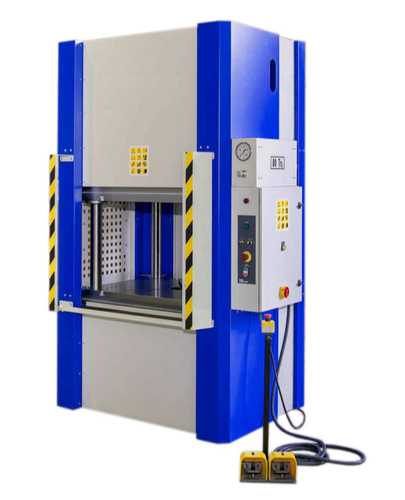
Hydraulic Presses: For forming, stamping, or compacting materials.
Hydraulic Jacks: For lifting heavy objects.
Excavators, Loaders, Forklifts: Heavy construction and material handling equipment.
Applications in Various Industries
Construction: Excavators, bulldozers, cranes, loaders, concrete pumps. (Technology: High-pressure pumps, multi-axis control valves, hydrostatic drives).
Manufacturing: Metal forming presses, injection molding machines, industrial robots, assembly lines. (Technology: Proportional valves for precise control, servo hydraulics).
Automotive: Braking systems, power steering, suspension systems.
Aerospace: Aircraft landing gear, flight control surfaces.
Marine: Steering gears, deck machinery, thrusters.
Agriculture: Tractors, harvesters (implements actuation).
Mining: Large excavation equipment, rock breakers.
Material Selection Considerations
2 Pneumatic Machines, Tools & Equipment
Pneumatics use compressed gases (typically air) to transmit power. They are known for their speed, cleanliness, safety, and suitability for environments where leaks must be minimized.
Types of Pneumatic Machines, Tools & Equipment
Air Compressors: Generate compressed air (e.g., piston, screw, scroll compressors).
Pneumatic Cylinders: Linear actuators.
Pneumatic Motors: Rotary actuators.
Pneumatic Valves: Control air flow, pressure, and direction.
Air Filters, Regulators, Lubricators (FRLs): Condition compressed air.
Pneumatic Tools: Air wrenches, drills, grinders, nail guns, sanders.
Pneumatic Conveying Systems: Transport bulk materials using air pressure.
Air Springs/Actuators: For cushioning and vibration isolation.
Applications in Various Industries
Automation & Robotics: Pick-and-place machines, assembly lines, packaging machinery. (Technology: Rapid actuation, clean operation, precise control with electro-pneumatic valves).
Manufacturing: Clamping, gripping, sorting, material handling, spray painting.
Food & Beverage: Packaging, sorting, mixing, cleanroom applications. (Technology: Food-grade materials, oil-free compressors).
Medical & Pharmaceutical: Dental drills, medical device actuation, cleanroom applications. (Technology: High speed, clean operation, quiet).
Automotive: Assembly plants (air tools, robotic grippers).
Textile: Weaving looms, dyeing machines.
HVAC: Actuating dampers and valves.
Material Selection Considerations