
HOTLINE: +91 851-114-2701
1 listings from verified sellers across India
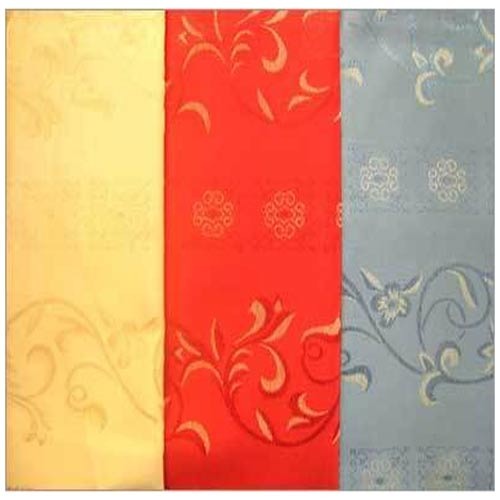
Printed & Dyed Fabric
Printed and dyed fabrics are textile materials that have undergone processes to impart color and patterns onto their surfaces. Dyeing involves uniformly immersing fabric in a dye solution to impart a solid color, while printing selectively applies colorants to specific areas of the fabric to create designs, patterns, or images. These processes are fundamental to the textile industry, transforming raw fabrics into aesthetically appealing and functional materials for a vast range of products.
Types of Product:
By Base Fabric Material:
Natural Fibers: Cotton, linen, silk, wool, jute.
Synthetic Fibers: Polyester, nylon, rayon, spandex, acrylic.
Blends: Combinations of natural and synthetic fibers.
By Dyeing Method:
Piece-Dyed Fabric: Fabric dyed after it has been woven or knitted. Most common.
Yarn-Dyed Fabric: Individual yarns are dyed before weaving or knitting, creating patterns like stripes or plaids.
Fiber-Dyed Fabric: Fibers are dyed before spinning into yarn.
Garment-Dyed Fabric: Finished garments are dyed.
By Printing Method:
Flatbed Screen Printing: Fabric is laid flat, and screens are lowered sequentially.
Rotary Screen Printing: Cylindrical screens rotate to print continuously as fabric passes underneath. High speed, most common for bulk printing.
Digital Printing (Inkjet Printing): Inkjet heads directly apply liquid dyes or pigments onto fabric, controlled by a computer. Allows for complex designs, short runs, and minimal setup.
Roller Printing: Uses engraved metal rollers. Very high speed but high setup cost, suitable for long runs with simple patterns.
Transfer Printing: Design is first printed onto paper, then transferred to fabric using heat and pressure (common for polyester with disperse dyes).
Block Printing: Manual method using carved wooden blocks.
Discharge Printing: Uses chemicals to remove color from a previously dyed fabric to create a pattern.
Resist Printing (e.g., Batik, Tie-Dye): Areas are protected from dye absorption to create patterns.
Applications in Various Industries:
Apparel & Fashion: Clothing (shirts, dresses, jeans, sportswear), accessories.
Home Furnishings: Curtains, upholstery, bed linens, towels, carpets.
Automotive: Seat covers, interior trims.
Technical Textiles: Bags, outdoor gear, signage, flags.
Medical Textiles: Uniforms, drapes (often with specific antimicrobial or flame-retardant finishes).
Material Selection Considerations:
Fibers:
Nylon: Often dyed with acid dyes.
Machine Components (Dyeing/Printing):