
HOTLINE: +91 851-114-2701
1 listings from verified sellers across India
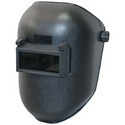
Welding Equipments & Machinery
Welding equipment and machinery encompass a wide range of tools and apparatus used to join materials, primarily metals, by causing coalescence. This is typically achieved by melting the workpieces and adding a filler material to form a strong joint. Welding is a fundamental process in manufacturing, construction, and repair across numerous industries.
Types of Welding equipment and machinery
Arc Welding Machines: Shielded Metal Arc Welding (SMAW/Stick), Gas Metal Arc Welding (GMAW/MIG), Gas Tungsten Arc Welding (GTAW/TIG), Flux-Cored Arc Welding (FCAW), Submerged Arc Welding (SAW).
Resistance Welding Machines: Spot Welding, Seam Welding, Projection Welding, Flash Welding.
High Energy Beam Welding: Laser Beam Welding (LBW), Electron Beam Welding (EBW).
Solid-State Welding: Friction Stir Welding (FSW), Ultrasonic Welding, Diffusion Bonding, Explosive Welding.
Other Equipment:
Plasma Arc Welding (PAW), Oxy-fuel Welding and Cutting equipment, welding torches, electrodes, filler materials, welding helmets, safety gear, positioners, rotators, manipulators.
Applications in Various Industries
Applications:
Manufacturing (automotive, aerospace, shipbuilding, heavy machinery), construction (bridges, buildings, pipelines), energy (oil & gas, power plants, renewables), repair and maintenance, artistic metalwork.
Material Selection Considerations