
HOTLINE: +91 851-114-2701
2 listings from verified sellers across India
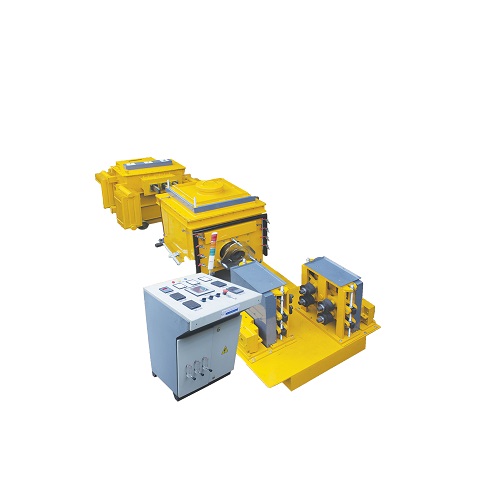
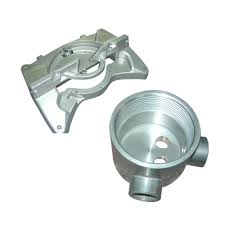
Casting, Moulding & Forging Machines
A group of manufacturing machines used to shape raw materials (metals, plastics, composites) into desired forms by applying heat, pressure, or both. These processes are fundamental to mass production and creating complex geometries.
Types of Casting Moulding & Forging Machine
Casting Machines:
Die Casting Machines: High-pressure injection of molten metal into reusable steel dies (Hot Chamber for low-melt alloys, Cold Chamber for high-melt alloys).
Sand Casting Machines: For compacting sand molds.
Investment Casting (Lost Wax) Equipment: For wax injection, ceramic slurrying, furnace.
Continuous Casting Machines: For producing continuous metal billets.
Moulding Machines (Plastics/Composites):
Injection Moulding Machines: For injecting molten plastic into molds (Horizontal, Vertical, All-electric, Hydraulic, Hybrid).
Blow Moulding Machines: For producing hollow plastic parts (Extrusion Blow Moulding, Injection Blow Moulding).
Compression Moulding Machines: For thermosets and composites.
Rotational Moulding Machines: For large, hollow plastic parts.
Thermoforming Machines: For shaping plastic sheets.
Forging Machines:
Forging Presses: Hydraulic presses (slow, high force), Mechanical presses (faster, fixed stroke).
Forging Hammers: Drop hammers, power hammers (air, steam, hydraulic).
Roll Forging Machines: For pre-forming blanks.
Upset Forging Machines.
Applications in Various Industries:
Automotive: Engine blocks, wheels, plastic interior parts, body panels, forged crankshafts.
Aerospace: Turbine blades, structural components (forged).
Industrial Machinery: Gears, housings, frames, machine components.
Consumer Goods: Plastic casings (electronics), metal parts, tools.
Medical Devices: Surgical instruments, implants.
Oil & Gas: Valve bodies, flanges, connectors.
Construction: Fittings, brackets, components.
Technology:
Precision Control: Advanced PLC/CNC systems for process parameters (temperature, pressure, speed, time).
Robotics: For material handling, part removal, automation.
Induction Heating: For precise and rapid heating of billets for forging.
Sensors & Monitoring: Real-time process monitoring, quality control.
Mold/Die Design: CAD/CAM integration, simulation software.
Energy Efficiency: Servo-electric drives in injection molding, heat recovery.
Material Feeding Systems: Automated material dryers, feeders.
Material Selection Considerations