
HOTLINE: +91 851-114-2701
1 listings from verified sellers across India
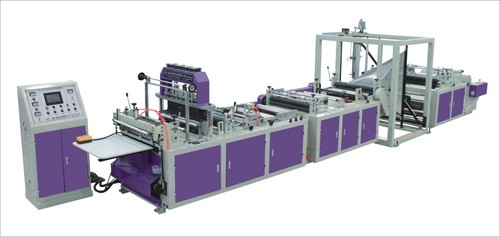
Non-Woven Bag Making Machine
A non-woven bag making machine fabricates shopping or tote bags from non-woven polypropylene (or similar) fabric. It cuts the fabric to bag dimensions, often folds and welds or stitches edges, and adds handles. Most modern lines use ultrasonic welding (high-frequency vibration) to bond the fabric and handles without thread.
Type of Non-Woven Bag Making Machine
Machines range from manual/semi-auto bag formers to fully automatic bag production lines. Basic machines require manual placement of handles or require operator intervention; advanced lines automatically cut fabric, weld handles (tube or ribbon), and output finished bags. They can produce various bag styles: flat bottom bags, gusseted bags, zip-top bags, etc. Key components include fabric unwinds, cutters, ultrasonic welding horns, and conveyors. Output speeds vary (tens to over a hundred bags/minute) depending on automation.
Applications in various Industries
Non-woven bag machines supply the retail packaging industry. Produced bags are used as promotional tote bags, grocery bags, shopping bags, medical bags, etc. They are popular for being cheap, reusable, and recyclable. In India, with bans on plastic bags, non-woven bags are widely manufactured using these machines for supermarkets and retail chains.
Material Selection Considerations
Machines have heavy steel frames for rigidity (to support welding and cutting). Ultrasonic welding horns are usually aluminum or titanium alloy (good vibration properties). Roll shafts and rollers are steel. Cutting knives are tool steel. Contact parts are often stainless or coated steel for durability and to avoid sticking (adhesive from materials or heat). Conveyors/belts are durable plastics or coated steel. Electronics and PLC controls operate the welding generators, requiring robust housings. The chosen materials must resist wear from abrasion (fabric/threads) and tolerate the vibrational stresses of ultrasonic welding. Global and IndianEverything you need to know about non woven bag making machine
Non-Woven Bag Making Machine is capable to make many products such as non-woven D cutting bags, soft loop bags, strip through bags, gift bags, etc.
Non-Woven Bags are better than Paper Bags as Paper bags get tear easily and have less weight carying capacity as compared to Non-Woven Bag. Also, Non-Woven Bags are cheaper and eco-friendly as compared to Paper bags.