HOTLINE: +91 851-114-2701
Reflective Tapes & Fabric Films
Reflective tapes and fabric films are specialized materials designed to enhance visibility in low-light conditions by retroreflection. Unlike simple mirrors that scatter light, retroreflective materials reflect light directly back to its source, making objects or individuals highly visible to an observer located near the light source (e.g., a driver with headlights). This property is crucial for safety and signaling.
Types of Reflective Tapes & Fabric Films
By Retroreflective Technology:
Glass Bead Technology: Contains microscopic glass beads embedded in a transparent film. Light hits the beads, is reflected, and returns to the source.
Engineer Grade: Basic reflectivity, often used for non-critical signage, low-speed roads, or temporary applications.
Super Engineer Grade/High Intensity Prismatic (HIP): More reflective than engineer grade, using prisms for better light return. Commonly used on traffic signs and commercial vehicles.
Microprismatic Technology (Diamond Grade): Utilizes tiny, cube-corner prisms that are highly efficient at returning light. Offers superior brightness and wider angularity (reflects well from various angles).
Diamond Grade: Highest level of reflectivity, used for critical road signs, vehicle markings, and high-visibility clothing.
By Form/Application:
Reflective Tape: Adhesive-backed rolls of reflective material, used for marking vehicles, barriers, machinery, and safety equipment.
DOT C2 Tape: Specific width (2 inches) tape required for truck and trailer markings in the US.
Conspicuity Tape: General term for tapes applied to vehicles to make them more visible.
Rim Tape: For bicycles and motorcycles.
Reflective Fabric: Material woven or coated with reflective elements, primarily used for safety clothing.
Sew-on Reflective Fabric: Applied to garments by sewing.
Heat Transfer Reflective Film: Applied to fabric using heat and pressure.
Laminated Reflective Fabric: Reflective layer bonded to a textile backing.
SOLAS Grade Reflective Tape: Specifically designed for marine environments (Safety Of Life At Sea), offering high reflectivity even when wet, for life jackets, rafts, and marine vessels.
Printable Reflective Films: Allow for custom graphics and text to be printed on the reflective surface.
Applications of Reflective Tapes & Fabric Films
Road Safety & Traffic Control:
Traffic Signs: Reflective sheeting on road signs (stop, yield, regulatory, warning) to make them visible at night.
Traffic Cones & Barricades: Enhancing visibility in construction zones or temporary lane closures.
Vehicle Markings: Stripes and shapes on trucks, trailers, emergency vehicles, and school buses to improve their visibility (e.g., DOT C2 tape).
Personal Safety & Workwear:
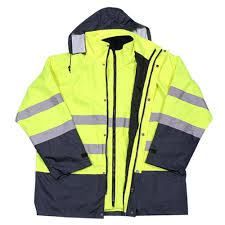
High-Visibility Clothing: Vests, jackets, pants for construction workers, emergency responders, cyclists, pedestrians, and utility workers, especially in low-light or nighttime conditions.
Footwear & Helmets: Adding reflective elements for increased safety.
Industrial & Workplace Safety:
Machinery Marking: Outlining hazardous parts or edges of machinery.
Floor Markings: Indicating pathways, exits, or hazardous areas in warehouses and factories.
Equipment Identification: Labeling tools or equipment for visibility.
Marine & Aviation Safety:
Life Jackets & Rafts: SOLAS tape for visibility at sea.
Aircraft Markings: Specific reflective materials for identification and safety.
Sporting Goods & Recreation:
Bicycles, Backpacks, Running Gear: Enhancing visibility for outdoor enthusiasts.
Material Selection of Reflective Tapes & Fabric Films
Reflective Layer:
Binding/Encapsulating Polymer: Transparent, weather-resistant polymers (e.g., acrylic, vinyl, polyurethane) to hold the reflective elements and protect them from environmental degradation.
Adhesive Layer: Acrylic-based adhesives for strong, long-lasting bonds, often with release liners.
Backing Material (for tapes): PET film, vinyl, or other flexible plastics to provide structural integrity and conformability.
Fabric Substrate (for films/fabrics): Polyester, cotton, or blended fabrics, chosen for durability, comfort, and compatibility with the reflective layer.
Durability: Resistance to UV radiation, abrasion, water, chemicals, and temperature extremes are crucial selection factors depending on the application.
Color: While reflective elements are typically silver/white for maximum brightness, the surrounding material can be colored (fluorescent yellow-green, orange) for daytime visibility.
FAQ's