
HOTLINE: +91 851-114-2701
2 listings from verified sellers across India

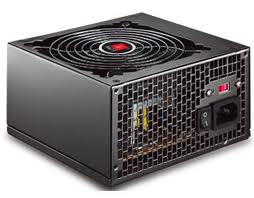
Electronic appliances and equipment encompass a vast category of devices that utilize electronic circuits to perform various functions. They range from everyday household gadgets to complex industrial machinery, all relying on the manipulation of electrical signals to operate. The field of electronics is constantly evolving, driven by advancements in semiconductor technology and integrated circuits.
Types of Electronic Appliances & Equipment
Consumer Electronics:
Home Appliances: Refrigerators, washing machines, ovens, microwave ovens, air conditioners, vacuum cleaners, dishwashers (often incorporating electronic controls).
Entertainment: Televisions, audio systems, gaming consoles, smart speakers, media players.
Communication: Smartphones, tablets, laptops, modems, routers.
Personal Care: Hairdryers, electric shavers, smartwatches, fitness trackers.
Office Electronics:
Computers (desktops, laptops), printers, scanners, projectors, shredders.
Industrial Electronic Equipment:
Automation & Control Systems: PLCs, HMIs, robotics controllers, motor drives.
Test & Measurement Equipment: Oscilloscopes, multimeters, spectrum analyzers.
Power Electronics: Inverters (for renewable energy, industrial motors), rectifiers, power supplies.
Medical Electronic Equipment: MRI machines, X-ray machines, patient monitors, diagnostic devices.
Telecommunications Equipment: Base stations, network switches, fiber optic equipment.
Specialized Equipment:
Navigation systems (GPS), security systems (CCTV, access control), laboratory equipment.
Applications in Various Industries
Residential & Commercial: Daily convenience, communication, entertainment, energy management (smart homes).
Manufacturing & Automation: Process control, robotics, quality assurance, predictive maintenance, optimizing production lines.
Healthcare: Diagnostics, treatment, patient monitoring, medical imaging, drug discovery.
Telecommunications: Global communication networks, internet infrastructure, mobile connectivity.
Transportation: Automotive electronics (engine control, infotainment, safety systems), avionics, railway control systems.
Energy Sector: Smart grids, renewable energy conversion (solar inverters, wind turbine control), power distribution.
Defense & Aerospace: Radar systems, navigation, communication, avionics.
Research & Development: Laboratory instruments, data acquisition systems, specialized computing.
Material Selection Considerations
Semiconductor Materials:
Conductors:
Insulators/Dielectrics:
Magnetic Materials:
Resistive Materials:
Packaging Materials:
Soldering Materials: