
HOTLINE: +91 851-114-2701
7 listings from verified sellers across India
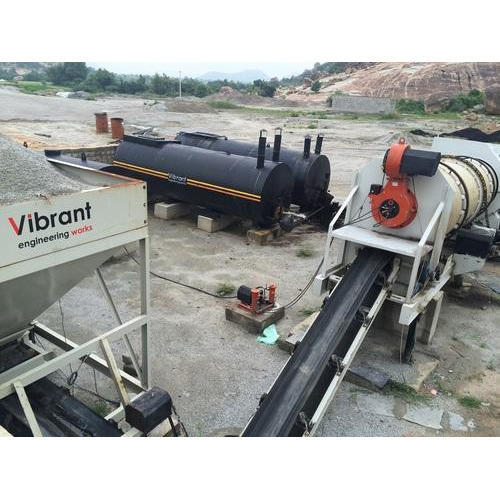
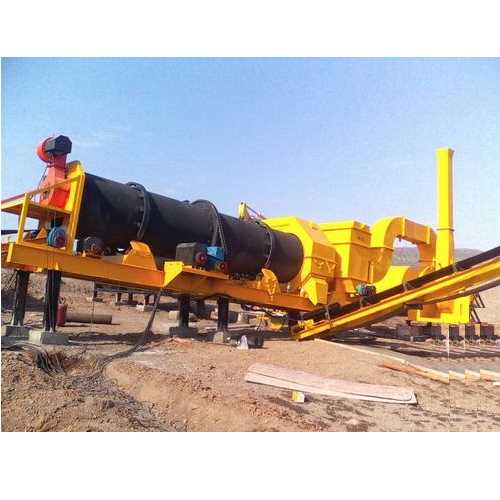
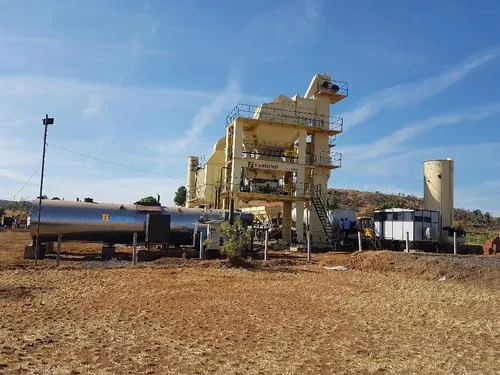
Asphalt Hot Mix Plant
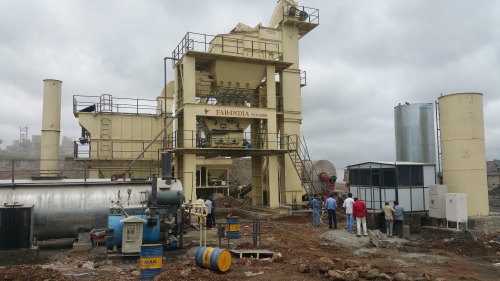
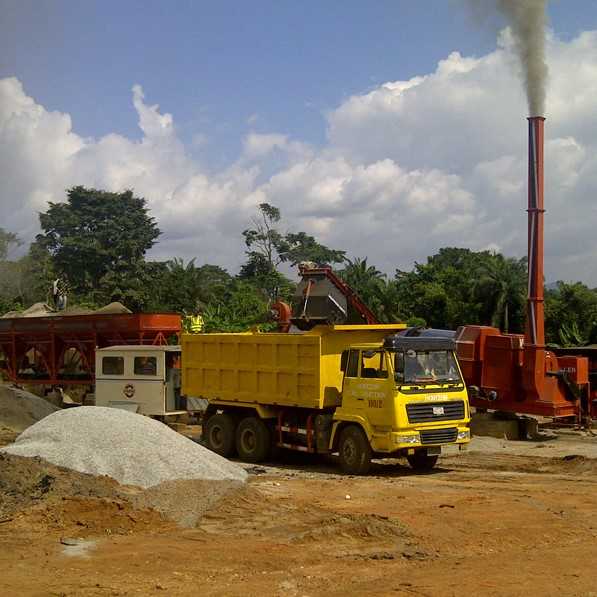
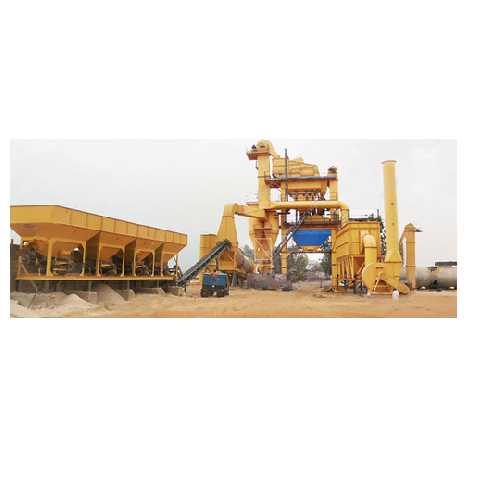
A hot mix asphalt (HMA) plant is a facility (batch or continuous type) that produces asphalt concrete (mix of aggregates and bitumen) at high temperature
The process heats aggregates, mixes them with molten bitumen and filler, and outputs hot asphalt mix for paving.
Type of Asphalt Hot Mix Plant
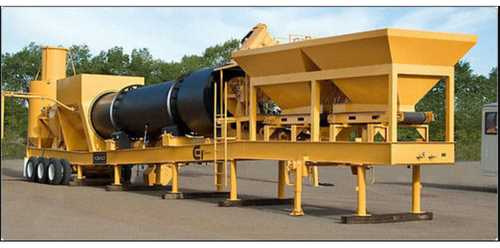
Drum Mix Plants: Continuous operations where drying and mixing occur in a single rotating drum (essentially similar to the Drum Mix Plant above).
Batch Plants: Intermittent operation. Aggregates are dried/heated, then batch-weighed and mixed in a separate pugmill or mixer
Batch plants allow more precise control of mix design.
Other distinctions: Stationary vs. Mobile/Portable, and batch vs. continuous as above. Typical batch plant capacities range from 60 to 320 tons/hour.
Applications in Various Industries
Hot mix asphalt is used for roadways, highways, parking lots, airports, and any high-performance pavement. Hot mix plants supply contractors with specified asphalt mixes. In India, both batch and drum plants are common; batch plants are favored for large urban projects requiring strict quality control, while drum plants are used in long continuous road stretches. Globally, HMA is the standard for flexible pavements.
Material Selections Considerations
Key plant materials include steel (for drums, silos, mixers) and heavy-duty components to handle abrasive aggregates and hot bitumen
Burning fuel (gas or diesel) in burners heats the drum, so burner materials resist high heat and soot. Storage silos for asphalt mix are insulated and often coated inside with anticorrosive paint to handle sticky bitumen. Filters (baghouse for batch plants) use fabric media to capture dust, necessitating flame-retardant fibers. The finished asphalt (aggregate+bitumen) must meet volumetric and durability specs, so feed systems (weighers, conveyors) are calibrated and maintained precisely