
HOTLINE: +91 851-114-2701
2 listings from verified sellers across India

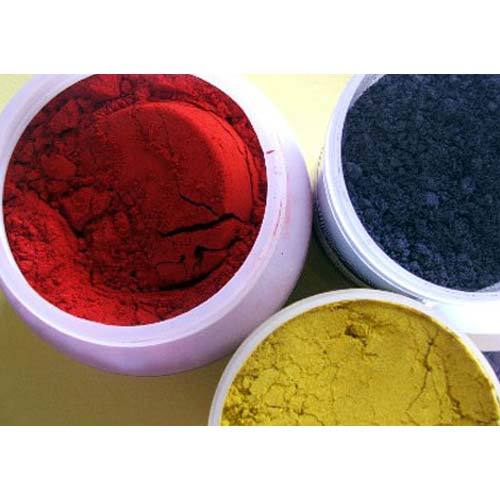
Chemicals, Dyes & Solvents
Chemicals, dyes, and solvents are foundational components across countless industries, enabling everything from the coloration of fabrics and plastics to the extraction of valuable compounds and the synthesis of new materials.
Chemicals
A broad term referring to any substance with a definite chemical composition, produced or used in a chemical process. This can include basic inorganic chemicals, organic intermediates, specialty chemicals, and fine chemicals.
Dyes
Organic or inorganic substances that impart color to a substrate by selective absorption of light. They are typically soluble in the medium of application or form strong bonds with the material.
Solvents
Substances, usually liquids, capable of dissolving other substances (solutes) to form a solution without undergoing a chemical change itself. They are crucial for facilitating chemical reactions, cleaning, and material dispersion.
Types of Chemicals, dyes, and solvents
Chemicals:
Inorganic Chemicals: Acids (sulfuric acid, hydrochloric acid), bases (sodium hydroxide, ammonia), salts (sodium chloride, calcium carbonate), industrial gases (oxygen, nitrogen).
Organic Chemicals: Petrochemicals (ethylene, propylene, benzene), polymers (polyethylene, PVC), intermediates (alcohols, aldehydes, amines).
Specialty Chemicals: Performance-enhancing chemicals for specific applications (adhesives, coatings, electronic chemicals, construction chemicals, water treatment chemicals).
Fine Chemicals: High-purity, often complex, chemicals produced in smaller quantities, used in pharmaceuticals, agrochemicals, and research.
Dyes:
Natural Dyes: Derived from plants, insects, or minerals (e.g., indigo, cochineal).
Synthetic Dyes:
Acid Dyes: For wool, silk, nylon (e.g., Azo dyes, Anthraquinone dyes).
Basic Dyes: For acrylic fibers, some modified polyesters, paper (e.g., Methylene Blue).
Direct Dyes: For cotton, rayon, linen (e.g., Congo Red).
Reactive Dyes: Form covalent bonds with cellulose fibers (cotton, rayon), producing excellent wash fastness.
Disperse Dyes: For synthetic fibers like polyester, nylon, acetate. Insoluble in water.
Vat Dyes: Water-insoluble dyes reduced to a soluble form for application, then oxidized back to insoluble form (e.g., Indigo). Known for excellent fastness.
Solvent Dyes: Soluble in organic solvents, used for plastics, fuels, inks, waxes.
Pigments: While not strictly dyes (as they are insoluble), they are often used for coloration in coatings, plastics, and inks (e.g., Titanium Dioxide, Phthalocyanine Blue).
Solvents:
Organic Solvents:
Hydrocarbons: Aliphatic (hexane, mineral spirits), Aromatic (toluene, xylene).
Alcohols: Ethanol, Isopropanol, Methanol.
Ketones: Acetone, MEK (Methyl Ethyl Ketone).
Esters: Ethyl Acetate, Butyl Acetate.
Glycol Ethers: Butyl Cellosolve.
Chlorinated Solvents: Methylene Chloride, Trichloroethylene (use declining due to environmental/health concerns).
Inorganic Solvents: Water (most common), liquid ammonia, molten salts.
Applications in Various Industries
Chemical Industry
Core production of all chemical types.
Technology: Catalysis (heterogeneous, homogeneous), process intensification, continuous flow chemistry, green chemistry principles (sustainable synthesis, waste reduction), advanced separation technologies (membrane separation, supercritical fluid extraction).
Textile Industry
Dyes for coloring fabrics, solvents for cleaning and processing.
Technology: Digital textile printing (using reactive, acid, or disperse inks), eco-friendly dyeing processes (low-water, supercritical CO2 dyeing), advanced dyeing machinery with precise temperature and chemical control.
Plastics & Polymers
Dyes and pigments for coloring plastics, solvents for polymer dissolution and processing.
Technology: Masterbatch technology (concentrated pigments/dyes in a polymer carrier), twin-screw extrusion for homogeneous dispersion, solvent-based casting for films.
Paints, Coatings & Inks
Solvents as carriers, dyes/pigments for color.
Technology: Low VOC (Volatile Organic Compound) and zero VOC formulations, water-based coatings, UV-curable inks, nanotechnology for enhanced performance (e.g., scratch resistance, self-cleaning).
Pharmaceuticals
Solvents for synthesis, extraction, purification, and crystallization of active pharmaceutical ingredients (APIs). Fine chemicals as precursors.
Technology: Continuous manufacturing, flow reactors, solvent recovery systems, highly pure solvents and reagents.
Agriculture
Chemicals for fertilizers, pesticides, herbicides; solvents for formulations.
Technology: Precision agriculture techniques, slow-release fertilizers, bio-pesticides, drone-based spraying with optimized formulations.
Automotive
Coatings, functional fluids, polymers.
Technology: Electrocoating (e-coating) for corrosion protection, multi-layer paint systems, solvent-based and water-based paints, specialized solvents for cleaning.
Food & Beverage
Food colors, flavor compounds, cleaning solvents.
Technology: Natural food color extraction, aseptic processing, CIP (Clean-in-Place) systems using specialized cleaning chemicals.
Material Selection Considerations
Corrosion Resistance
Crucial for reactors, pipes, storage tanks, and valves. Materials must withstand highly corrosive acids, bases, and aggressive organic solvents.
Chemical Compatibility
Ensuring that the chosen material does not react with, leach into, or degrade in the presence of the specific chemical, dye, or solvent.
Temperature & Pressure Resistance
Materials must maintain integrity under process temperatures and pressures.
Purity & Contamination Control
Especially critical for pharmaceuticals, food, and electronics. Materials must not leach impurities into the product.
Safety
Materials must withstand potential spills, leaks, and fire hazards.
Cost & Manufacturability
Balancing performance requirements with economic viability and ease of fabrication (welding, molding, machining).