HOTLINE: +91 851-114-2701
6 listings from verified sellers across India

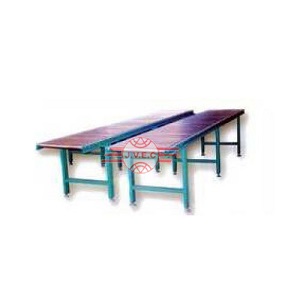
Conveyor Rollers
Conveyor rollers are cylindrical components that are essential for the operation of conveyor systems, which are used to transport materials from one point to another. They support the conveyor belt or directly carry items, facilitating smooth and efficient material handling in various industries.
Types of Conveyor Rollers
Based on Function:
Carry Rollers (Idlers): Support the loaded portion of the conveyor belt, keeping it trough-shaped (for bulk materials) or flat.
Return Rollers: Support the empty return side of the conveyor belt.
Impact Rollers: Located at loading points, they have rubber rings to absorb impact and protect the belt.
Training Rollers: Designed to keep the conveyor belt centered, preventing it from wandering off track.
Wing Rollers: Used at the edges of troughing idlers to help shape the belt.
Snub Rollers: Increase the wrap angle of the belt around pulleys for better traction.
Based on Design/Profile:
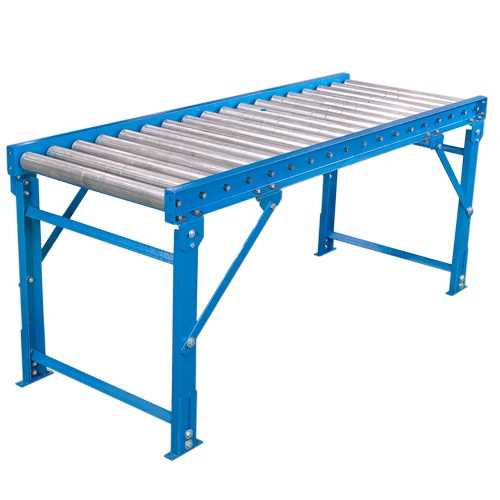
Straight Rollers: General-purpose, versatile, used with or without belts to convey products.
Crowned Rollers: Have a slightly larger diameter in the middle, used to keep thin sheets centered or on conveyor belt ends.
Grooved Rollers: Have grooves for centering workpieces or the conveyor belt itself.
Knurled Rollers: Provide increased friction for gripping workpieces or driving belts.
Based on Drive:
Gravity Rollers: Undriven, materials move by gravity or external push.
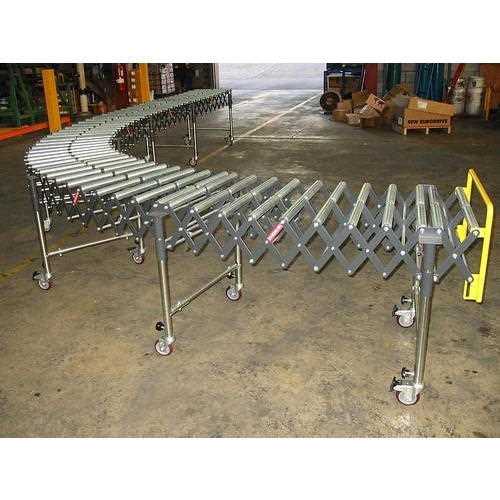
Driven Rollers: Powered by motors, chains, or belts to move materials actively.
Accumulation Rollers: Designed to allow products to accumulate without back pressure.
Applications in Various Industries
Mining & Aggregate: Transporting coal, ore, sand, gravel from excavation sites to processing plants.
Logistics & Warehousing: Moving packages, boxes, and goods in distribution centers, sorting facilities, and airports.
Manufacturing & Assembly: Transporting components and finished products along assembly lines (e.g., automotive, electronics).
Food & Beverage: Conveying raw ingredients, packaged goods, and waste materials (often with hygienic designs).
Agriculture: Moving grains, hay, silage, and other agricultural products.
Heavy Industry: Steel mills, cement plants, power generation (coal handling).
Material Selection Considerations
Roller Shell (Tube):
Shaft:
Bearings:
Lining/Coating (if applicable):
Seals: