
HOTLINE: +91 851-114-2701
3 listings from verified sellers across India

Corrugated & Packaging Paper
"Corrugated & Packaging Paper" refers to materials specifically engineered for protecting, containing, and transporting goods. This primarily includes corrugated board (often called "cardboard") and various types of paper used for wrapping, bags, and general packaging.
Types of Corrugated & Packaging Paper
Corrugated Board:
Single-Face: One linerboard and one fluted medium.
Single-Wall (Double-Face): Two linerboards and one fluted medium (most common).
Double-Wall: Three linerboards and two fluted mediums (for heavier duty).
Triple-Wall: Four linerboards and three fluted mediums (for very heavy loads).
Flute Types: A, B, C, E, F (varying in thickness and strength).
Packaging Paper:
Kraft Paper: Strong, unbleached paper used for bags, wrapping, and as linerboard for corrugated.
Linerboard: The flat outer and inner sheets of corrugated board, typically made from kraft paper or recycled pulp.
Medium Paper (Fluting Paper): The wavy inner layer of corrugated board.
Greaseproof Paper: Treated to resist grease and oil.
Waxed Paper: For moisture resistance.
Glassine Paper: Translucent, smooth, moisture-resistant.
Recycled Paperboard: Used for folding cartons, cereal boxes.
Applications in Various Industries
Shipping & Logistics: Corrugated boxes for primary and secondary packaging of almost all goods.
Food & Beverage: Packaging for produce, processed foods, beverages (e.g., pizza boxes, cereal boxes).
E-commerce: Essential for protecting goods during transit.
Retail: Displays, product packaging.
Manufacturing: Component packaging, protective wraps.
Agriculture: Produce boxes.
Technology:
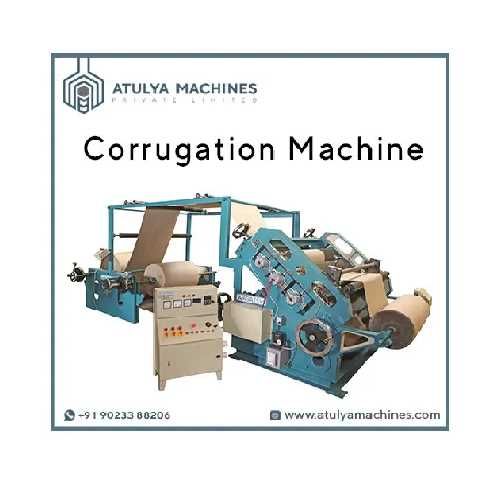
Corrugators: Large machines that combine linerboard and medium to create corrugated board.
Printing Technologies: Flexography, digital printing for branding and information.
Folding & Gluing Machines: Automated systems for box formation.
Water-Based & UV Coatings: For moisture resistance, gloss, or barrier properties.
Die-Cutting: For custom shapes and designs.
Recycling Processes: Advanced de-inking and pulp purification for producing recycled content.
Sustainable Packaging Solutions: Lightweighting, use of recycled content, compostable coatings.
Material Selection Considerations