
HOTLINE: +91 851-114-2701
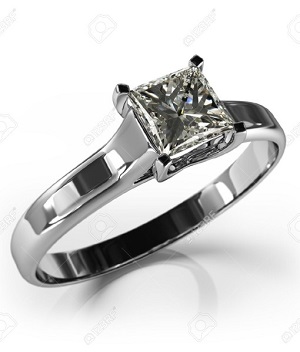
Diamond Rings
A diamond ring is a piece of jewelry that prominently features one or more diamonds as its primary gemstone. While diamonds have industrial applications due to their hardness, diamond rings are primarily valued for their aesthetic appeal, brilliance, and symbolic significance, particularly in engagements and weddings, where they represent enduring love and commitment.
Types of Diamond Rings
Engagement Rings:
Typically feature a prominent center diamond, often with smaller accent diamonds.
Solitaire: Single diamond.
Pavé: Surface covered with small, closely set diamonds.
Halo: Center diamond surrounded by a "halo" of smaller diamonds.
Three-Stone: Represents past, present, and future.
Wedding Bands:
Often accompany engagement rings, can be plain metal or feature a continuous line of diamonds (e.g., eternity bands).
Fashion Rings:
Designed for aesthetic appeal and may feature diamonds in various settings and sizes, not necessarily for symbolic purposes.
Cocktail Rings:
Large, often elaborate rings with significant diamond presence, worn for special occasions.
Men's Rings:
Often bolder designs, sometimes with diamonds set flush or in channels.
Applications in Various Industries
Jewelry Industry: The primary application is in fine jewelry, for personal adornment, gifts, and symbolic occasions.
Luxury Goods Market: Diamond rings are a significant segment of the luxury market, appealing to consumers seeking high-value and prestigious items.
Investment: While not always the primary purpose, high-quality, rare diamonds can appreciate in value.
Material Selection Considerations
Diamonds
Natural Diamonds: Formed deep within the Earth over billions of years. Valued for rarity and origin.
Lab-Grown Diamonds (Synthetic Diamonds): Created in a lab environment. Environmentally conscious and often more affordable.
The 4 Cs (Carat, Cut, Color, Clarity): Crucial factors in determining a diamond's quality and value.
Precious Metals (for the band and setting):
Gold (Yellow, White, Rose)
Yellow Gold: Traditional, alloyed with silver and copper. Common purities are 14K (58.3% gold) and 18K (75% gold).
White Gold: Alloyed with white metals like palladium or nickel, often rhodium-plated for a brighter white finish.
Rose Gold: Alloyed with copper for its reddish hue.
Platinum: A naturally white, dense, and extremely durable metal. Hypoallergenic and resists tarnishing.
Palladium: A lighter, naturally white platinum-group metal, sometimes used as an alternative to platinum.
Sterling Silver: While used for fashion jewelry, it's rarely used for diamond engagement or high-value rings due to its softness and tendency to tarnish.
Other Gemstones: Sometimes used as accent stones alongside diamonds, such as sapphires, rubies, or emeralds.
Adhesives (rarely for primary setting): In some costume jewelry, very small diamonds might be glued, but for fine jewelry, they are always set securely.