HOTLINE: +91 851-114-2701
8 listings from verified sellers across India
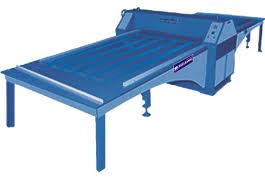
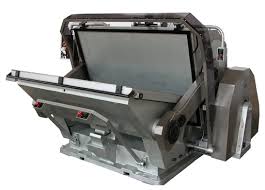
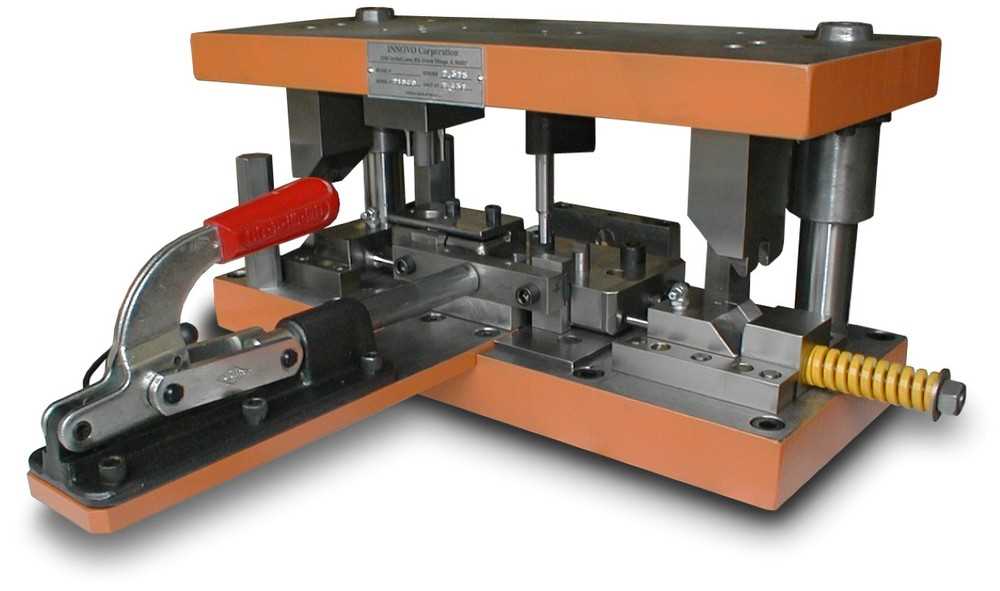


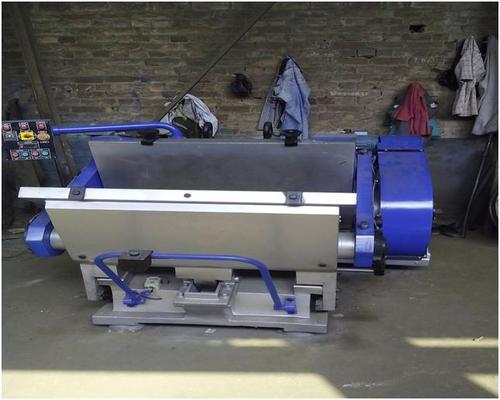
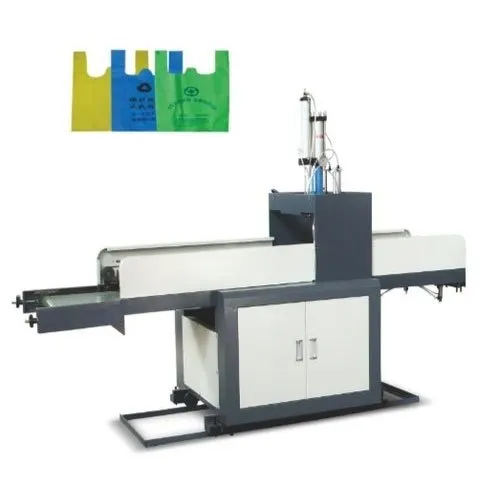
Die Punching Machine
A die punching machine, also known as a die-cutting machine, is a specialized industrial apparatus used to cut, crease, perforate, wrinkle, or emboss various sheet materials using a custom-made "die" or "punch." It precisely and efficiently creates uniform shapes and designs from flat stock, making it indispensable in industries requiring high-volume production of intricate or identical pieces.
Types of Die Punching Machine
Manual Die Punching Machines (Platen Presses): Simple hand-operated or foot-pedal machines, often used for small-scale, low-volume production or craft applications.
Semi-Automatic Die Punching Machines: Require manual feeding and removal of material, but the cutting/punching action is automated (e.g., using hydraulic or mechanical force).
Automatic Die Punching Machines (Flatbed Die Cutters): Highly automated, with automatic sheet feeding, cutting, stripping, and stacking. Designed for high-volume, continuous production.
Rotary Die Punching Machines: Utilize rotating cylindrical dies and rollers for continuous, high-speed cutting. Ideal for web-fed materials (e.g., labels, flexible packaging).
Clamshell Die Punching Machines: A common flatbed design where the cutting platen opens and closes like a clamshell.
Platen (Cylinder) Die Punching Machines: Uses a flat platen and a rotating cylinder for cutting.
Applications in Various Industries
Packaging Industry: Producing cartons, boxes, trays, blister packs, and custom packaging from paperboard, corrugated board, and plastics.
Label Manufacturing: Cutting intricate shapes for labels, stickers, and decals.
Printing Industry: Finishing printed materials, creating promotional items, brochures with unique cuts.
Automotive Industry: Cutting gaskets, interior trim, insulation, and specialized components.
Textile & Leather Industry: Cutting patterns for clothing, shoes, bags, and upholstery.
Electronics Industry: Die-cutting insulation, membranes, flex circuits, and shielding materials.
Gasket Manufacturing: Precision cutting of various materials (rubber, cork, composites) into gaskets.
Medical Industry: Die-cutting medical adhesives, bandages, and device components.
Craft & Hobby: Personal die-cutting machines for paper crafts, scrapbooking, and fabric.
Material Selection Considerations