
HOTLINE: +91 851-114-2701
13 listings from verified sellers across India
.png)

 Premium
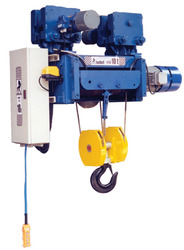
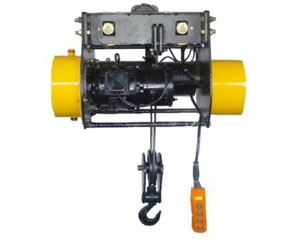
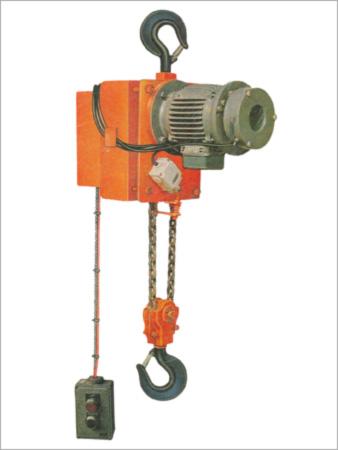
Electric Hoists
An electric hoist is a motorized lifting device that uses an electric motor to lift and lower heavy loads with minimal human effort. It typically consists of a motor, a gearbox, a lifting medium (chain or wire rope), a hook, and a control system. Electric hoists are essential tools in industries requiring efficient, safe, and precise material handling, dramatically improving productivity and reducing the risk of workplace injuries associated with manual lifting.
Types of Electric Hoist
By Lifting Medium:
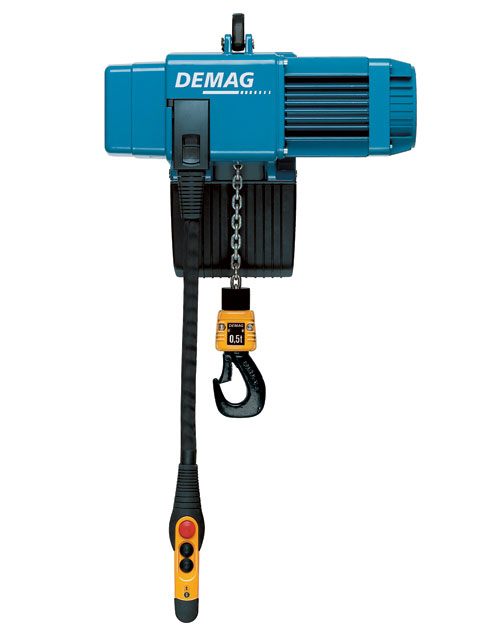
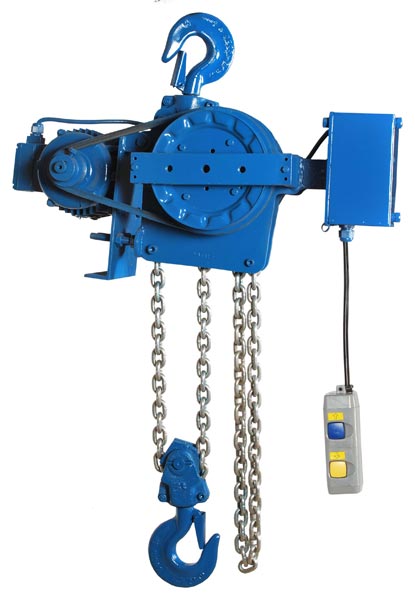
Electric Chain Hoists: Use a robust metal chain as the lifting medium. Ideal for lighter to medium loads (typically up to 5 tons, though higher capacities exist) and applications where headroom is limited or the hoist needs to handle awkward lifts.
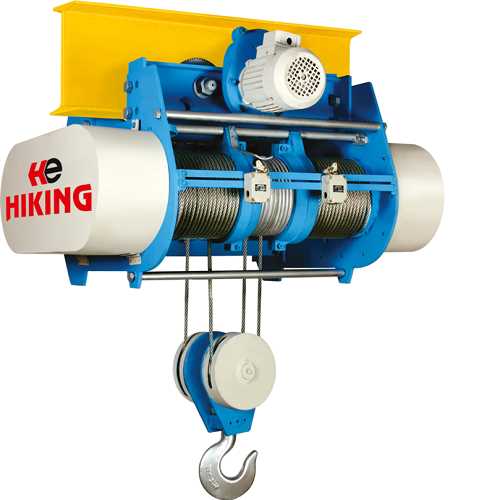
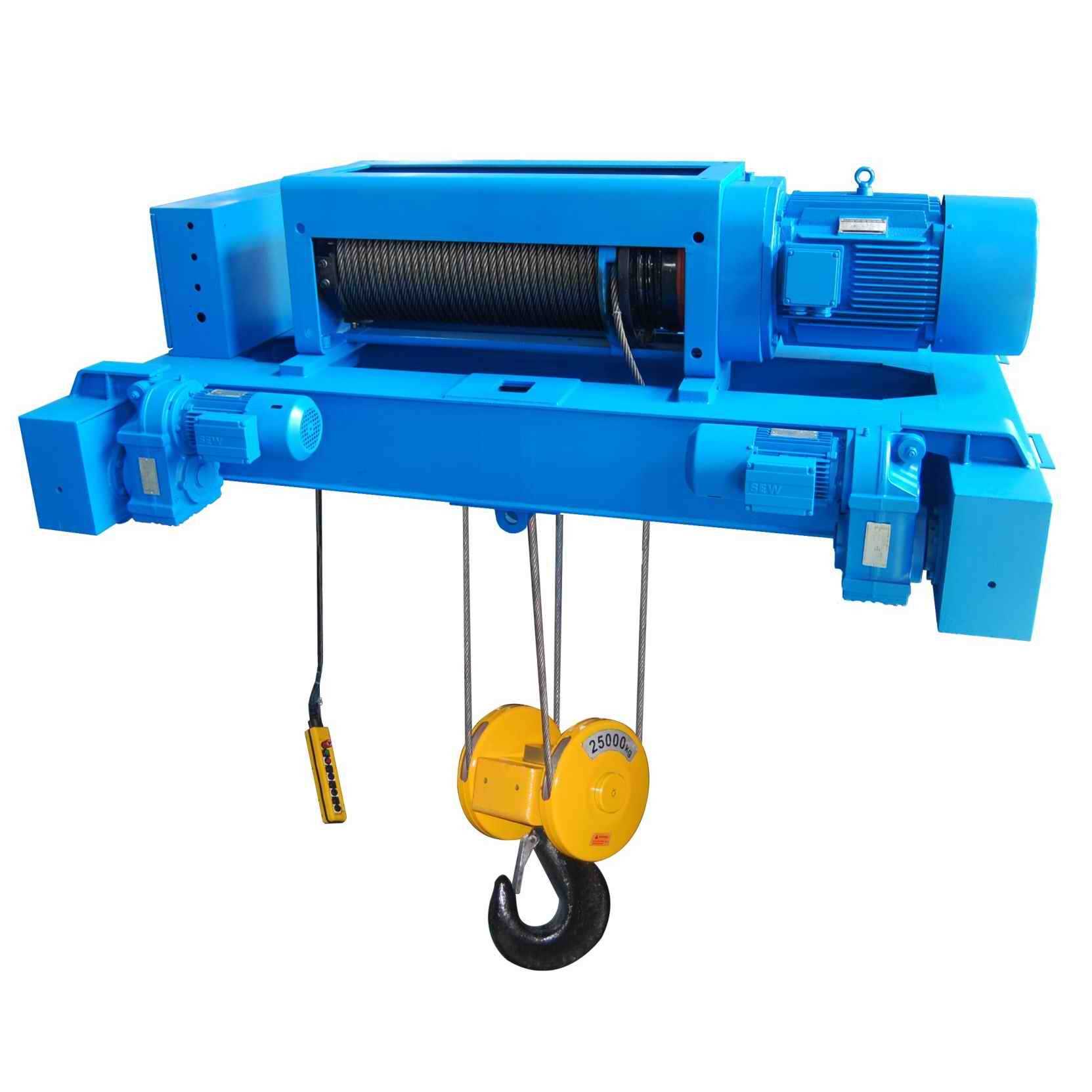
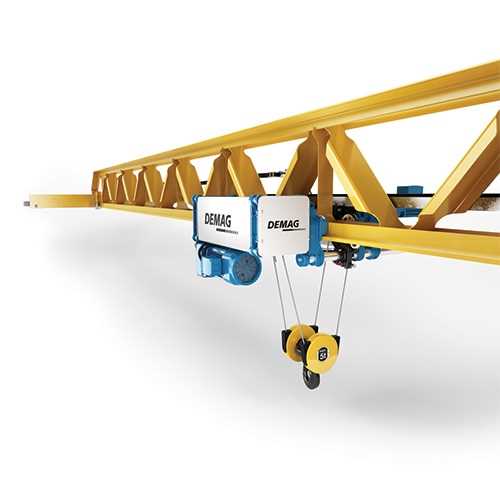
Electric Wire Rope Hoists: Use a strong steel wire rope wound around a drum. Suitable for heavier loads (typically 1 ton to 100+ tons), longer lifting heights, and smoother, more precise lifting operations, often used in overhead crane systems.
By Power Supply:
Single-Phase Electric Hoists: For lighter duty applications where only single-phase power is available.
Three-Phase Electric Hoists: More common for industrial and heavy-duty applications, offering higher power and efficiency.
By Mounting/Trolley Type:
Hook Mounted Hoists: Designed to be hung from a fixed point or a simple trolley.
Push/Pull Trolley Hoists: Manually pushed or pulled along a beam.
Geared Trolley Hoists: Manually moved along a beam using a hand chain and gearing.
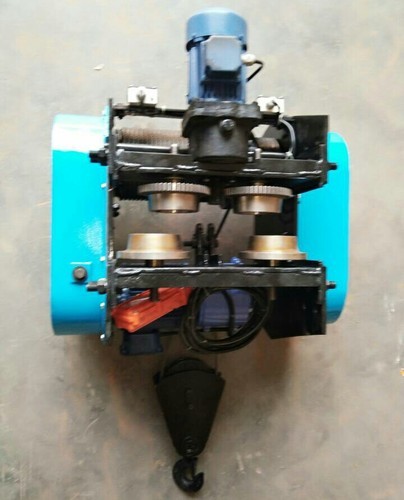
Motorized Trolley Hoists: Integrated with an electric motor to move the hoist along an I-beam or monorail, allowing for horizontal as well as vertical movement.
Low Headroom Hoists: Designed to minimize the distance from the beam to the hook, maximizing lifting height in spaces with limited overhead clearance.
Applications in Various Industries:
Manufacturing: Lifting heavy machinery, raw materials, components, and finished products on assembly lines and in workshops (e.g., automotive, aerospace, heavy equipment).
Warehousing & Logistics: Loading and unloading goods, stacking pallets, handling heavy packages in distribution centers.
Construction: Lifting building materials, tools, and structural components.
Automotive Industry: Used in garages for engine removal, bodywork, and assembly.
Shipbuilding & Ports: Handling large and heavy ship components, cargo.
Maintenance & Repair: Lifting equipment for maintenance in various industrial settings.
Theater & Entertainment: Lifting stage sets, lighting rigs.
Technology:
Electric Motor: The powerhouse, typically an induction motor (AC) or DC motor, driving the lifting mechanism. Often designed for high starting torque and continuous duty.
Gearbox (Reducer): Converts the motor's high-speed, low-torque output into the lower speed and higher torque required for lifting heavy loads.
Brake System: Automatic electromagnetic brake engages when the motor is de-energized or power fails, securely holding the load.
Lifting Medium (Chain/Wire Rope):
Load Chain: High-strength, calibrated alloy steel chain (e.g., G80, G100).
Wire Rope: Multi-strand steel wire rope, designed for high tensile strength.
Control Pendant: Push-button control unit (wired or wireless) for operating lift/lower, traverse (if applicable).
Limit Switches: Safety devices that automatically stop the hoist at its maximum and minimum lifting heights to prevent over-travel.
Overload Protection: Sensors or clutches that prevent the hoist from lifting loads exceeding its rated capacity.
Variable Frequency Drives (VFDs): On more advanced hoists, VFDs provide precise speed control (soft start/stop), reduced load swing, and energy savings.
Thermal Overload Protection: For the motor, to prevent damage from overheating.
Material Selection Considerations: