
HOTLINE: +91 851-114-2701
3 listings from verified sellers across India

Fabricator
"Fabricator" generally refers to a company or individual that fabricates, meaning they construct products by combining standard components made from raw or semi-finished materials, rather than casting or molding them. This often involves processes like cutting, bending, assembling (welding, bolting, riveting), and finishing of metals or other materials.
Types of Fabricator
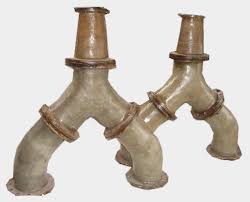
Custom Metalwork: Architectural elements (railings, staircases), structural steel components (beams, columns), pressure vessels, tanks, piping systems, machine frames, specialized enclosures.
Sheet Metal Products: Ducts, panels, chassis, enclosures for electronics, custom furniture parts.
Prototypes: One-off or small-batch custom parts for new product development.
Industrial Components: Parts for manufacturing machinery, conveyor systems, jigs, and fixtures.
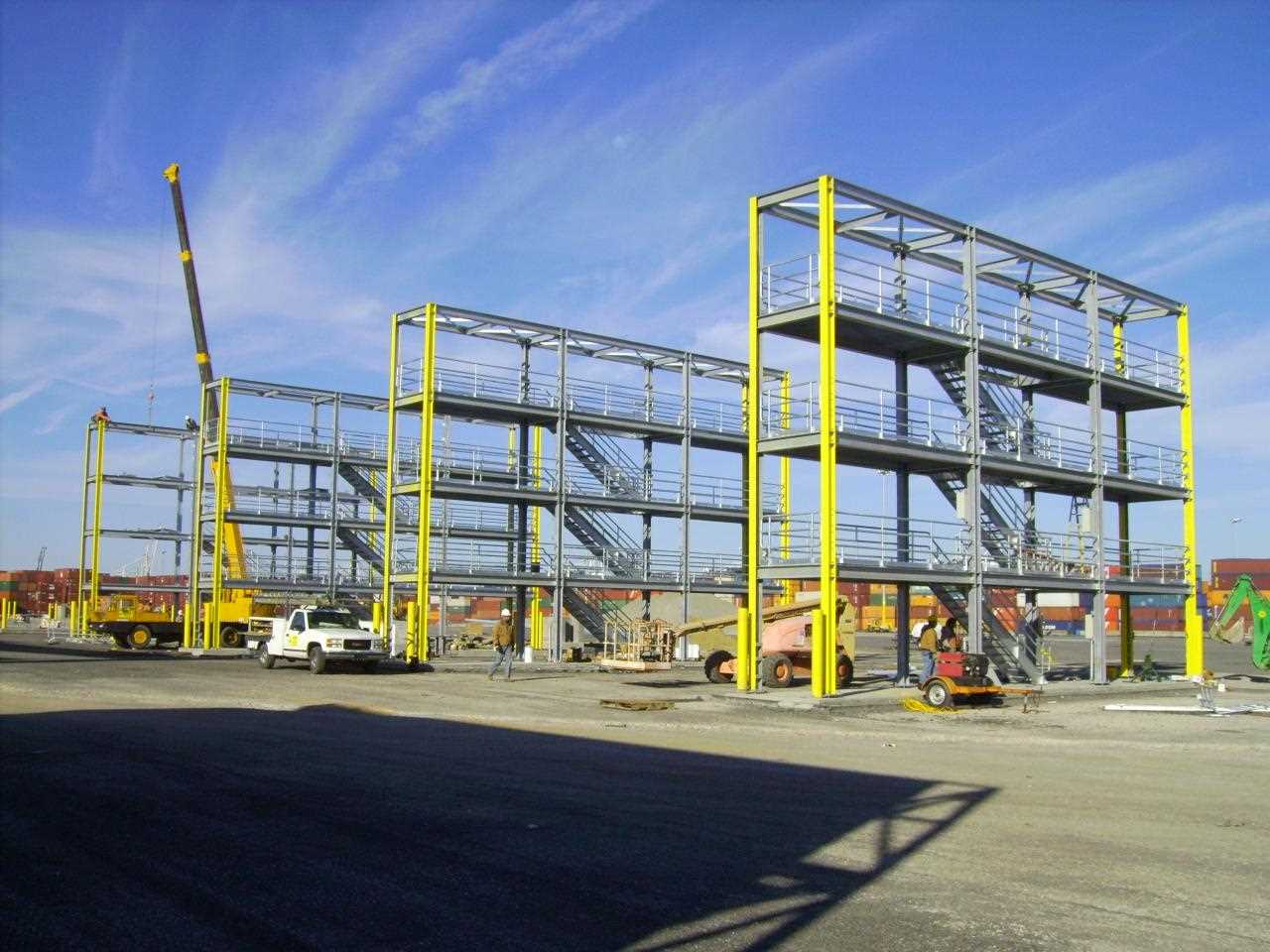
Structural Fabrications: Steel structures for buildings, bridges, mezzanines.
Applications in Various Industries
Applications:
Construction (structural steel, architectural metalwork), manufacturing (machine building, component supply), automotive (chassis, exhaust systems), aerospace, marine, energy (oil & gas, power plants), food processing, defense, artistic installations.
Technology (Processes & Equipment Used by Fabricators):
Cutting: Laser cutting, plasma cutting, waterjet cutting, oxy-fuel cutting, shearing, sawing.
Forming/Bending: Press brakes, rolling machines, tube bending machines, hydraulic presses.
Joining: Various welding processes (MIG, TIG, Stick, Robotic Welding), bolting, riveting, brazing, soldering.
Machining: CNC milling, turning, drilling for precision components.
Surface Preparation & Finishing: Grinding, polishing, sandblasting, painting, powder coating, galvanizing.
Design & Engineering: CAD (Computer-Aided Design) for drafting, CAM (Computer-Aided Manufacturing) for machine programming, FEA (Finite Element Analysis) for structural integrity.
Automation: Robotic welding cells, automated material handling, integrated manufacturing systems.
Material Selection Considerations
Metals: