
HOTLINE: +91 851-114-2701
7 listings from verified sellers across India
.webp)
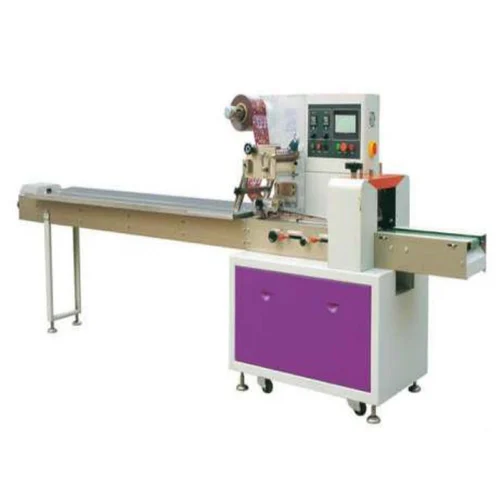
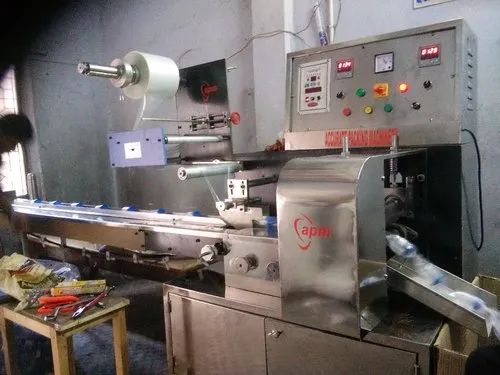
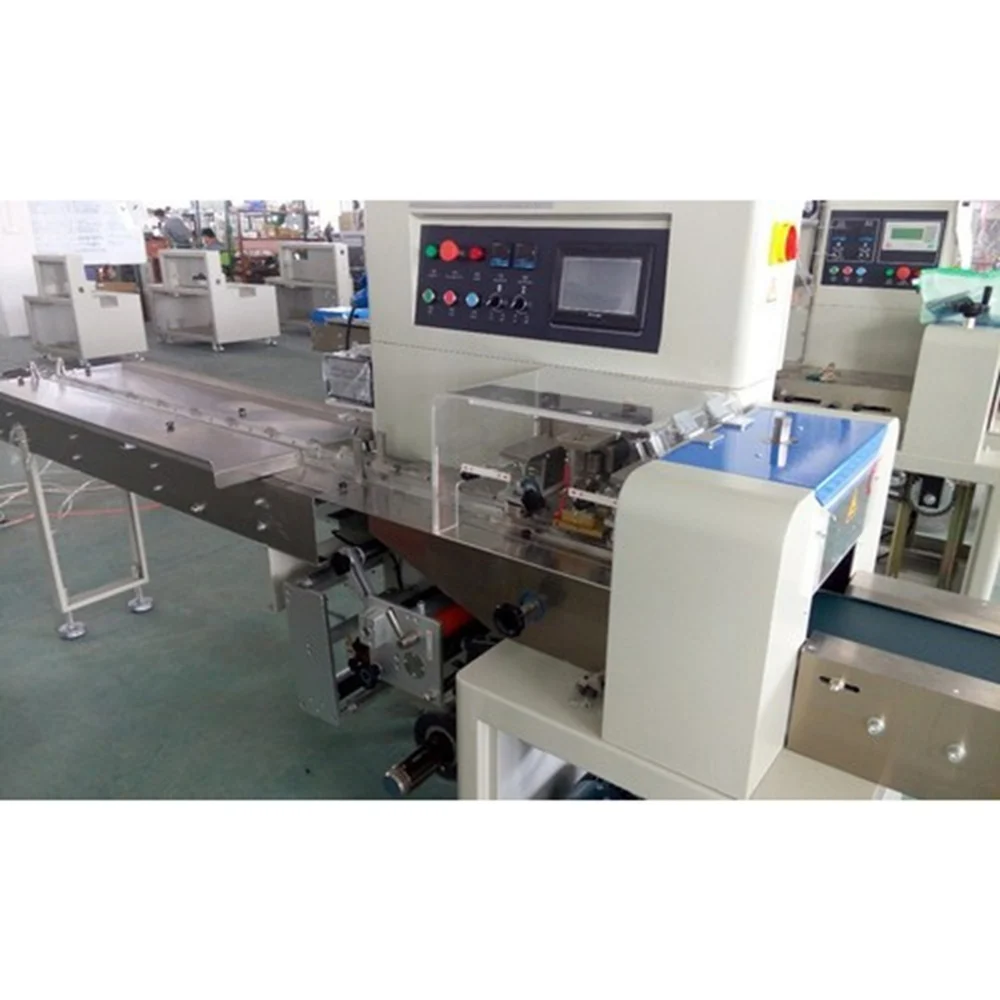
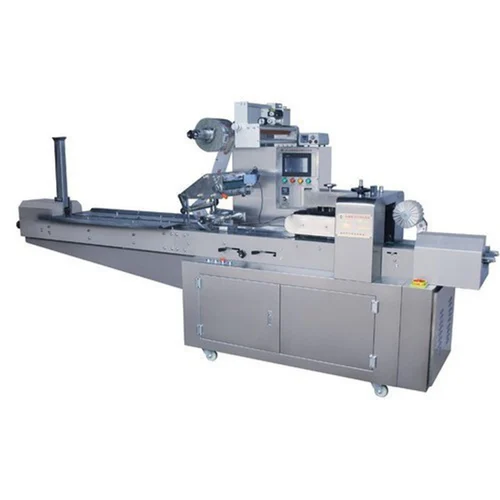
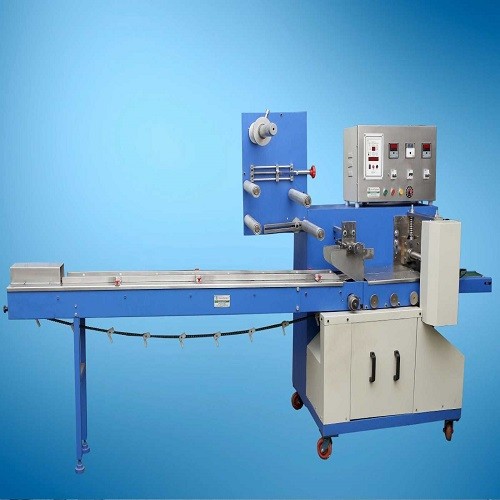
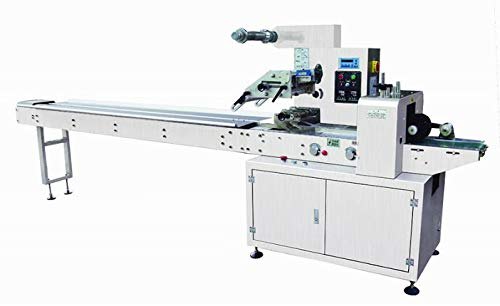
Flow Wrap Machine
A flow wrap machine (also called a flow pack or horizontal flow wrapper) is a high-speed packaging machine that automatically wraps individual products (or groups) in flexible film to form sealed “pillow” packs. The product is placed on a continuous film strip, which is folded around it and sealed on the ends and along the back. As one packaging guide describes, “these machines are a game-changer… They use a continuous motion to wrap products in a seamless, tamper-evident package”.
Types of Flow Wrap Machine
Horizontal Flow Wrap Machine: The most common type, where the product is fed horizontally into the machine. The film is wrapped around the product and sealed on both sides. This type is ideal for small to medium-sized products.
Vertical Flow Wrap Machine: Unlike the horizontal type, the vertical flow wrap machine feeds the product vertically into the wrapping area. This machine is often used for packaging taller products and is suitable for items that require an upright position during packaging.
Shrink Wrap Flow Machines: Specialized machines that use heat-sensitive film to tightly wrap items like food trays and boxes.
Modified Atmosphere Packaging (MAP) Flow Wrap Machines: These maintain freshness by altering the atmosphere inside the packaging, commonly used in food industries.
High-Speed Flow Wrap Machine: Designed for high-volume production, these machines are capable of wrapping products at a very high speed without compromising the quality of the seal or the packaging appearance.
Multi-Lane Flow Wrap Machine: This type wraps multiple products simultaneously, which increases productivity and is typically used for smaller or identical-sized items. It’s common in the food industry for items like cookies or bars.
Automated Flow Wrap Machine: Fully integrated into automated production lines, these machines automatically feed products, wrap, seal, and sometimes print product information. They are commonly used in industries with high demand for automation.
Applications in Various Industries
Food & Beverage – Used for wrapping baked goods, candy, fresh produce, and dairy products.
Pharmaceuticals – Ideal for packaging medicines, medical kits, and sterilized products.
Consumer Goods – Commonly applied in wrapping soaps, batteries, and stationery items.
Industrial Products – Used for wrapping automotive components, hardware tools, and electrical items.
E-Commerce & Retail – Ensures protective packaging for online-shipped products
Material Selection Considerations