
HOTLINE: +91 851-114-2701
4 listings from verified sellers across India
Geared Motors
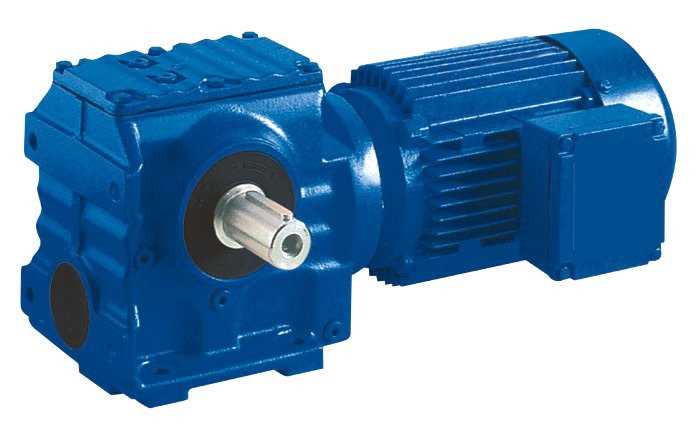
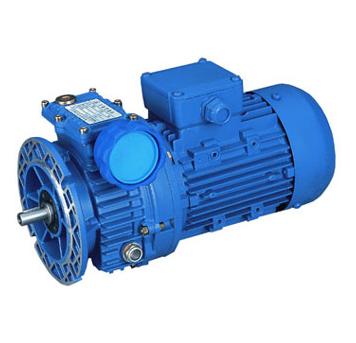
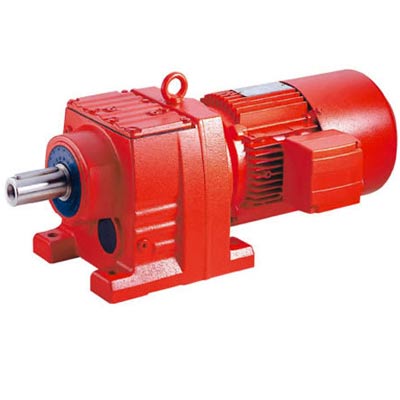
A geared motor, also known as a gearmotor or gear reducer motor, is a complete, integrated unit consisting of an electric motor and a gearbox. This combination is designed to deliver high torque at relatively low speeds, which is often required for various industrial applications. By coupling a motor with a gearbox, the motor can operate at its optimal high speed while the output shaft achieves the desired lower speed and higher torque, optimizing efficiency and performance.
Types of Geared Motors
By Motor Type:
AC Geared Motors: Most common, including induction motors (single-phase or three-phase).
DC Geared Motors: Used in applications requiring variable speed control, battery operation, or high starting torque (e.g., permanent magnet DC motors, brushed DC, brushless DC).
Servo Geared Motors: High-precision motors combined with low-backlash gearboxes for precise motion control, often in robotics and automation.
Stepper Geared Motors: Used for precise positioning applications, typically with smaller gearboxes for increased torque resolution.
By Gearbox Type (as discussed under "Gearbox"):
Helical Geared Motors: Offer high efficiency and quiet operation.
Worm Geared Motors: Provide high reduction ratios in a compact, right-angle configuration, often with self-locking capabilities.
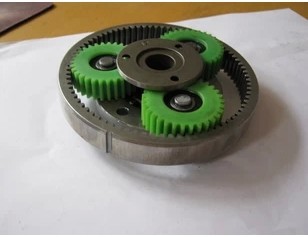
Planetary Geared Motors: Extremely compact with high torque density and efficiency, ideal for precision applications.
Bevel Geared Motors: For right-angle power transmission.
Spur Geared Motors: Simpler, more cost-effective for lower precision needs.
Applications in Various Industries:
Material Handling: Conveyor belts, hoists, cranes, automated storage and retrieval systems.
Packaging Machinery: Filling, sealing, labeling, cartoning machines.
Food & Beverage: Mixers, agitators, food processing equipment, bottling lines.
Automation & Robotics: Actuators, robotic joints, pick-and-place machines.
Textile Industry: Weaving machines, dyeing machines.
Water Treatment: Pumps, agitators in wastewater treatment plants.
Agriculture: Farm machinery, irrigation systems, feed processing.
Technology:
Integrated Design: Seamless integration of motor and gearbox for optimal performance, compact size, and simplified mounting.
High Efficiency Gearing: Advanced gear geometries and precision manufacturing to minimize energy loss.
Modular Systems: Many manufacturers offer modular systems where different gearboxes can be easily combined with various motors.
Advanced Lubrication: High-performance lubricants and sealed gearboxes to ensure long life and minimal maintenance.
Variable Frequency Drives (VFDs): Often paired with AC geared motors for precise speed control and energy saving.
Brakes: Integrated electromagnetic brakes are common for holding loads or quick stopping.
Sensors: Encoders for position feedback (especially in servo and stepper geared motors), temperature sensors for monitoring.
IP Ratings: Designed for specific environmental conditions (e.g., dust, moisture resistance).
Material Selection Considerations: