
HOTLINE: +91 851-114-2701
3 listings from verified sellers across India


Industrial Chemicals
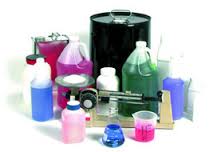
Industrial chemicals are chemical substances manufactured and used in various industries for a vast array of purposes, ranging from raw materials in manufacturing processes to cleaning agents, solvents, and catalysts. Unlike consumer chemicals, their primary application is typically in large-scale industrial settings rather than direct household use. They are fundamental building blocks for nearly every manufactured product and process in the modern world.
Types of Industrial Chemicals
Basic Chemicals (Commodity Chemicals): Produced in large quantities and form the foundation for many other chemicals.
Inorganic Chemicals: Acids (Sulfuric Acid, Hydrochloric Acid, Nitric Acid), Bases (Sodium Hydroxide/Caustic Soda, Ammonia), Salts (Sodium Chloride, Sodium Carbonate), Chlor-alkali products (Chlorine, Caustic Soda).
Organic Chemicals: Methanol, Ethylene, Propylene, Benzene, Toluene, Xylene.
Specialty Chemicals: Produced in smaller volumes with specific functionalities for niche applications. Examples include adhesives, coatings, lubricants, catalysts, electronic chemicals, construction chemicals, flavors, fragrances, water treatment chemicals, and fire retardants.
Polymers & Plastics: Raw materials (monomers) used to produce plastics like Polyethylene (PE), Polypropylene (PP), PVC, PET, Polyurethane (PU), and their various additives.
Agrochemicals: Fertilizers, pesticides, herbicides.
Pharmaceutical Ingredients: Active Pharmaceutical Ingredients (APIs) and excipients.
Petrochemicals: Chemicals derived from petroleum and natural gas.
Solvents: Acetone, Isopropyl Alcohol, Toluene, etc.
Cleaners & Disinfectants: Industrial-grade cleaning agents, sanitizers.
Applications in Various Industries:
Manufacturing: Used as raw materials, reactants, solvents, catalysts, or processing aids in the production of plastics, textiles, paper, paints, coatings, electronics, automotive components, and construction materials.
Agriculture: Fertilizers to enhance crop yield, pesticides to protect crops, and animal health products.
Pharmaceuticals: Synthesis of drugs, production of excipients, and as reagents in research.
Food & Beverage: Food additives, preservatives, processing aids, cleaning and sanitation chemicals.
Water Treatment: Coagulants, flocculants, disinfectants (chlorine, ozone), pH adjusters for potable water and wastewater.
Energy: Fuels, lubricants, chemicals for oil and gas extraction, chemicals for renewable energy production.
Mining: Flotation agents, acids for ore processing.
Pulp & Paper: Bleaching agents, sizing agents, defoamers.
Textiles: Dyes, bleaches, finishing agents.
Technology:
Catalysis: Development of highly efficient catalysts for chemical reactions, improving yield and reducing energy consumption.
Process Optimization: Advanced process control systems (DCS, SCADA), real-time analytics, and modeling to optimize chemical reactions and production.
Green Chemistry: Developing environmentally friendly chemical processes and products, reducing hazardous waste and energy use.
Nanotechnology: Creating chemicals with enhanced properties at the nanoscale for new materials and applications.
Biotechnology: Using biological processes (fermentation, enzymes) to produce chemicals, often more sustainably.
Separation Technologies: Advanced distillation, membrane filtration, chromatography for purification and separation.
Safety & Environmental Management: Rigorous safety protocols, risk assessment, and waste treatment technologies to minimize environmental impact and ensure worker safety.
Supply Chain Management: Sophisticated logistics and supply chain systems for handling hazardous materials safely and efficiently.
Material Selection Considerations