HOTLINE: +91 851-114-2701
12 listings from verified sellers across India


.jpg)
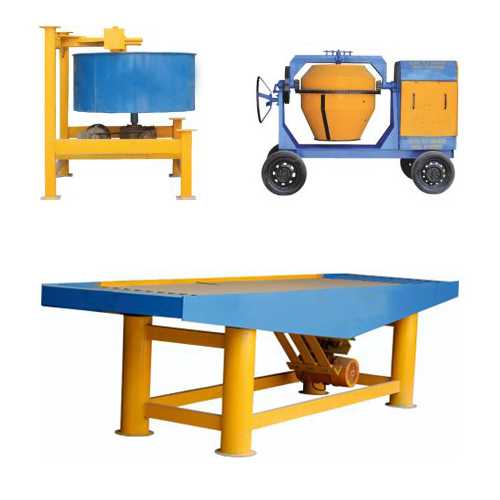
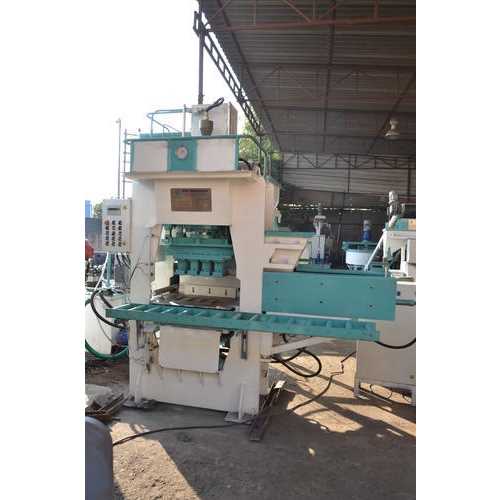
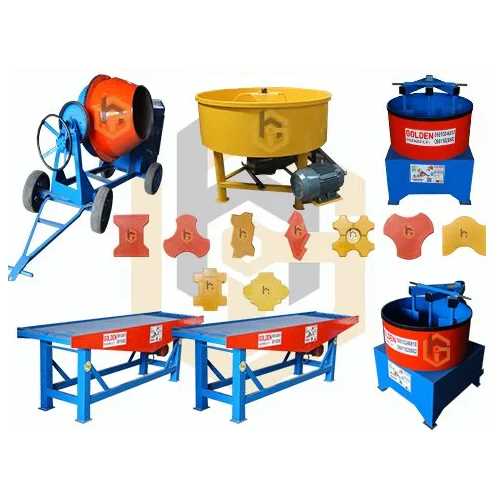
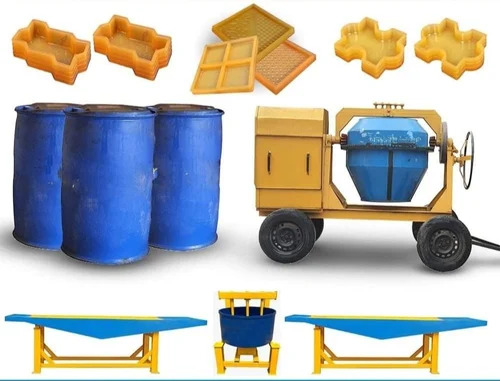
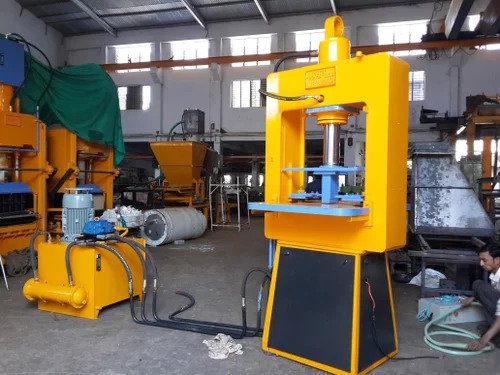
Interlocking Block Making Machine
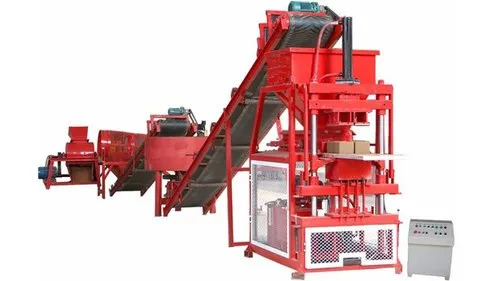
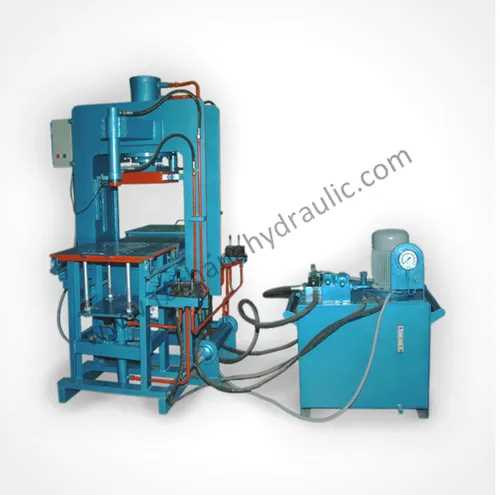
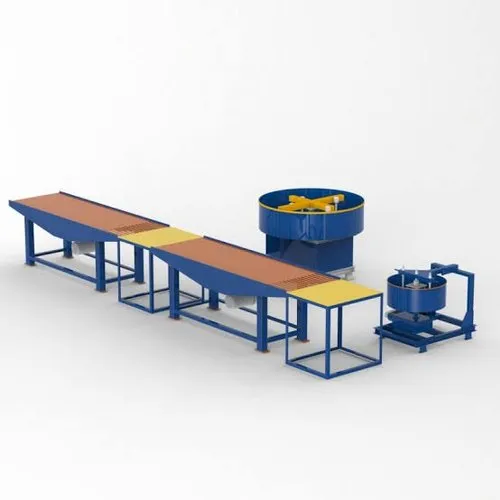
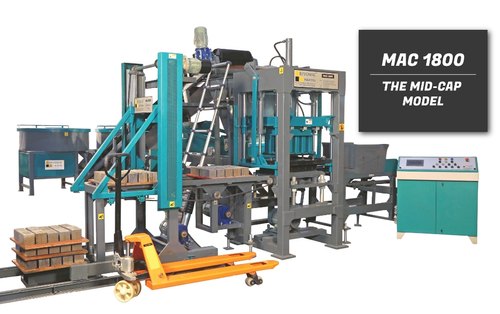
An interlocking block making machine is a specialized piece of equipment designed to produce interlocking bricks or blocks that fit together without the need for traditional mortar. These machines facilitate faster, more cost-effective, and often more environmentally friendly construction, offering enhanced structural integrity and aesthetic appeal.
Types of Interlocking Block Making Machine
Manual/Hand-Operated Machines: Simple, often lever-operated machines for small-scale production, suitable for community projects or very low volume output.
Semi-Automatic Machines: Incorporate some automated features (e.g., hydraulic +compaction), but still require manual feeding of raw materials and block removal.
Automatic Machines: Highly automated systems that handle material mixing, feeding, compaction, and block ejection with minimal human intervention, designed for high-volume commercial production.
Mobile Machines: Smaller, portable units that can be moved to different construction sites.
Stationary Machines: Fixed installations for larger-scale production plants.
Application in Various Industries
Construction Industry:
Building Walls: Residential homes, commercial buildings, schools, community centers, boundary walls, partition walls.
Pavements & Walkways: Interlocking pavers for driveways, sidewalks, public spaces.
Retaining Walls: Used in landscaping and infrastructure.
Low-Cost Housing Initiatives: Especially popular in developing countries due to reduced labor and material costs.
DIY Projects: Smaller machines can be used for home landscaping or construction.
Material Selection Considerations