
HOTLINE: +91 851-114-2701
21 listings from verified sellers across India
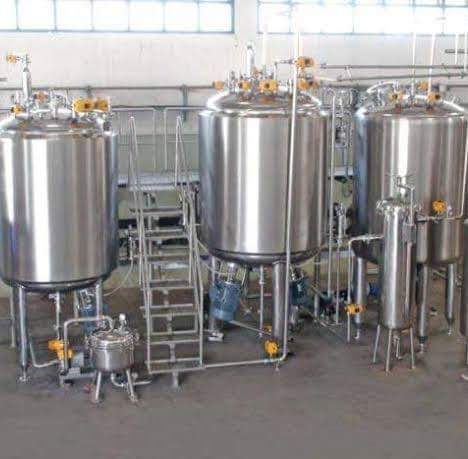
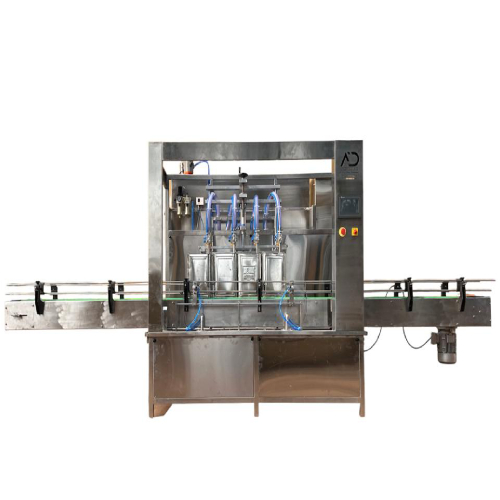
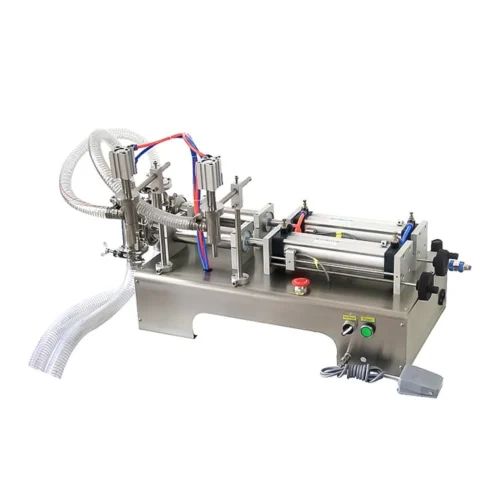
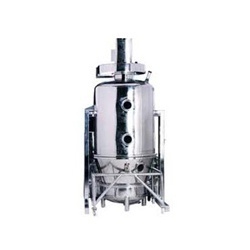
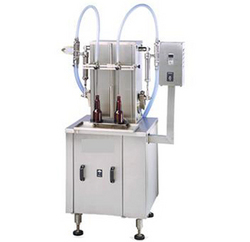
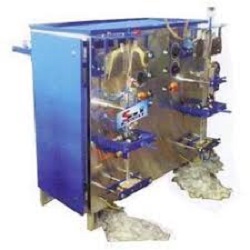
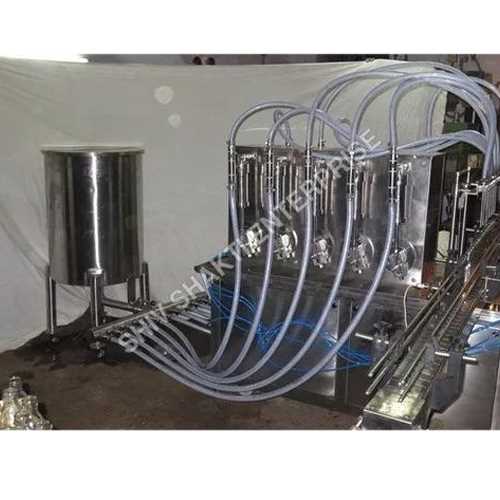

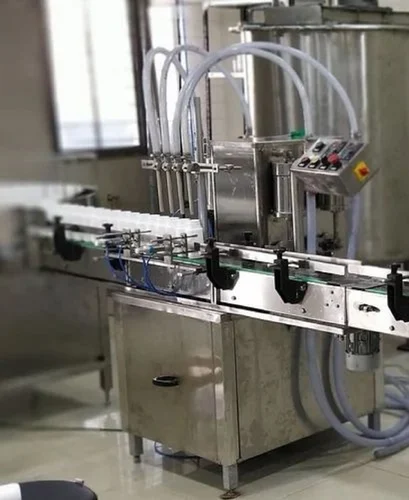
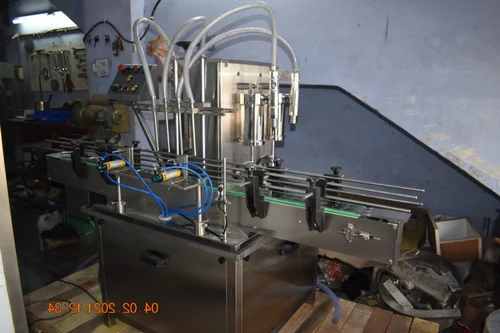
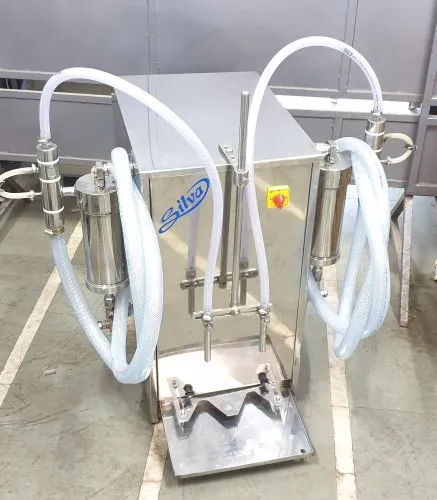
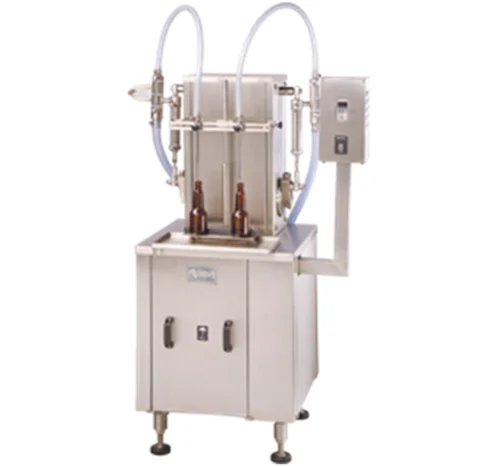

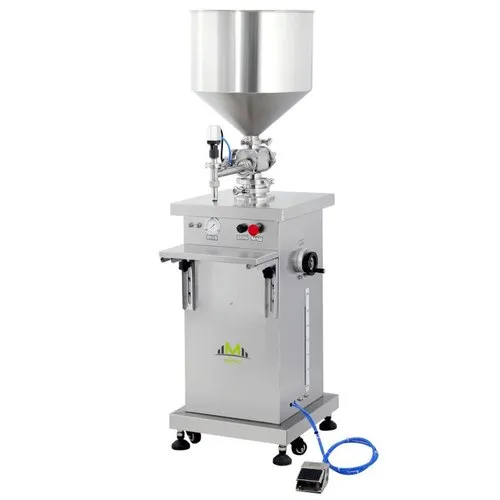
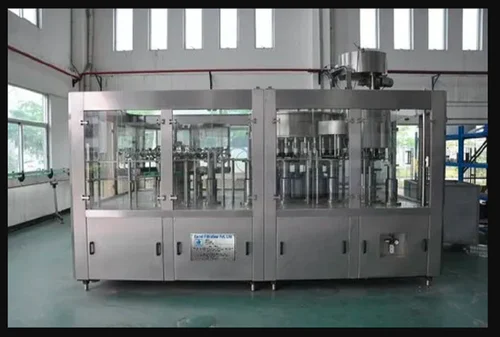
Liquid Filling Machine
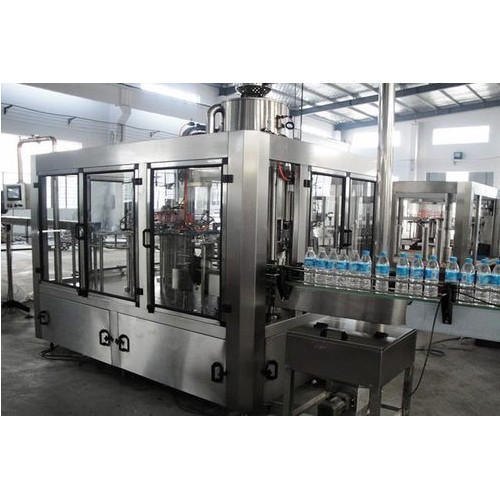
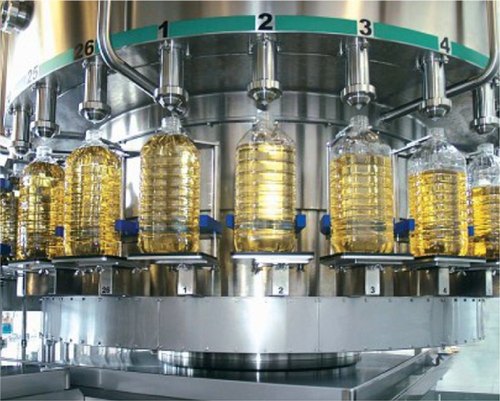
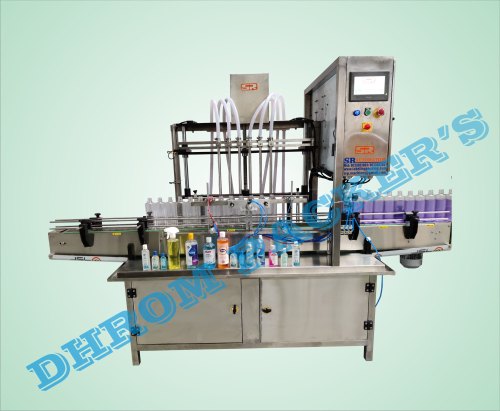
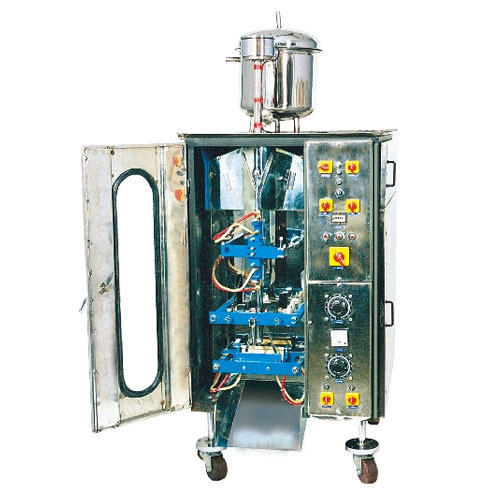
A liquid filling machine is equipment that dispenses precise volumes of liquid into containers (bottles, jars, vials) as part of a packaging line. Depending on the type, it may use gravity, piston pumps, or pressure to fill. These machines automate the filling process for everything from beverages to oils and pharmaceuticals. Proper filling is critical for efficiency and regulatory compliance. As one packaging specialist notes, “efficient filling of liquid products is required to maintain a complete liquid packaging system”.
Type of Liquid Filling Machine
Liquid fillers are distinguished by the filling mechanism:
Gravity Fillers: Tanks are pressurized or elevated so liquid flows into containers by gravity. Suitable for low-viscosity fluids (water, juices).
Pressure/Vacuum Fillers: For carbonated or foamy liquids (beer, soda, milk), a pressure tank or vacuum sealing in the bottle is used to prevent foaming.
Pump Fillers: Rotary or piston pump fillers for thicker liquids (sauces, oils, syrups). Pump dosing allows filling from very thin up to very viscous liquids (e.g. honey, shampoo).
Overflow Fillers: Maintain a constant liquid level; excess spills into recirculation. Used for precise fill heights (thin liquids like water).
Piston Fillers: Positive-displacement pistons draw a fixed volume and inject it into the container; accurate for a wide range of viscosities.
Cylinder/Diaphragm Fillers: Volumetric dosing by plungers or diaphragms; common for high-viscosity or delicate products.
Applications in Various Industries
These machines are essential in any liquid packaging line:
Food & Beverage: Water, soft drinks, juices, oils, sauces, dairy (milk/yogurt), dressings.
Pharmaceuticals: Dispensing medicines, syrups, vaccines into vials or bottles with high accuracy.
Cosmetics and Personal Care: Filling shampoos, lotions, creams, fragrances.
Chemicals and Cleaning Products: Laundry detergents, solvents, lubricants, and industrial chemicals.
Agricultural: Pesticides, fertilizers, and animal health products.
Material Selection Considerations