Magnetic Destoner Manufacturers, Suppliers and Exporters

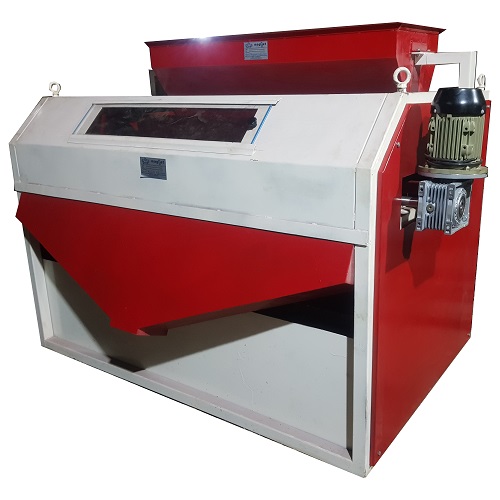
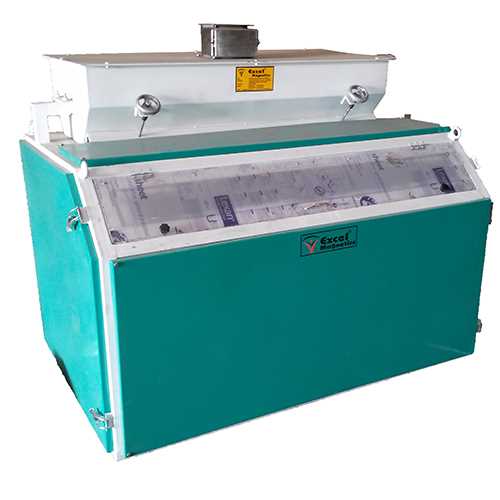
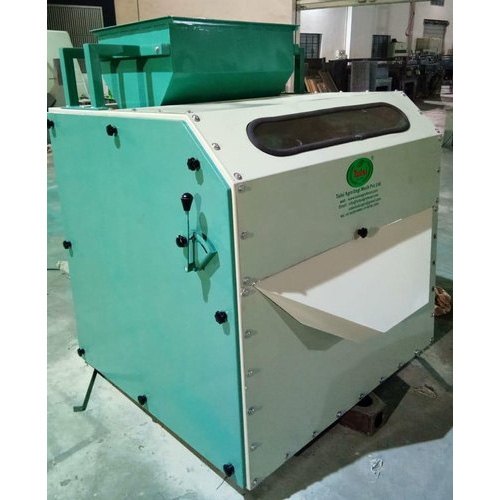
A magnetic destoner (sometimes called a magnetic stone remover, magnetic separator or destoner machine) is a specialized material-handling and cleaning device used in grain, pulse and seed processing to remove magnetic contaminants, stones, mud balls and other heavy impurities from bulk solids. The machine combines mechanical separation (vibration, air and gravity) with magnetic elements (permanent magnets or high-intensity magnetic rollers) to capture ferrous fragments and help separate dense non-metallic particles (stones, clods) from lighter kernels. Its core purpose is to protect downstream equipment (mills, grinders, sorters), improve product quality and meet food-safety / export standards by reducing foreign matter content.

Historically, destoning evolved from purely gravity/vacuum destoners to machines that integrate magnetics — driven by demands in large-scale milling, edible oil, rice, pulse and seed processing industries for higher throughput and fewer foreign-body rejections. Modern machines use a mix of roller, drum or plate magnetic elements (including rare-earth magnets) and are offered in manual, semi-automatic and fully automatic configurations depending on throughput and application.

Core functions & purpose

  • Ferrous removal: Capture nails, wire, rusted fragments and other iron contaminants using magnetic rollers/plates.
  • Stone and heavy impurity separation: Use vibration, differential specific gravity and suction/vacuum channels to separate stones, mud balls, glass and dense inert material.
  • Pre-processing protection: Prevent damage to grinders, sifters and packaging lines and reduce maintenance costs.
  • Quality & compliance: Lower foreign-matter counts to meet regulatory and buyer specifications for food and seed exports.
    These combined functions reduce product loss and rework while increasing safety and line uptime.

Product types & typical specifications

Magnetic destoners are built in several designs and capacity classes to suit different processing environments:

1. Roller / Drum Magnetic Destoners

  • Use rotating magnetic rollers (sometimes NdFeB rare-earth magnets) that attract ferrous particles while material flows over the roller. Commonly used where continuous ferrous removal is required. Capacities range from few hundred kilograms/hour up to multiple tonnes/hour.

2. Plate / Grid Magnetic Separators

  • Flat magnetic plates or grids mounted within chutes and hoppers to trap metal. Often used as point-of-entry protection ahead of destoners or packers.

3. Vacuum / Air-Flow Destoners

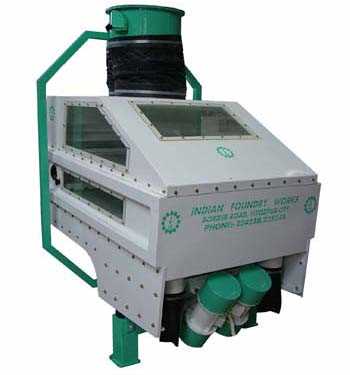
  • Use air suction and differential settling to lift lighter grains while heavier stones fall through a separate discharge. These are available as single or multi-stage units and scale up to large capacities (several tonnes per hour to 20 T/hr in industrial models).

4. Gravity + Magnetic Hybrid Destoners

  • Combine vibrating decks, air aspiration and magnetic elements to remove both dense inert material and ferrous pieces in one pass — popular in pulses, rice and flour mills.

Capacity & motor specs (typical market ranges)

  • Small benchtop to small plant units: ~100–500 kg/hr, 1–3 HP motors.

  • Medium units: 500–2,000 kg/hr, 3–7.5 HP.

  • Large industrial units: 2,000 kg/hr up to 20,000 kg/hr (20 T/hr) with 5–25+ HP and heavier duty construction. Specific models and feed hoppers vary widely by manufacturer.

Available variants / models

Manufacturers typically offer:

  • Semi-automatic destoners for smaller mills and artisan processors.
  • Fully automatic continuous destoners for industrial lines with adjustable feed controls and automated waste discharge.
  • Custom / OEM designs tailored for capacity, grain type (wheat, paddy, pulses, oilseeds), and hygienic standards (food-grade stainless steel contact parts). Many vendors also provide modular units to retrofit existing plants.

Applications & use cases

Primary industries

  • Food processing: Rice mills, flour mills, pulse processing, dal mills and edible-oil seed processing where foreign matter removal is critical.
  • Seed & grain handling: Seed cleaning and grading plants to improve germination quality and reduce contaminants.
  • Feed & pet food: Protect pellet mills and grinders from metal damage.
  • Recycling & minerals: In some configurations, magnetic destoners are adapted to remove metal pieces from granular recycling streams.

Common scenarios

  • At intake receiving points to screen raw lots before storage.
  • Upstream of roller mills, packers and extruders where a single hard particle can jam equipment.
  • In export lines where strict foreign-matter percentages are contractual.

Benefits & efficiencies

  • Reduced downtime and maintenance on downstream equipment.
  • Higher marketable yield (less rework, fewer rejections).
  • Improved product safety and compliance with food safety standards.
  • Lower labor cost when replacing manual sorting and inspection with automated separation.

Popular Searches

Magnetic Destoner | Magnetic Destoner Manufacturers | Magnetic Destoner Suppliers | Magnetic Destoner Exporters | Stone Destoner Machine | Grain Destoner | Magnetic Separator For Grains | Rare Earth Magnetic Destoner | Roller Magnetic Destoner | Vacuum Destoner | Seed Processing Destoner | Rice Mill Destoner | Pulse Destoner | Magnetic Separator Manufacturers India

FAQ's

How much maintenance does a Magnetic Destoner require?

Maintenance is minimal. Routine cleaning of the magnetic roller, inspection of belts, lubrication of moving parts, and periodic adjustment of vibration settings keep the machine running efficiently.

What is the capacity of a Magnetic Destoner?

Capacities vary from small units of 500 kg/hr to large industrial machines of 10 tons per hour or more, depending on the model, material properties, and processing requirements.

Which industries use Magnetic Destoners?

Industries such as agriculture, food processing, flour mills, rice mills, spice processing units, seed cleaning plants, chemical manufacturing, mineral processing, and plastic recycling plants commonly use Magnetic Destoners.

How does a Magnetic Destoner work?

The machine uses a high-intensity magnetic roller that creates a strong magnetic field. When the material flows through the vibrating deck and passes over the magnetic roller, ferrous contaminants and heavy impurities stick to the belt and are discharged separately, while clean material exits from another outlet.

What is a Magnetic Destoner?

A Magnetic Destoner is an advanced magnetic separation machine used to remove stones, ferrous metals, mud balls, and heavy impurities from grains, seeds, pulses, spices, and other granular food products. It ensures high product purity and protects downstream processing equipment.

Scroll to Top