
HOTLINE: +91 851-114-2701
13 listings from verified sellers across India





Magnets
Magnets are materials or objects that produce a magnetic field, attracting or repelling other magnetic materials. They play a fundamental role in countless technologies.
Types of Magnets
Permanent Magnets:
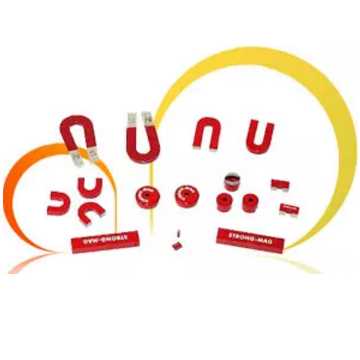
Retain their magnetism after being magnetized (e.g., Neodymium, Samarium-Cobalt, Alnico, Ferrite/Ceramic).
Electromagnets:
Generate a magnetic field only when an electric current passes through them (coil of wire around a ferromagnetic core).
Applications in Various Industries:
Electronics: Speakers, headphones, motors, generators, hard drives, sensors.
Automotive: ABS sensors, electric vehicle motors, alternators.
Healthcare: MRI machines, medical devices, magnetic therapy.
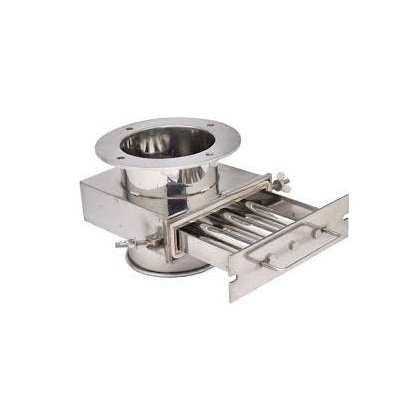
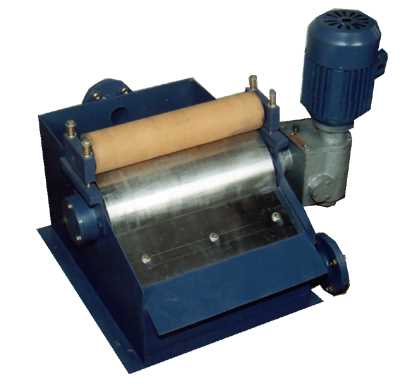
Industrial: Lifting magnets, magnetic separators, sensors, actuators.
Renewable Energy: Wind turbine generators.
Consumer Goods: Refrigerators, toys, closures.
Material Selection Considerations: