HOTLINE: +91 851-114-2701
17 listings from verified sellers across India
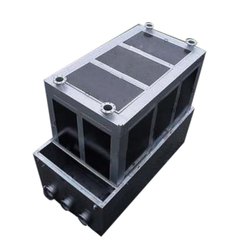
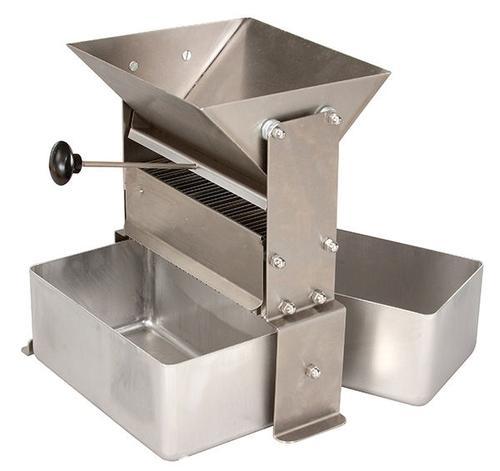
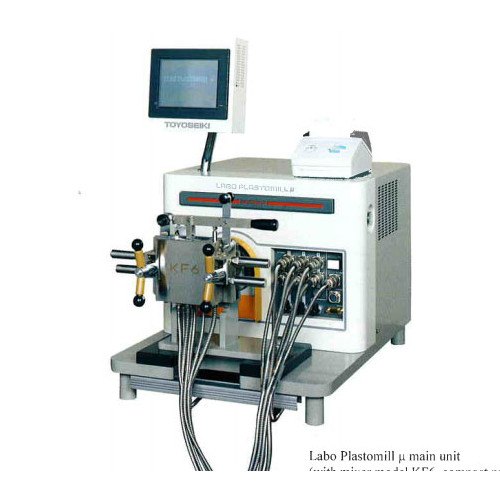

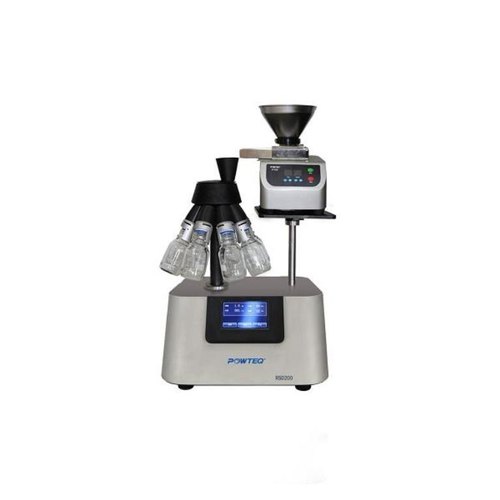
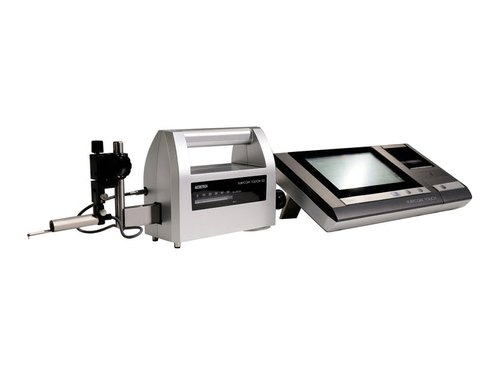

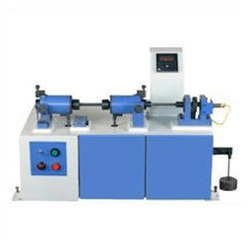
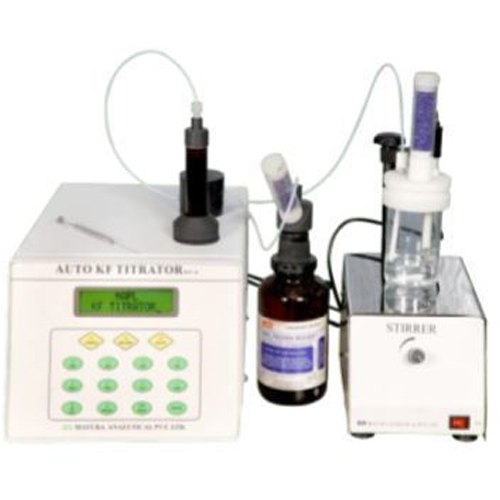
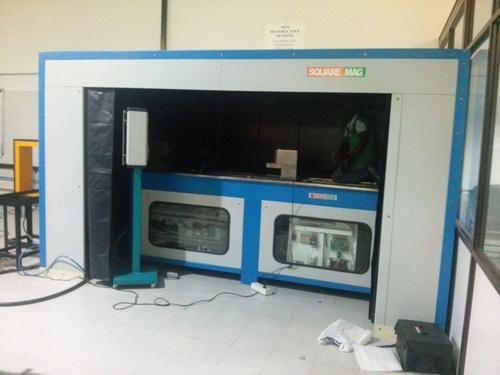
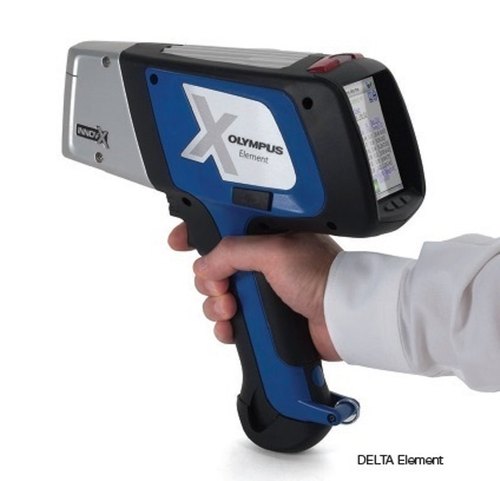
Indian Trade Bird connects buyers with trusted material testing equipment manufacturers . Material testing equipment is essential for evaluating the physical, mechanical, and chemical properties of materials, ensuring product quality, safety, and compliance with industry standards. These machines are widely used in manufacturing units, research laboratories, construction projects, and quality control departments.
As a leading B2B sourcing platform, Indian Trade Bird helps businesses find reliable manufacturers of material testing equipment, enabling accurate testing, consistent results, and efficient quality assurance processes.
Manufacturers listed on Indian Trade Bird specialize in producing high-precision material testing machines designed for accuracy, durability, and repeatability. These machines are manufactured using advanced technology and calibrated systems to meet national and international testing standards.
Buyers can source equipment suitable for routine quality checks, R&D applications, and industrial compliance testing, directly from verified manufacturers across India.
Indian Trade Bird features manufacturers offering a wide range of material testing equipment, including:
Universal Testing Machines (UTM)
Tensile & Compression Testing Machines
Hardness Testing Machines
Impact Testing Machines
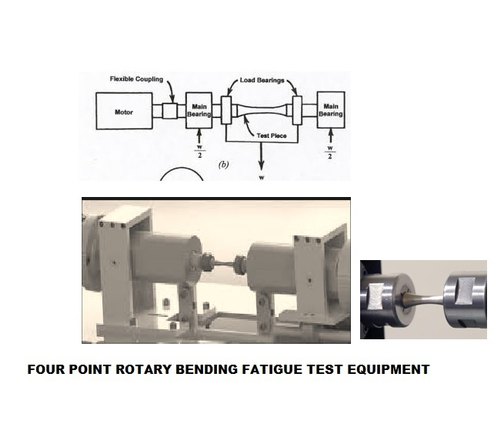
Fatigue Testing Equipment
Non-Destructive Testing (NDT) Equipment
Metal, Plastic, Rubber & Composite Testing Machines
All equipment is designed to deliver accurate measurements, stable performance, and long service life.
Material testing equipment sourced through Indian Trade Bird is widely used in:
Manufacturing & production facilities
Construction & infrastructure projects
Automotive & aerospace industries
Research & development laboratories
Quality control & inspection departments
Educational & technical institutions
Using high-quality testing equipment helps ensure material reliability, product safety, and regulatory compliance.
All listed material testing equipment manufacturers are verified for quality and authenticity.
Buy directly from manufacturers and reduce sourcing costs.
Compare multiple manufacturers offering different testing methods and capacities.
Equipment complies with industry and testing standards, ensuring precise results.
Send enquiries and receive competitive quotes from multiple suppliers on one platform.
Many manufacturers on Indian Trade Bird provide customized testing equipment and bulk supply options. Buyers can request specific testing capacities, automation features, software integration, and calibration requirements based on industrial or laboratory needs.
If you are looking for reliable material testing equipment manufacturers , Indian Trade Bird is your one-stop B2B marketplace. Source accurate testing machines, compare verified suppliers, and meet your quality assurance requirements efficiently.
Post your requirement today and get competitive quotes from India’s leading material testing equipment manufacturers.
Material Testing Equipment | Material Testing Equipment Manufacturers | Universal Testing Machine | Tensile Testing Machine | Compression Testing Machine | Hardness Testing Machine | Impact Testing Machine | Fatigue Testing Machine | Bend Testing Machine | Laboratory Material Testing Equipment | Material Strength Testing Equipment
Everything you need to know about material testing equipment
These machines are widely used in construction, automotive, R&D labs, manufacturing, aerospace, and educational institutions.
Common types include tensile testers, compression machines, hardness testers, impact testers, and universal testing machines (UTM).
Material testing equipment is used to evaluate mechanical and physical properties like strength, hardness, and durability of materials.