
HOTLINE: +91 851-114-2701
6 listings from verified sellers across India
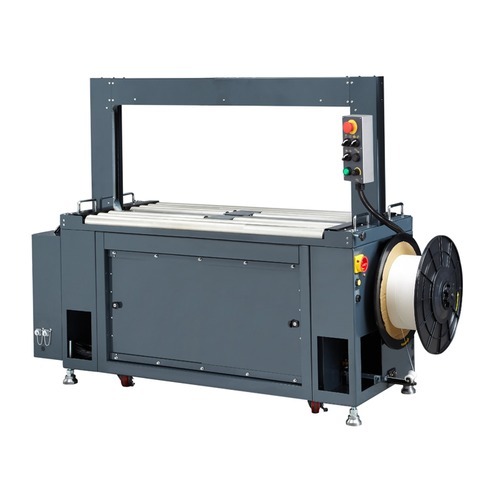
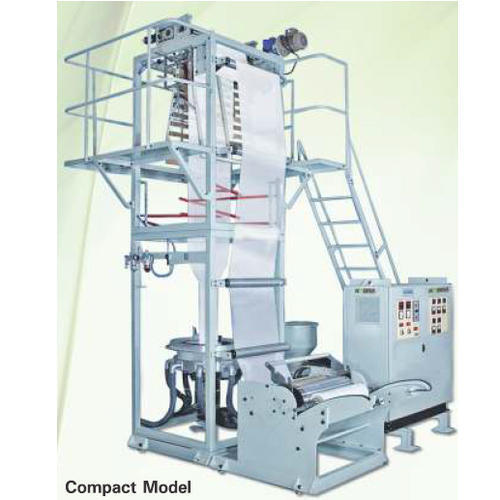
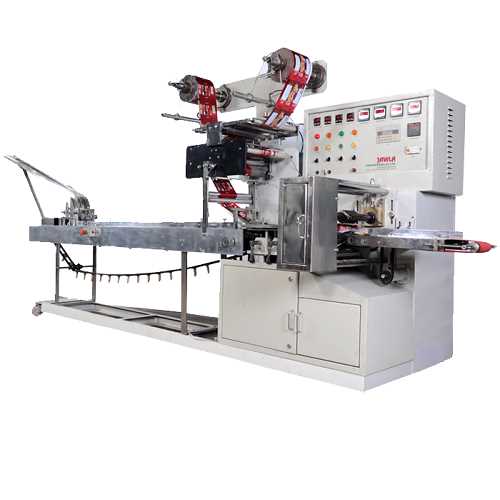
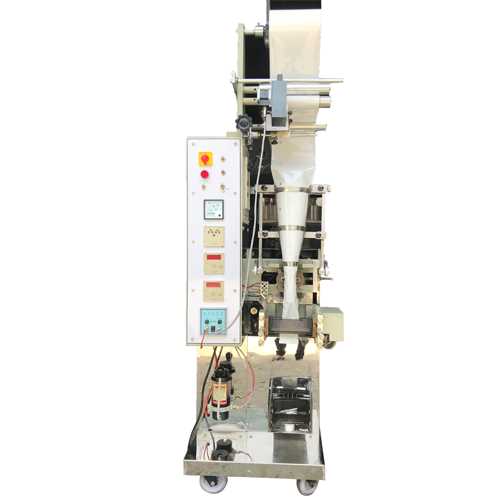

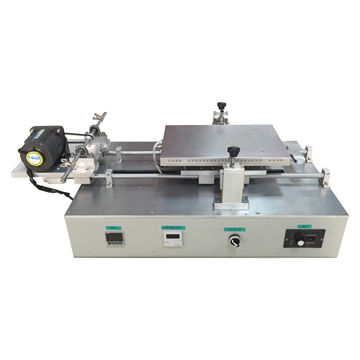
Packaging & Lamination Machinery
Packaging and lamination machinery refers to a broad category of industrial equipment used to enclose, protect, and enhance products, primarily for distribution, storage, sale, and use. Packaging machinery automates various steps of the packaging process, from filling and sealing to wrapping and labeling. Lamination machinery specifically applies a protective or decorative layer to a surface, often integrated into packaging lines. These machines are critical for efficiency, cost reduction, product integrity, and presentation in mass production.
Types of Packaging & Laminationa Machinery
Packaging Machinery:
Filling Machines: (e.g., auger, piston, volumetric, gravimetric) For powders, liquids, granules, solids.
Sealing Machines: (e.g., heat sealers, induction sealers, bag sealers) For various container types.
Wrapping Machines: (e.g., stretch wrappers, shrink wrappers, flow wrappers) For products of various shapes and sizes.
Cartoning Machines: For erecting, filling, and sealing cartons.
Labeling Machines: For applying labels to products or packages.
Capping Machines: For applying and tightening caps on bottles/jars.
Case Packers & Palletizers: For packing finished products into cases and stacking cases onto pallets.
Blister & Strip Packaging Machines: For pharmaceuticals, small hardware.
Vacuum Packaging Machines: Remove air to extend shelf life.
Form-Fill-Seal Machines: (VFFS, HFFS) Create, fill, and seal pouches or bags from roll stock.
Lamination Machinery (as discussed partially under "Thermal Lamination Machine"):
Hot/Thermal Roll Laminators: For documents, graphics, and industrial bonding.
Cold Roll Laminators: For heat-sensitive materials.
Industrial Laminators: For multi-layer films for flexible packaging, textiles, or specialized composites.
Solvent-based, Solvent-less, and Water-based Laminators: Based on the adhesive type.
Applications in Various Industries:
Food & Beverage: Packaging snacks, drinks, ready meals, fresh produce, frozen foods; laminating flexible films for barrier properties.
Pharmaceutical & Healthcare: Sterile packaging for medicines, medical devices; tamper-evident sealing; precise dosage filling.
Cosmetics & Personal Care: Filling and packaging creams, lotions, perfumes; attractive product presentation.
Chemical Industry: Packaging detergents, fertilizers, paints, adhesives; often requiring explosion-proof or corrosive-resistant designs.
Electronics: Protecting sensitive components with static-dissipative packaging; sealing devices.
Consumer Goods: Packaging everything from toys to hardware.
Printing & Graphics: Laminating posters, banners, and digital prints for protection and finish.
Textile Industry: Laminating fabrics for waterproofing, bonding layers for outerwear or automotive interiors.
Technology:
Automation & Robotics: High levels of automation, often incorporating robotic arms for pick-and-place, case packing, and palletizing.
Servo & Stepper Motors: For precise control over movement, speed, and positioning (e.g., film pulling, sealing jaws, labeling accuracy).
PLC (Programmable Logic Controller) & HMI (Human-Machine Interface): Centralized control, recipe management, diagnostics, and seamless integration with entire production lines.
Vision Systems: For quality control (label placement, fill levels), foreign object detection, and ensuring correct product orientation.
Sensor Technology: Proximity sensors, photo-eyes, load cells, temperature sensors for accurate operation, safety, and monitoring.
Advanced Sealing Technologies: Heat sealing, ultrasonic sealing, induction sealing, impulse sealing for diverse materials and secure closures.
Clean-in-Place (CIP) & Sterilize-in-Place (SIP) Systems: For hygienic packaging in food and pharmaceutical industries.
IoT & Industry 4.0 Integration: Machines increasingly have connectivity for remote monitoring, predictive maintenance, and data analysis.
Energy Efficiency: Optimized motor drives, regenerative braking, and intelligent control to reduce energy consumption.
Material Selection Considerations: