HOTLINE: +91 851-114-2701
29 listings from verified sellers across India



.jpg)
.jpg)

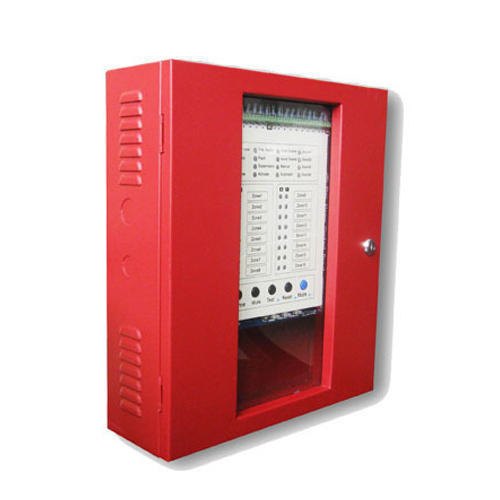
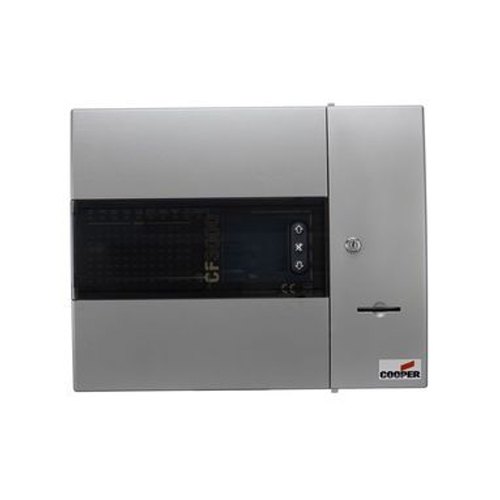
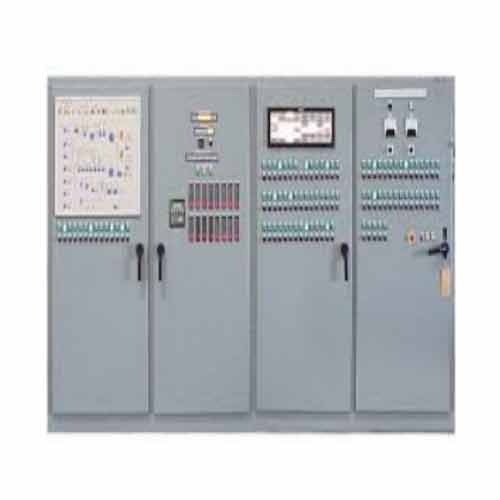

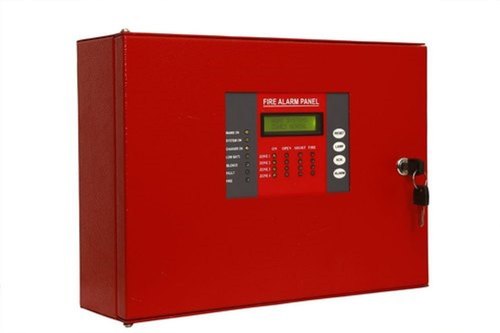
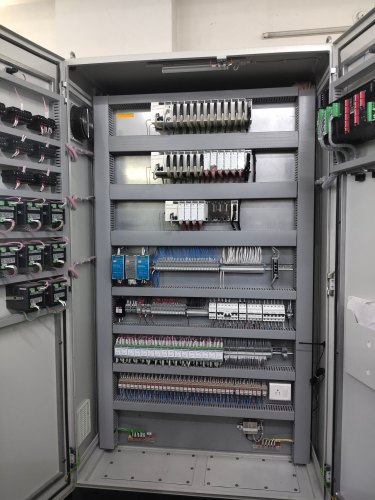
Panel Meters
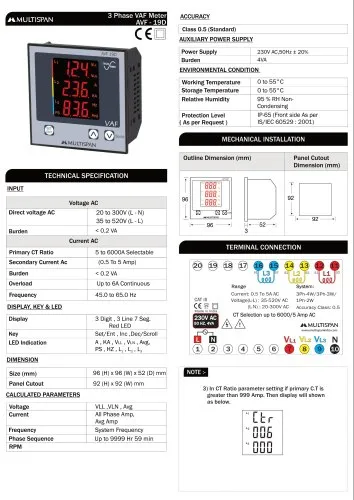
Panel meters are measurement instruments mounted on control panels to display various electrical or physical quantities such as voltage, current, frequency, temperature, or pressure. These meters are essential components in industrial automation, electrical systems, HVAC control, and process monitoring. By offering real-time data visualization, they help operators ensure system efficiency, identify faults, and maintain safety.
Panel meters can be analogy or digital and may include advanced features like alarms, communication interfaces, and programmable ranges depending on the application.
Types of Panel Meters
Analog Panel Meters
Utilize a moving needle over a scale to indicate measurement.
Simple, durable, and do not require external power for operation.
Common for basic voltage or current monitoring.
Digital Panel Meters
Use LED or LCD displays to show precise numeric values.
Available in multimeter, voltmeter, or ammeter configurations.
Often include alarms, data logging, and communication ports.
Multifunction Panel Meters
Capable of measuring multiple parameters (e.g., voltage, current, power factor, frequency).
Suitable for energy management and load analysis.
Used in smart panels and automation systems.
Temperature Panel Meters
Display temperature readings from sensors like thermocouples or RTDs.
Typically used in HVAC, food processing, or chemical industries.
Frequency Panel Meters
Measure frequency of AC signals.
Critical in generator and power supply monitoring.
Energy (kWh) Meters
Measure energy consumption over time.
Used in power distribution panels and energy audit systems.
DIN Rail Panel Meters
Compact meters mounted on DIN rails for easy integration into electrical cabinets.
Used in PLC and control panel environments.
Applications in Various Industries
Electrical Power Distribution
Monitor and control voltage, current, and power in switchboards.
Detect overloads and unbalanced phases.
Industrial Automation
Display sensor values, machine conditions, or process parameters.
Integrated into PLC systems for visual feedback.
HVAC Systems
Track temperature, humidity, and pressure for building climate control.
Help maintain energy efficiency.
Renewable Energy Systems
Measure input/output from solar panels or wind turbines.
Ensure optimal performance and safety compliance.
Manufacturing Plants
Monitor operational parameters of motors, heaters, or conveyors.
Aid in preventive maintenance and fault detection.
Laboratories and Testing Facilities
Precision measurement for experiments or equipment calibration.
Useful in research, quality control, and certification testing.
Water Treatment and Pumping Stations
Monitor flow rate, tank levels, and motor current.
Maintain safe and efficient plant operation.
Material Selection Considerations
Material: ABS Plastic, Polycarbonate, or Metal (for rugged designs).
Reason: Flame-retardant, impact-resistant, and suitable for panel mounting.
Material: Clear Polycarbonate or Acrylic.
Reason: High visibility and resistance to scratches or fogging.
Material: FR4 Epoxy Laminate.
Reason: Electrical insulation and stability in varying temperatures.
Material: Copper or Brass (with tin/nickel plating).
Reason: Excellent conductivity and corrosion resistance.
Material: Stainless Steel or Zinc-Plated Steel.
Reason: Corrosion-resistant and provides firm mounting.
Material: LED or LCD Modules with Glass and Plastic Housing.
Reason: Bright, energy-efficient display suitable for various lighting environments.
Material: Conformal Coating (Acrylic, Silicone).
Reason: Protects PCBs against moisture, dust, and chemical contaminants.