
HOTLINE: +91 851-114-2701
5 listings from verified sellers across India


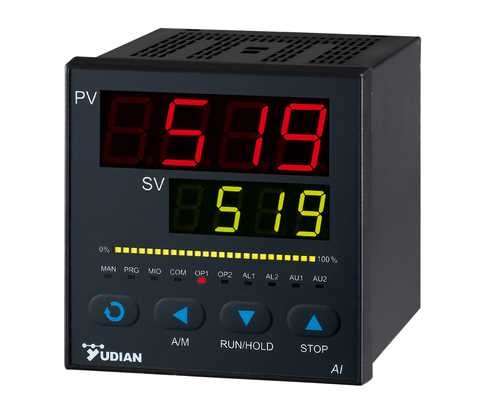
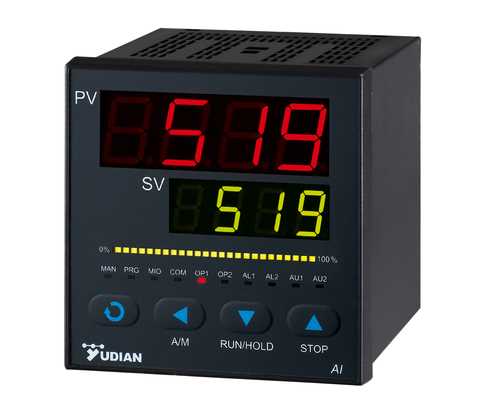
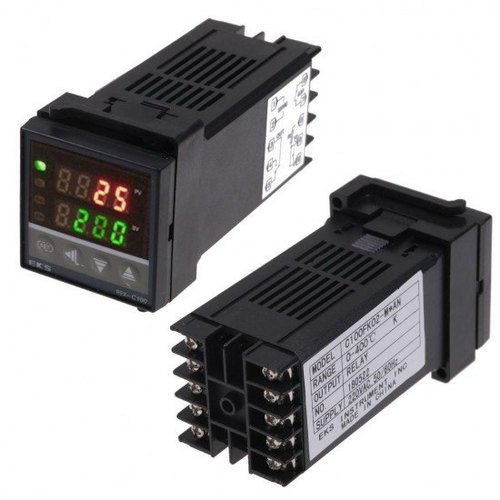
PID Temperature Controller
A PID (Proportional-Integral-Derivative) temperature controller is an electronic device that uses a control loop feedback mechanism to maintain a desired temperature (setpoint) by accurately calculating and applying corrective action based on the difference between the measured temperature and the setpoint. It's widely used in industrial processes requiring precise temperature regulation.
Types of PID temperature controller
Panel Mount PID Controllers: Designed to be installed in control panels, common in industrial settings.
DIN Rail Mount PID Controllers: Compact units that snap onto DIN rails for easy installation in enclosures.
Modular PID Controllers: Part of a larger control system, often integrated with PLCs or DCS.
Multi-loop PID Controllers: Can control multiple temperature zones simultaneously.
Single-Loop PID Controllers: Control one specific temperature zone.
Portable/Benchtop PID Controllers: For laboratory or small-scale applications.
Specialized PID Controllers: For specific applications like ovens, furnaces, extruders, chillers.
Applications in Various Industries
Plastics Industry: Extruders, injection molding machines, thermoforming.
Food & Beverage: Ovens, freezers, pasteurizers, brewing tanks, process heating/cooling.
Packaging: Heat sealers, shrink tunnels.
Chemical & Pharmaceutical: Reactors, distillation columns, drying processes, incubators.
HVAC: Building climate control, chillers, boilers.
Furnaces & Ovens: Heat treatment, ceramic kilns.
Semiconductor Manufacturing: Wafer processing, cleanrooms.
Laboratories: Environmental chambers, analytical instruments.
Material Selection Considerations