
HOTLINE: +91 851-114-2701
21 listings from verified sellers across India
.jpg)
.jpg)
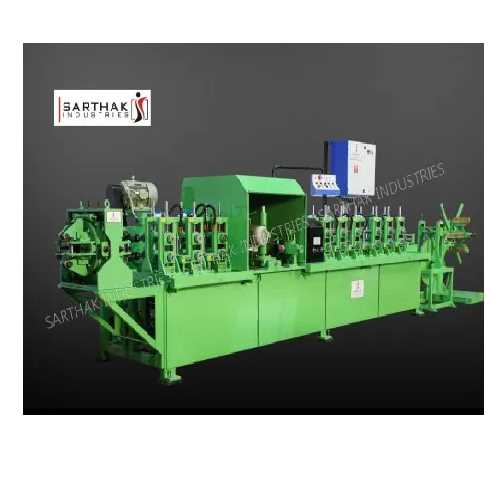
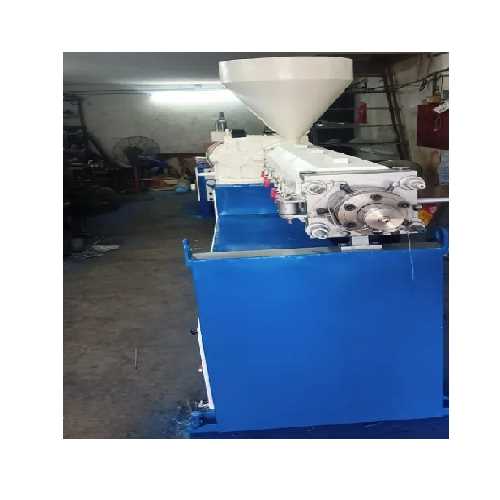
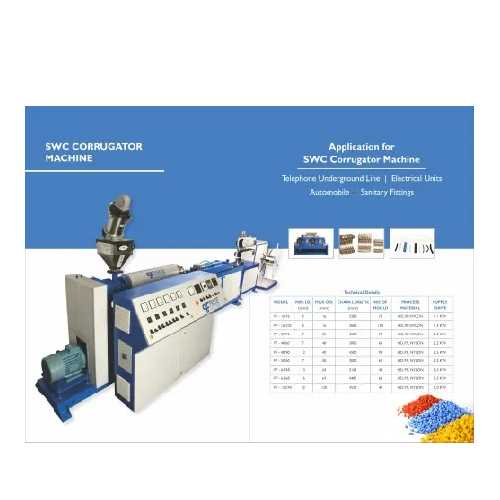
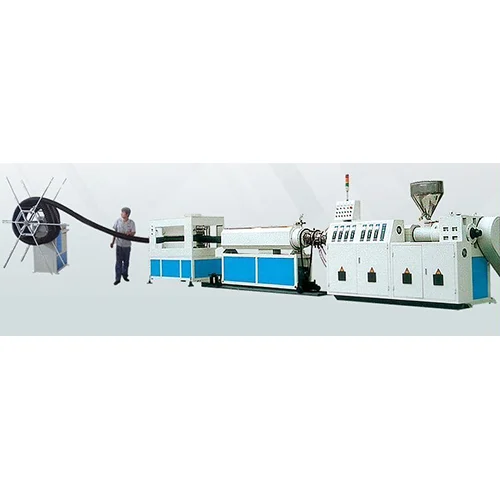
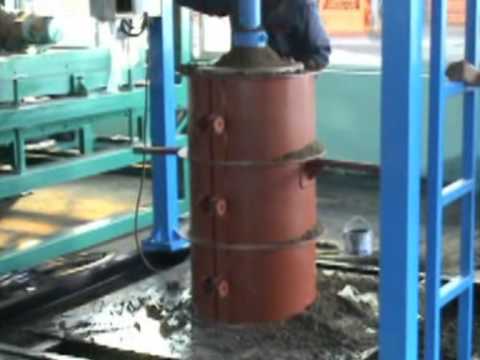
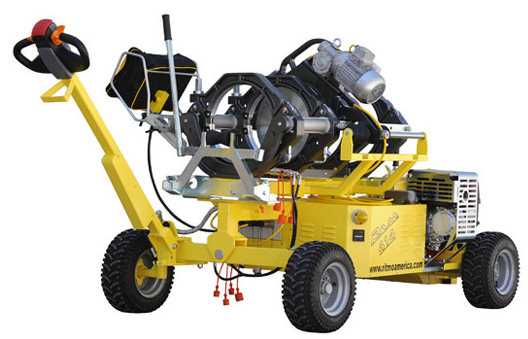
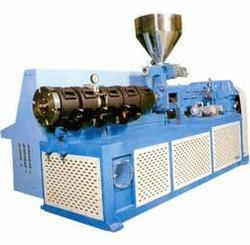
Pipe Making Machinery
Pipe making machinery refers to the complex systems and individual machines used to manufacture pipes and tubes from various raw materials, primarily metals (steel, copper, aluminum) and plastics (PVC, PE, PP). These machines form, weld (for metals), and size the material into continuous lengths of pipe with precise dimensions and properties for diverse applications, from fluid conveyance to structural support.
Types of Pipe Making Machinery
For Metal Pipes:
Welded Pipe Mills:
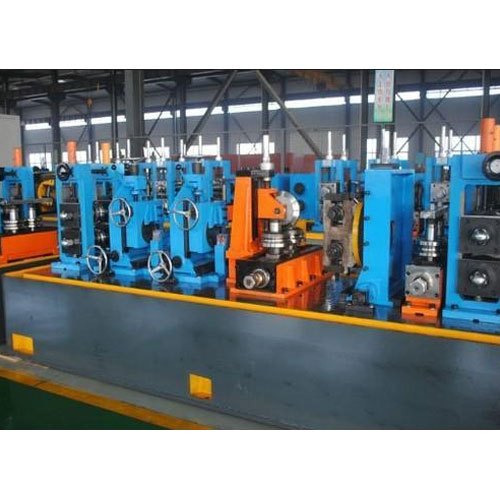
ERW (Electric Resistance Welding) Pipe Mills: Produce pipes by forming a metal strip into a cylindrical shape and then welding the seam using high-frequency current and pressure. Common for relatively thin-walled pipes (e.g., structural, water pipes, conduit).
Spiral Submerged Arc Welding (SSAW) Pipe Mills: Form a metal strip into a spiral, then weld the seam using submerged arc welding. Produces large diameter pipes (e.g., oil & gas pipelines, water transmission).
Longitudinal Submerged Arc Welding (LSAW) Pipe Mills: Form large steel plates into pipes and weld the longitudinal seam using submerged arc welding. Produces very large diameter, thick-walled pipes (e.g., high-pressure gas pipelines).
TIG/MIG Welding Pipe Mills: Used for smaller diameter, high-quality pipes, especially stainless steel, where precise and clean welds are needed.
Seamless Pipe Mills:
Mannesmann Piercing Mill: Forms solid round billets into hollow shells.
Extrusion Presses: Extrude hot metal through a die and mandrel to form seamless pipes (e.g., for specialized alloys, smaller diameters).
Pilger Mills: Reduce the diameter and wall thickness of pre-formed pipe shells (for precision tubes).
Tube Rolling Mills: For cold reduction of tubes (e.g., for precise dimensions, improved surface finish).
Finishing Equipment:
Sizing Mills: Reduce diameter and adjust wall thickness.
Straightening Machines: Ensure pipe straightness.
Cutting Machines: Sawing, torch cutting, laser cutting.
End Finishing Machines: Beveling, threading.
Hydrostatic Testers: Test pipe integrity under pressure
For Plastic Pipes:
Extrusion Lines:
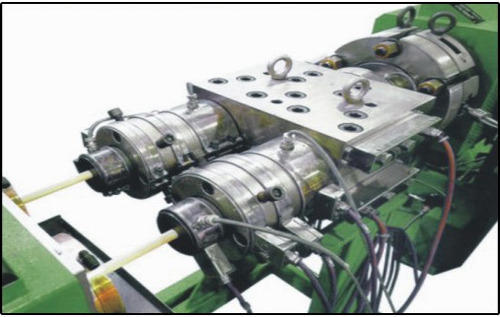
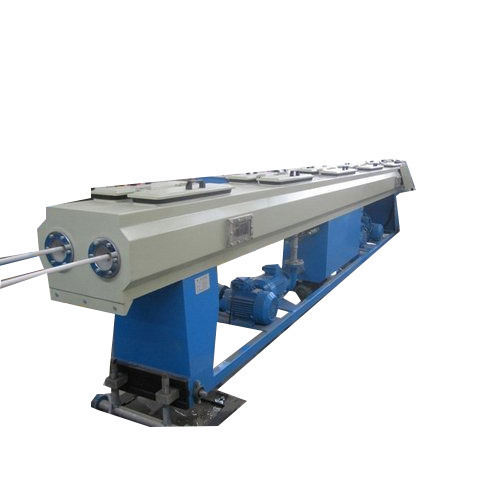
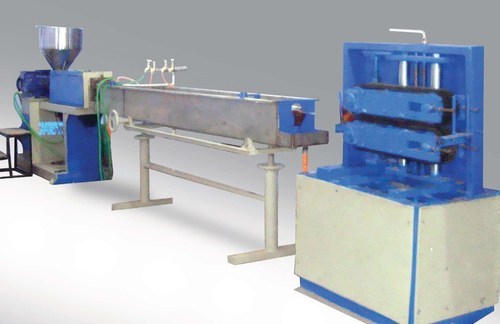
Single-Screw Extruders: Melt and convey plastic pellets through a die to form a continuous pipe. Common for simpler profiles (e.g., PVC, PE pipes).
Twin-Screw Extruders: Offer better mixing and control for more complex plastic formulations or higher output.
Dies: Shape the molten plastic into the desired pipe diameter and wall thickness.
Vacuum Calibration Tanks: Cool and maintain the pipe's dimensions as it exits the die.
Cooling Tanks: Further cool the pipe in water.
Haul-Off Units: Pull the pipe steadily through the extrusion line.
Cutting Saws/Planetary Cutters: Cut the pipe to desired lengths.
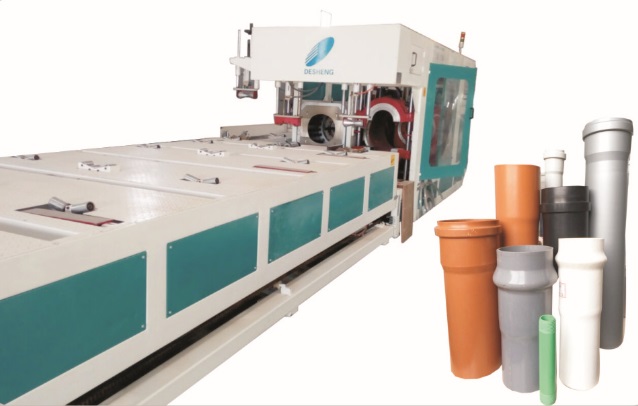
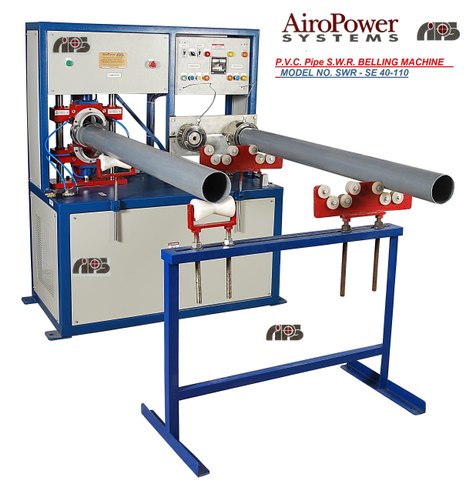
Belling Machines: Form the end of pipes for jointing (e.g., for PVC drainage pipes).
Co-extrusion Equipment: For multi-layer pipes (e.g., barrier pipes).
Application in Various Industries
Oil & Gas Industry:
Applications: Pipelines for crude oil, natural gas, refined products (onshore and offshore).
Technology: High-strength LSAW and SSAW pipe mills, sophisticated welding techniques, non-destructive testing (NDT) (ultrasonic, X-ray) for weld integrity, corrosion-resistant coatings application.
Construction & Infrastructure:
Applications: Water supply and drainage, sewage systems, electrical conduit, structural pipes (scaffolding, handrails).
Technology: ERW pipe mills for common steel pipes, plastic extrusion lines for PVC, HDPE, PPR pipes. Focus on durability, ease of installation, and cost-effectiveness.
Water Treatment & Supply:
Applications: Water distribution networks, industrial process water.
Technology: Corrosion-resistant plastic pipes (PE, PP) and coated steel pipes, advanced joining technologies for leak prevention.
Automotive Industry:
Applications: Exhaust systems, fuel lines, brake lines, chassis components.
Technology: Precision tube rolling, hydroforming (shaping tubes with high-pressure fluid), specialized welding for thin-walled tubes, robotic handling.
HVAC & Refrigeration:
Applications: Copper tubing for refrigerants, steel pipes for hydronic systems.
Technology: Seamless copper tube drawing lines, bending and forming machinery, brazing and soldering equipment.
Agriculture:
Applications: Irrigation systems, drainage.
Technology: Large diameter plastic pipe extrusion (HDPE) for flexibility and corrosion resistance.
Material Selection Considerations
Rolls & Dies (Forming/Shaping components):
Tool Steels (e.g., D2, H13, Cr12MoV): High hardness, wear resistance, and toughness to withstand continuous abrasion and high pressures during forming and shaping operations. Often heat-treated and surface-coated (e.g., nitriding, hard chrome plating) for extended life.
Carbide Inserts: For cutting tools and critical wear points due to extreme hardness.
Welding Equipment Electrodes:
Copper Alloys (e.g., Chromium Copper, Copper-Beryllium): For high electrical conductivity, thermal conductivity, and hardness, crucial for resistance welding electrodes.
Cutting Blades/Saws:
High-Speed Steel (HSS), Tungsten Carbide-tipped blades: For efficient and clean cutting of metal and plastic pipes.
Machine Frame & Structural Components:
Heavy-Duty Fabricated Steel (e.g., Q235, Q345, ASTM A36): For rigidity, vibration damping, and load-bearing capacity. Often welded and stress-relieved.
Hydraulic Cylinders & Components:
Steel: For cylinders and pistons.
Durable Seals (e.g., NBR, Viton, PTFE): For hydraulic integrity.
Extruder Barrel & Screw (for plastic pipe):
Nitrided Alloy Steels or Bi-metallic Liners: For wear resistance and corrosion resistance against molten plastics.
Cooling Tanks:
Stainless Steel or FRP (Fiber Reinforced Plastic): For corrosion resistance in water environments.
Bearings:
High-strength steel bearings: To support rotating shafts and rollers under heavy loads and high speeds.
Coatings (for machine parts):
Hard Chrome Plating, Electroless Nickel Plating: For wear resistance and corrosion protection on certain machine components.