
HOTLINE: +91 851-114-2701
9 listings from verified sellers across India







Plastic and Plastic Products
This category is broad, encompassing both raw plastic materials (polymers) and the vast array of finished products made from them. Plastics are synthetic or semi-synthetic organic compounds that are ductile and can be molded into solid objects of various shapes. They are derived mainly from petrochemicals but increasingly from renewable sources.
Types of Plastic and Plastic Products
Raw Materials:
Pellets/Granules: The most common form, used in injection molding, extrusion, blow molding.
Powders: For rotational molding, coatings.
Sheets/Films: For thermoforming, packaging, laminates.
Resins: Liquid or semi-liquid forms for casting, resins.
Finished Products:
Packaging: Bottles, containers, films, bags, trays, foams (PET, HDPE, LDPE, PP, PS, PVC).
Consumer Goods: Toys, kitchenware, furniture, appliance casings, sports equipment (ABS, PP, PS, PE).
Automotive: Interior and exterior parts, fuel tanks, wiring insulation (PP, ABS, Nylon, PC).
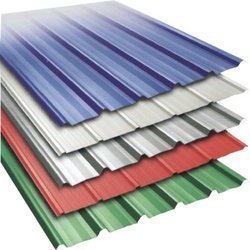
Construction: Pipes, fittings, window profiles, flooring, insulation, roofing (PVC, HDPE, PP).
Medical: Syringes, IV bags, surgical instruments, prosthetics (PP, PE, PVC, PC, Silicone).
Electronics: Casings, connectors, circuit board components, wire insulation (ABS, PC, Nylon, PVC).
Textiles: Synthetic fibers like polyester, nylon, acrylic, polypropylene for fabrics, ropes, carpets.
Agricultural: Films, pipes, nets (PE, PP).
Applications of Plastic and Plastic Products
Applications:
Literally every industry uses plastics for components, packaging, or end products: Automotive, Aerospace, Construction, Packaging, Food & Beverage, Medical, Electronics, Consumer Goods, Textiles, Agriculture, Sports & Recreation, etc.
Material Selection Considerations