
HOTLINE: +91 851-114-2701
4 listings from verified sellers across India
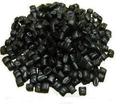
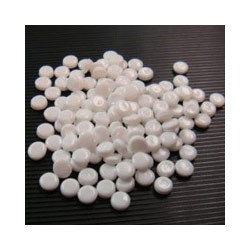
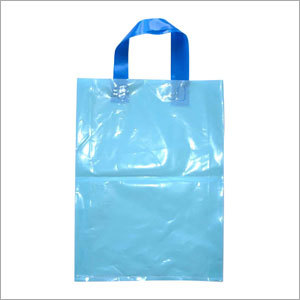
Plastic Raw Material
Plastic raw materials are synthetic or semi-synthetic organic polymers used as the primary input for manufacturing various plastic products. They are typically in the form of pellets, granules, powders, or liquids.
Types of Product
Thermoplastics: Can be melted and reshaped multiple times (e.g., Polyethylene (PE), Polypropylene (PP), Polyvinyl Chloride (PVC), Polystyrene (PS), Polyethylene Terephthalate (PET), Acrylonitrile Butadiene Styrene (ABS), Nylon, Polycarbonate (PC)).
Thermosets: Undergo an irreversible chemical change upon heating, becoming permanently rigid (e.g., Epoxy resins, Phenolic resins, Polyester resins, Polyurethane).
Bioplastics: Plastics derived from renewable biomass sources (e.g., Polylactic Acid (PLA), Polyhydroxyalkanoates (PHA)).
Application in Various Industries
Packaging: Films, bottles, containers (PET, PE, PP, PS).
Automotive: Interior and exterior components, fuel tanks, bumpers (PP, ABS, Nylon, PC).
Construction: Pipes, window frames, insulation, flooring (PVC, PE, PP).
Consumer Goods: Toys, electronics casings, household appliances (ABS, PS, PE, PP).
Medical: Syringes, medical devices, packaging (PP, PE, PC).
Textiles: Synthetic fibers (Polyester, Nylon).
Technology
Plastic processing technologies include injection molding, extrusion, blow molding, thermoforming, rotational molding, and 3D printing. These technologies shape the raw material into desired forms.
Material Selection Considerations
Mechanical Properties: Strength, stiffness, impact resistance.
Thermal Properties: Melting point, heat deflection temperature, thermal expansion.
Chemical Resistance: Resistance to acids, bases, solvents, oils.
Processing Characteristics: Melt flow index, moldability, processing temperature.
Cost: Price per unit weight or volume.
Regulatory Compliance: Food contact safety, medical grades, environmental regulations.
UV Resistance: For outdoor applications.
Flammability: For specific applications requiring fire retardancy.