
HOTLINE: +91 851-114-2701
8 listings from verified sellers across India
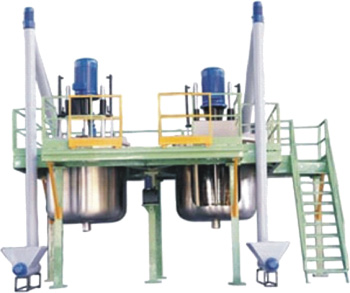
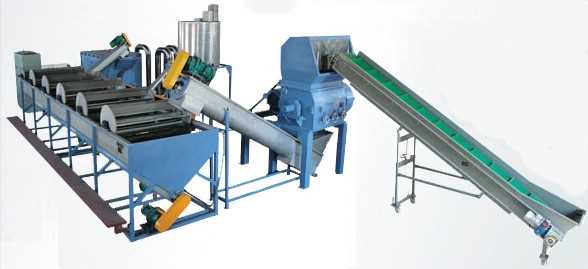
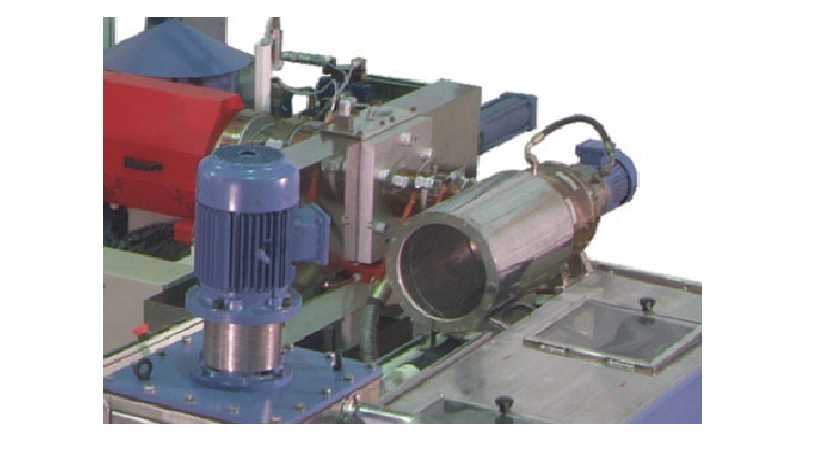
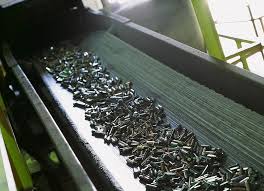
Plastic Recycling Plant
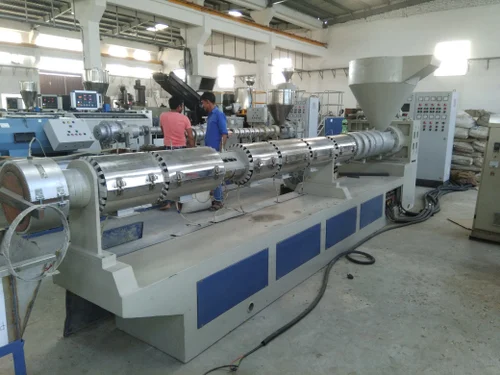
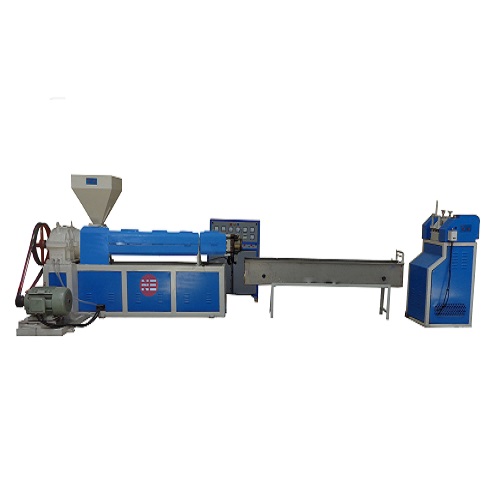
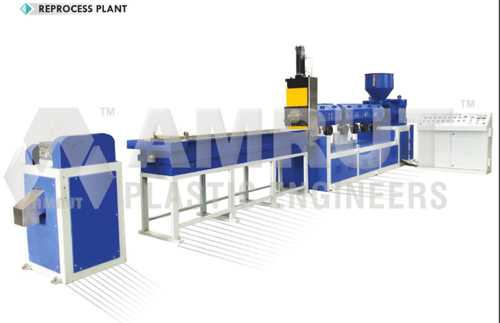
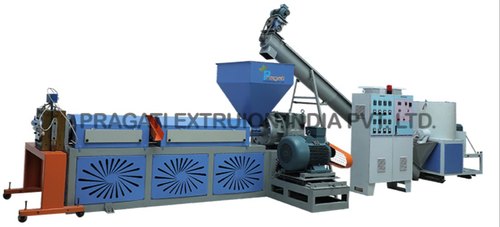
A plastic recycling plant is an industrial facility dedicated to processing waste plastic materials and converting them into reusable forms. The goal is to reduce plastic pollution, conserve natural resources, and decrease energy consumption compared to producing new plastics from virgin raw materials.
Types of plastic recycling plant
Plastic Flakes: Shredded and cleaned plastic, often sorted by polymer type (e.g., PET flakes, HDPE flakes, PP flakes).
Plastic Pellets/Granules: Melted and re-extruded plastic into small, uniform pellets, ready for manufacturing new plastic products.
Recycled Resins: Reprocessed plastic materials that can be used directly or blended with virgin materials.
Specific Products (from recycled plastics): Plastic lumber, fencing, refuse bags, containers, textiles (from PET), pipes, automotive parts.
Applications in Various Industries
Applications: Waste management, material manufacturing (recycled plastic products), automotive, construction, packaging, textile industries.
Collection & Sorting: Manual sorting lines, automated optical sorters (NIR - Near-Infrared), eddy current separators (for metals), air classifiers, flotation tanks (for density-based separation).
Shredding & Grinding: Industrial shredders and granulators to reduce plastic size.
Washing & Drying: Hot and cold washing lines with detergents to remove contaminants, spin dryers, thermal dryers.
Separation: Hydro-cyclones, friction washers, sink-float tanks.
Melting & Extrusion: Extruders melt the cleaned plastic and form strands, which are then pelletized.
Filtration: Melt filters to remove impurities before pelletizing.
Degassing: To remove volatile contaminants during extrusion.
Compounding: Adding additives, colorants, or blending different polymers to achieve desired properties.
Material Selection Considerations
For Plant Components:
For Recycled Plastics (Input):