
HOTLINE: +91 851-114-2701
8 listings from verified sellers across India
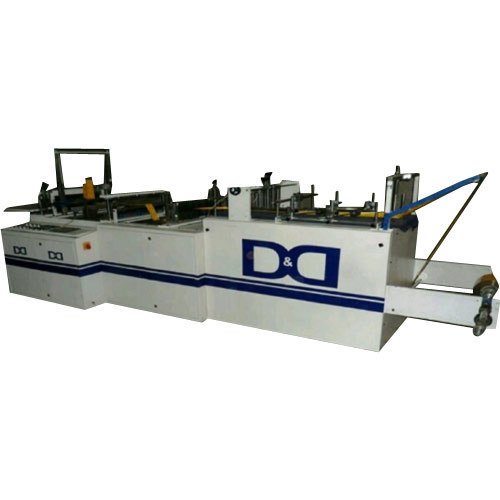
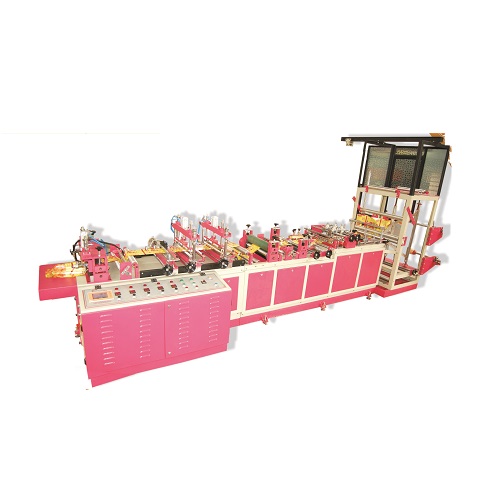
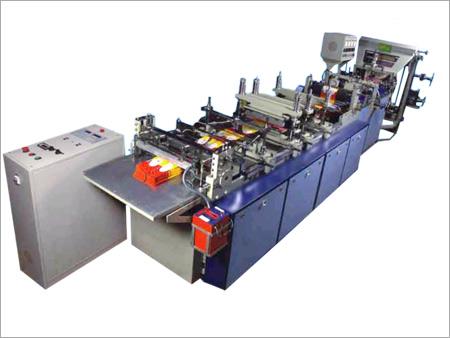
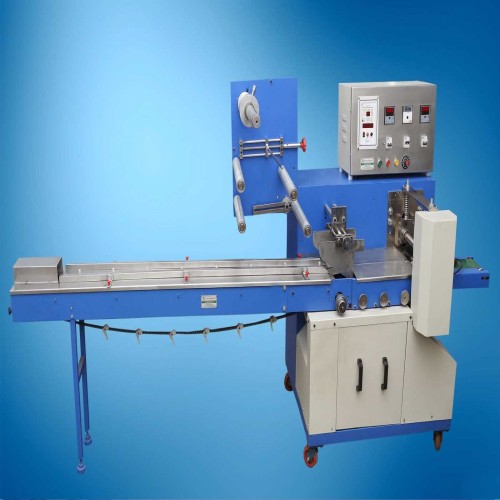
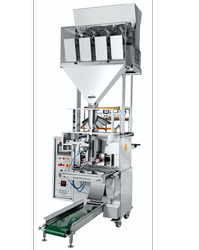
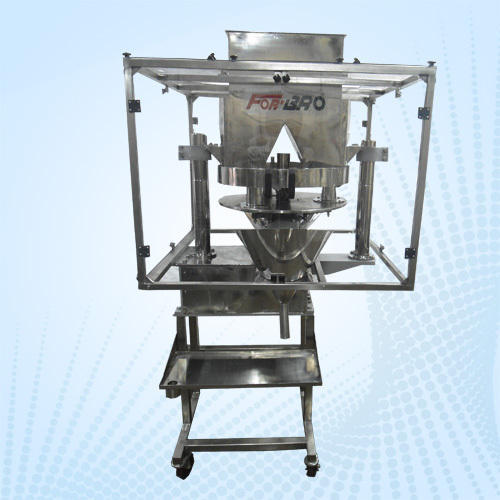
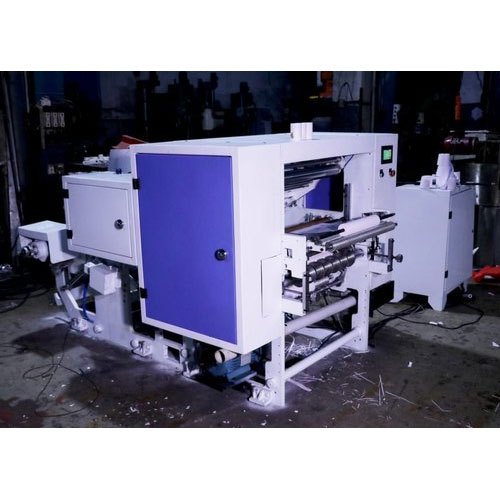
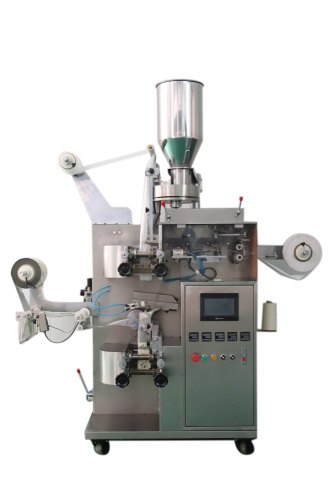
Pouch Making Machine
A pouch making machine is an industrial apparatus designed to produce flexible packaging pouches from various film materials. These machines automate the processes of unwinding, forming, sealing, and often cutting and sometimes filling pouches, playing a critical role in the packaging industry for a vast array of consumer and industrial products. They offer versatility in pouch design, size, and material, enabling efficient and hygienic packaging solutions.
Types of pouch making machine
Vertical Form Fill Seal (VFFS) Machines:
Operation: The film unwinds vertically, forms a tube, seals the vertical seam, then the bottom is sealed, product is filled from the top, and finally the top is sealed and cut.
Output: Typically produce pillow bags, gusseted bags, and sometimes stand-up pouches.
Common Applications: Granular products (rice, sugar, snacks), powders (coffee, spices), liquids (milk, juice) that can be easily dropped or pumped.
Horizontal Form Fill Seal (HFFS) Machines:
Operation: The film unwinds horizontally, forms the pouch, the product is inserted horizontally, and then the pouch is sealed and cut.
Output: Often produce flat pouches, flow wraps, and sometimes stand-up pouches.
Common Applications: Single-serve items, solid products (cookies, bakery items, candies), fragile items, or products that require careful horizontal handling.
Pre-Made Pouch Filling and Sealing Machines:
Operation: These machines take pre-formed pouches (often with zippers or spouts) from a magazine, open them, fill them with product, and then seal them.
Output: Produce high-quality, often premium-looking pouches like Doypack (stand-up pouches), zipper pouches, spouted pouches.
Common Applications: Snacks, pet food, sauces, beverages, detergents, personal care products where a premium appearance and re-sealability are desired.
Specific Pouch Styles:
Three-Side Seal Pouch Machines: Produce flat pouches sealed on three sides.
Four-Side Seal Pouch Machines: Produce flat pouches sealed on all four sides, often for smaller items or sachets.
Stand-Up Pouch (Doypack) Machines: Specifically designed to create pouches with a bottom gusset, allowing them to stand upright.
Zipper Pouch Machines: Integrate a zipper mechanism into the pouch for re-sealability.
Spouted Pouch Machines: Integrate a spout for easy pouring of liquids or gels.
Stick Pack Machines: Produce narrow, elongated pouches for single servings of powders or liquids.
Applications in Various Industries
Food & Beverage Industry:
Applications: Packaging snacks, coffee, tea, sugar, spices, cereals, frozen foods, juices, sauces, pet food, dairy products.
Technology: High-speed servo motors for precise control, integrated weighing/filling systems (multihead weighers, auger fillers, liquid pumps), modified atmosphere packaging (MAP) capabilities for freshness, hygienic design (stainless steel, washdown features), real-time quality control sensors (seal integrity, fill level).
Pharmaceuticals & Medical Devices:
Applications: Packaging tablets, powders, medical instruments, diagnostic kits, sterile products.
Technology: Cleanroom compatibility, sterile packaging processes, precise dosing, tamper-evident seals, vision inspection systems for defect detection, compliance with FDA and GMP standards.
Cosmetics & Personal Care:
Applications: Packaging lotions, creams, shampoos, soaps, wipes, single-use samples.
Technology: Viscous liquid filling systems, precise volumetric filling, aesthetic seal quality, integration with downstream cartoning/casing equipment.
Chemicals & Detergents:
Applications: Packaging detergents (powder and liquid), cleaning agents, industrial chemicals, agrochemicals.
Technology: Corrosion-resistant components, robust sealing systems for aggressive liquids, child-resistant closures, precise volumetric filling for liquids.
Consumer Goods:
Applications: Packaging toys, hardware, small electronics, promotional items.
Technology: Flexibility to handle various film types and product shapes, quick changeover capabilities for different pouch sizes.
Material Selection Considerations
Frame & Structural Components:
Contact Parts (where product/film touches):
Sealing Jaws/Heating Elements:
Cutting Blades:
Bearings & Moving Parts:
Sensors & Controls:
Film Handling Components (rollers, guides):