HOTLINE: +91 851-114-2701
10 listings from verified sellers across India
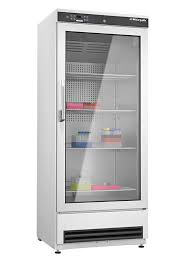
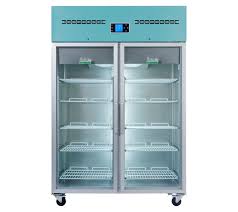
Refrigerating Equipment
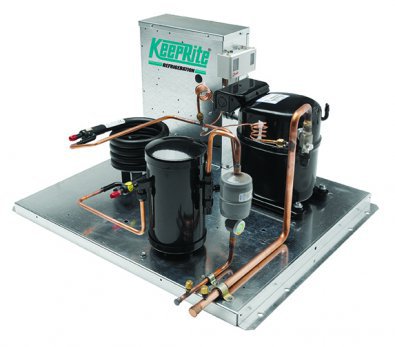
Refrigerating equipment encompasses a wide range of devices and systems designed to remove heat from a confined space or substance and transfer it to another medium, thereby lowering and maintaining a temperature below that of the surrounding environment. This process is crucial for preserving perishable goods, providing comfort cooling, and enabling numerous industrial processes.
Types of Refrigerating Equipment
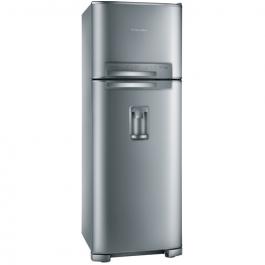
Domestic Refrigerators & Freezers:
Household appliances for food preservation.
Commercial Refrigeration:
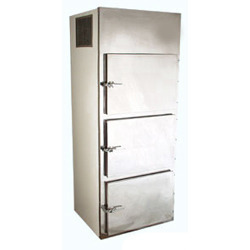
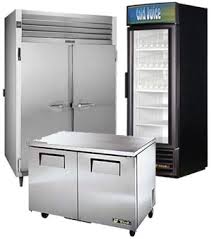
Reach-in & Walk-in Coolers/Freezers: Used in restaurants, supermarkets, and convenience stores.
Display Cases: For showcasing perishable food items in retail.
Ice Machines: Produce ice for various uses.
Blast Chillers/Freezers: Rapidly cool or freeze food to preserve quality and safety.
Industrial Refrigeration:
Chillers: Provide chilled water or other secondary coolants for process cooling in manufacturing, data centers, and large HVAC systems.
Cold Storage Warehouses: Large-scale refrigerated facilities for long-term storage of goods.
Cryogenic Systems: For extremely low temperatures, often using liquid nitrogen or helium, in scientific research, medical applications, and some industrial processes.
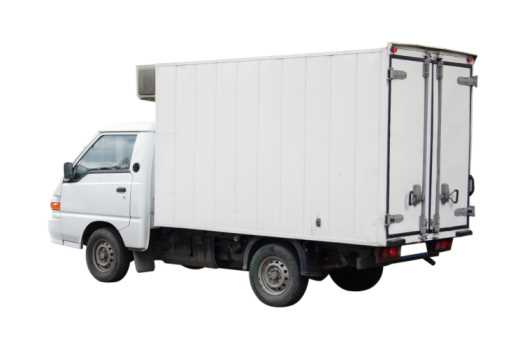
Refrigerated Transport (Reefers): Trailers or containers equipped with refrigeration units for transporting temperature-sensitive goods.
Specialized Refrigeration:
Medical refrigerators (vaccines, blood), laboratory freezers, climate chambers.
Applications in Various Industries:
Food & Beverage: Preservation of raw ingredients, processed foods, beverages; cold chain logistics; supermarket display.
Pharmaceuticals & Healthcare: Storage of vaccines, medicines, blood, organs; laboratory samples; clean rooms.
Chemical & Petrochemical: Cooling reactors, liquefying gases, condensation processes.
Manufacturing: Cooling machinery, process fluids, metalworking fluids; precision cooling for electronics manufacturing.
Data Centers: Cooling servers and network equipment to prevent overheating.
HVAC (Heating, Ventilation, Air Conditioning): Large-scale air conditioning systems using chillers.
Technology:
Vapor Compression Cycle: The most common refrigeration cycle involving a compressor, condenser, expansion valve, and evaporator, utilizing refrigerants (e.g., HFCs, natural refrigerants like CO2, ammonia).
Absorption Refrigeration: Uses heat (e.g., waste heat) to drive a refrigeration cycle, often with water/lithium bromide or ammonia/water solutions.
Refrigerants: Evolution from CFCs and HCFCs to HFCs, HFOs, and natural refrigerants (CO2, ammonia, hydrocarbons) with lower GWP (Global Warming Potential).
Compressor Technologies: Reciprocating, rotary, scroll, screw, and centrifugal compressors, chosen based on capacity and application.
Variable Speed Drives (VSD): Used with compressors and fans for energy efficiency by adjusting cooling capacity to demand.
Smart Controls & IoT: Microprocessor-based controls, remote monitoring, predictive maintenance, energy optimization.
Heat Recovery Systems: Capturing waste heat from refrigeration systems for other uses (e.g., water heating).
Insulation Materials: High-performance insulation (e.g., polyurethane foam, vacuum insulation panels) to minimize heat gain.
Material Selection Considerations:
Heat transfer efficiency, corrosion resistance, compatibility with refrigerants and lubricants, structural integrity, and hygiene are critical.