
HOTLINE: +91 851-114-2701
10 listings from verified sellers across India
.jpg)
.jpg)
.jpg)
.jpg)
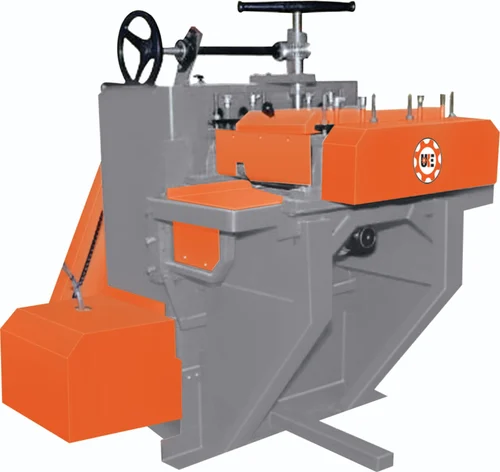
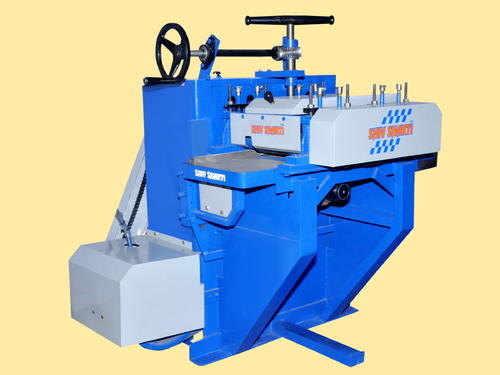
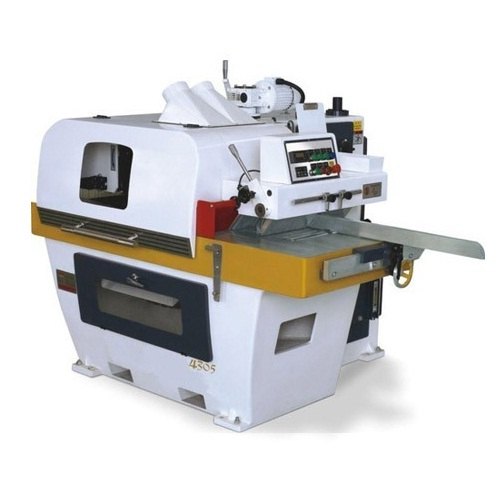
Rip Saw Machine
A rip saw machine is a woodworking power tool specifically designed to cut wood along the grain (rip cutting). This creates narrower boards from wider stock or squares up edges. Unlike crosscut saws, which cut across the grain, rip saws prioritize efficient and clean cuts parallel to the wood fibers.
Types of Rip Saw Machine
Table Saws (with Rip Fence): The most common rip saw, where the blade is mounted on an arbor beneath a table and the wood is fed against an adjustable rip fence.
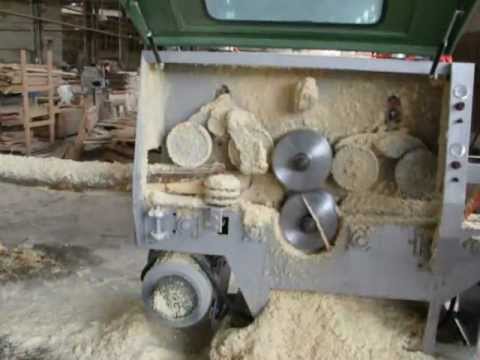
Gang Rip Saws: Industrial machines with multiple saw blades on a single arbor, used to simultaneously cut several strips from a wide board in one pass, ideal for high-volume production.
Straight Line Rip Saws: Highly accurate saws designed to produce perfectly straight edges, often used for edge gluing.
Unscrambler Rip Saws: Often integrated into production lines, designed to handle randomly oriented boards.
Manual Feed Rip Saws: Operator pushes the wood through.
Power Feed Rip Saws: Use rollers or chains to automatically feed the wood through the blade, improving safety, consistency, and speed.
Applications in Various Industries
Sawmills & Lumber Production: Breaking down logs into rough lumber, processing slabs into boards.
Furniture Manufacturing: Sizing lumber for furniture components, preparing stock for edge gluing.
Cabinet Making: Cutting panels and frames to size.
Flooring Manufacturing: Cutting strips for engineered or solid wood flooring.
Plywood & Panel Manufacturing: Sizing large sheets into smaller components.
Pallet Manufacturing: Cutting lumber for pallet components.
Technology:
Blade Design: Rip saw blades have fewer, larger teeth with a positive hook angle to aggressively cut along the grain, efficiently removing material and preventing burning.
Motor & Drive: Powerful electric motors (often three-phase for industrial machines) to handle the resistance of cutting along the grain.
Feed System: Precision power feed rollers or chain feeds for consistent material movement.
Rip Fence: A crucial component, designed to be rigid, parallel to the blade, and easily adjustable for accurate width cuts.
Dust Collection: Essential for woodworking machinery to manage sawdust and maintain air quality.
Safety Features: Blade guards, anti-kickback pawls, riving knives, emergency stop buttons.
Material Selection Considerations
Blade Material:
Machine Frame & Table: