HOTLINE: +91 851-114-2701
16 listings from verified sellers across India
Rolling Mills
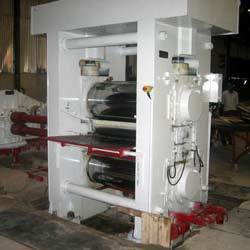
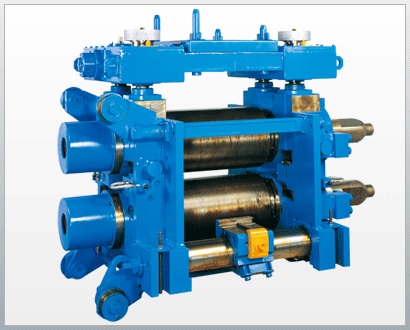
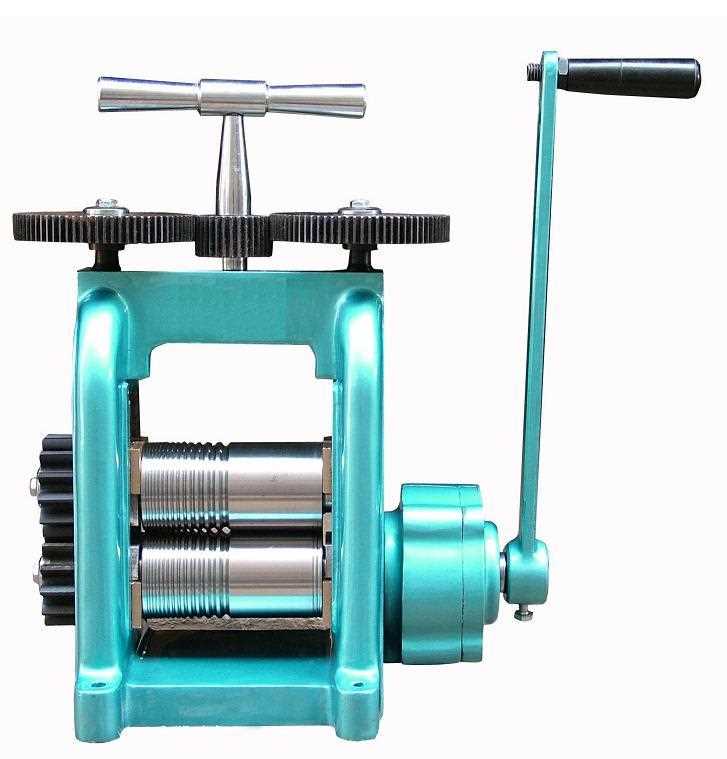
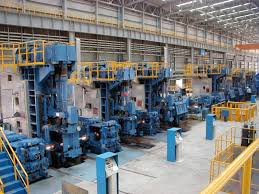
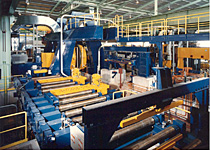
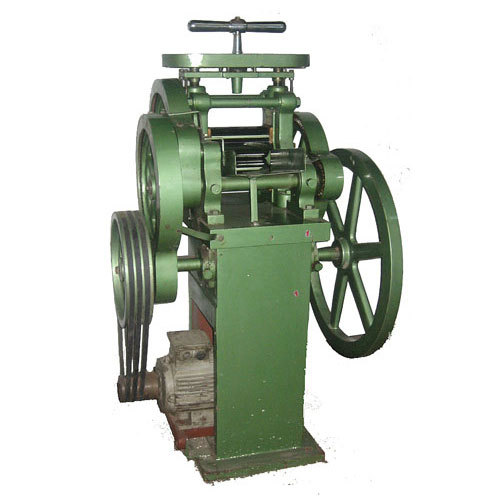
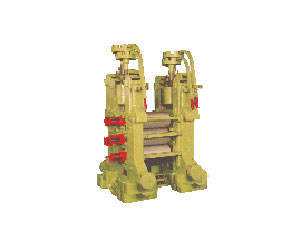
A rolling mill is a machine that performs the metal forming process of rolling, where metal stock is passed through one or more pairs of rolls to reduce the thickness and make the thickness uniform, while simultaneously increasing the length. It's a fundamental process in metalworking to produce various metal products with specific cross-sections and properties.
Types of Rolling mills
By Temperature:
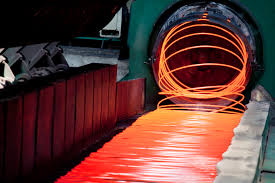
Hot Rolling Mill: Processes metal above its recrystallization temperature, making it easier to deform and reducing rolling forces. Produces products with coarser grain structure and less precise dimensions.
Cold Rolling Mill: Processes metal below its recrystallization temperature, resulting in higher strength, better surface finish, and tighter dimensional tolerances. Requires higher rolling forces.
By Configuration (Roll Arrangement):
Two-High Mill: Simplest type, with two rolls. Can be reversible or non-reversible.
Three-High Mill: Three rolls stacked vertically, allowing rolling in both directions without reversing the direction of rotation.
Four-High Mill: Two smaller work rolls supported by two larger backup rolls, used for thin sheets to prevent work roll deflection.
Cluster Mill (Sendzimir Mill): Multiple backup rolls support the work rolls, allowing for extremely thin and wide rolling with high precision.
Tandem Mill: Several rolling stands arranged in series, allowing continuous rolling of a single strip through multiple reductions.
Planetary Mill: Uses a central backing roll and multiple small planetary work rolls, achieving very high reduction in a single pass.
Universal Mill: Rolls with both horizontal and vertical rolls to work on all four sides of the material, typically for structural shapes.
Rod and Bar Mills: Specialized for producing long products like rods, bars, and wire rods.
Plate Mills: For producing thick plates.
Applications in Various Industries
Steel Industry: Producing steel sheets, plates, bars, rods, structural shapes (I-beams, channels), rails for railway.
Aluminum Industry: Producing aluminum sheets, foils, plates for automotive, aerospace, packaging (cans).
Copper Industry: Producing copper sheets, strips, and wires for electrical, plumbing, and architectural applications.
Automotive: Body panels, chassis components, engine parts.
Aerospace: High-strength aluminum and titanium sheets for aircraft structures.
Construction: Structural beams, rebar, roofing, cladding.
Packaging: Aluminum foil, steel cans.
Manufacturing: Raw material for stamping, forming, and machining operations.
Material Selection Considerations
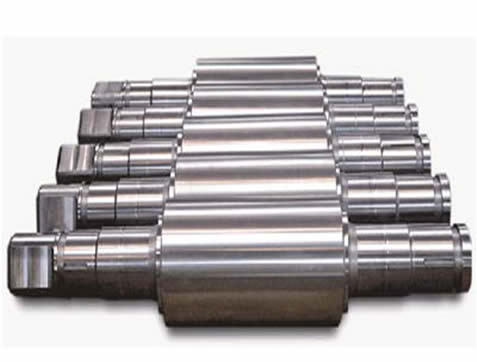
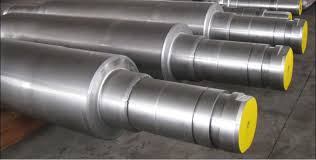
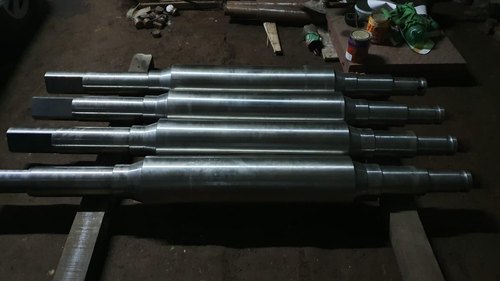
Rolls (Work Rolls & Backup Rolls):