
HOTLINE: +91 851-114-2701
7 listings from verified sellers across India
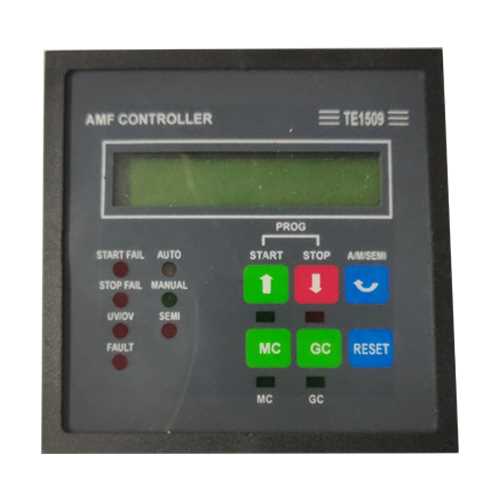
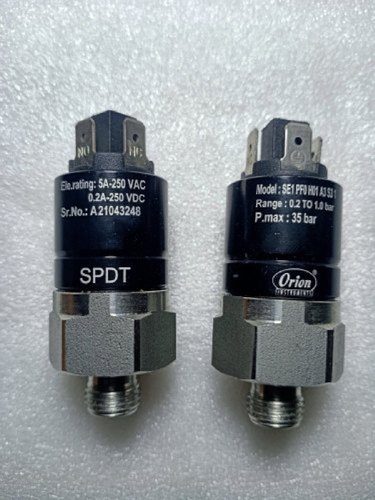
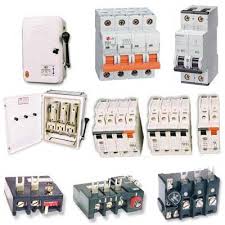
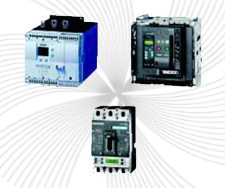
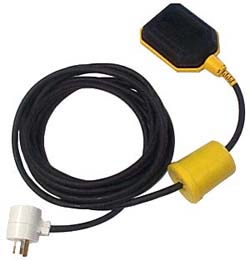
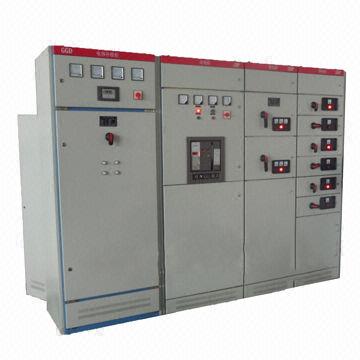
Switches, Switch Gear, Circuit Breakers Relays
These are electrical control and protection devices used in power systems and machinery. A switch is a simple device that opens or closes an electrical circuit. It “responds to an external force to mechanically change an electric signal,” turning circuits ON or OFF. Common switches include toggles, push-buttons, rotary selectors and safety interlocks (for industrial machines). Switchgear refers to the assembly of switches, fuses, circuit breakers and control devices in a power distribution panel. It “controls the flow of electrical power through fault interrupters, circuit breakers and switching devices”. Switchgear is classified by voltage level: low-voltage (<1 kV), medium-voltage (1–35 kV) and high-voltage (>35 kV). A circuit breaker is an automatic switch that interrupts power when an overload or short circuit is detected. Breakers come in many types (miniature for home use, molded-case, oil, SF6 or vacuum types for high-voltage systems). A relay is an electromechanical switch: “an electrically operated switch used to isolate circuits and control a high-power circuit with a low-power signal”. Relays (electromagnetic or solid-state) are used in control panels and protection devices to trigger breakers or switch loads.
Types of Switches, Switch Gears, Circuit Breakers, Relays
Switches: Toggle, push-button, rocker, DIP switches, proximity/magnetic (sensor) switches. Industrial switches include limit switches, selector switches, and PLC input modules.
Switchgear: Classified by application: Low-Voltage (LV) panels (<1kV, e.g. building distribution), Medium-Voltage (MV) substations (1–35kV), and High-Voltage (HV) transmission switchgear (>35kV). It is also categorized by insulation: Air-Insulated Switchgear (AIS) vs Gas-Insulated (using SF6).
Circuit Breakers: Includes Miniature Circuit Breakers (MCB), Molded Case (MCCB), Air Circuit Breakers (ACB), Oil Circuit Breakers (OCB), SF6 Circuit Breakers and Vacuum Circuit Breakers. High-voltage breakers may be oil-immersed or SF6 gas type.
Relays: Electromechanical (coil-driven) vs solid-state (semiconductor) relays. By function: protective relays (overcurrent, differential, distance), time-delay relays, and control relays. Each employs multiple contacts (NO/NC) for switching.
Applications in Various Industries
These components are ubiquitous in electrical systems. Switches are used in control panels and equipment for turning lights, motors and circuits on/off. Switchgear and breakers are used in power distribution (substations, industrial plants, commercial buildings) to control and protect feeders and transformers. For example, MV switchgear with SF6 breakers is common in utility substations. Relays are used in automation and protection: they let a low-voltage control signal (from a sensor or PLC) switch a larger load, and in protection schemes to trip breakers under fault conditions. In summary: switchgear/breakers handle high-power distribution, while switches/relays manage control and signal-level switching in industry and infrastructure.
Material selection Considerations
Electric switchgear components must combine electrical insulation, conductivity and mechanical strength. Conductive parts: Contacts and busbars are typically copper or copper alloys; contact surfaces are often silver or silver alloys for high conductivity and arc resistance. For example, breaker contacts may be silver-plated to handle arcing. Insulating parts: High-dielectric plastics (phenolic resins, epoxy, or pressboard) and ceramics (alumina) are used for insulating frames, spacers and bushings. In LV panels, molded thermoset housings or flame-retardant plastics encase breakers. HV switchgear uses SF6 gas or oil as the dielectric medium (with steel or aluminum tanks). Structural parts: Enclosures and frames are usually sheet steel (powder-coated for corrosion protection). Springs and mechanical linkages: hardened spring steel provides the force for switch operations. Factors include dielectric strength (air vs SF6), thermal stability (no heat-softening of insulators), arc-quenching properties (gas or vacuum), and cost. Overall, materials are chosen to provide excellent insulation and conductivity where needed, while enduring mechanical wear (e.g. robust steels for moving contacts and springs) and ensuring operator safety (flammable-resistant materials).