HOTLINE: +91 851-114-2701
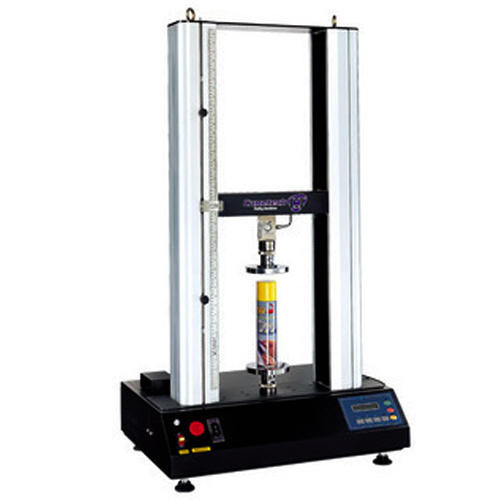
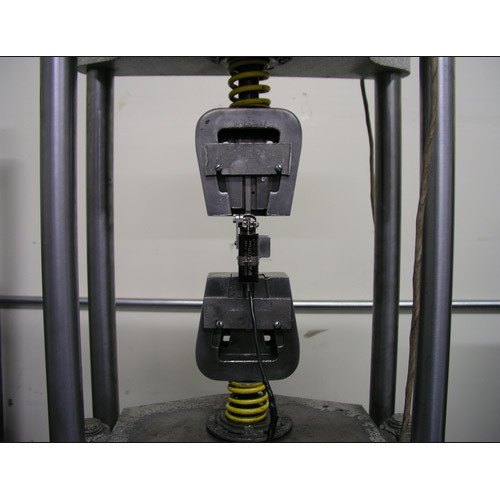
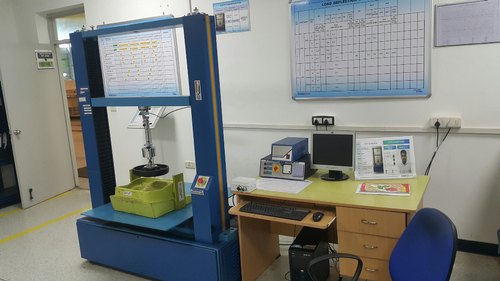
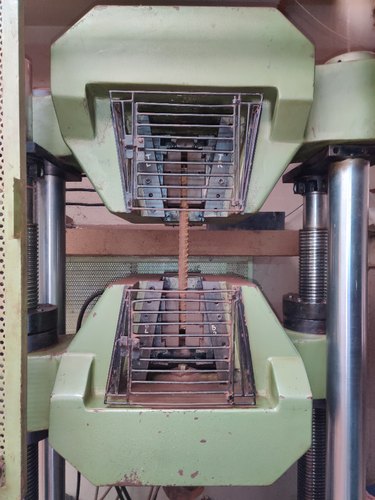
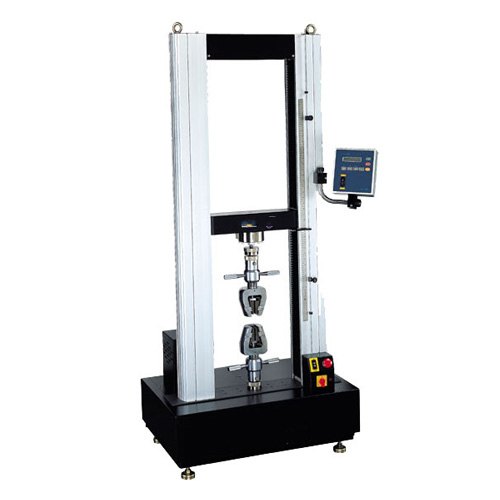
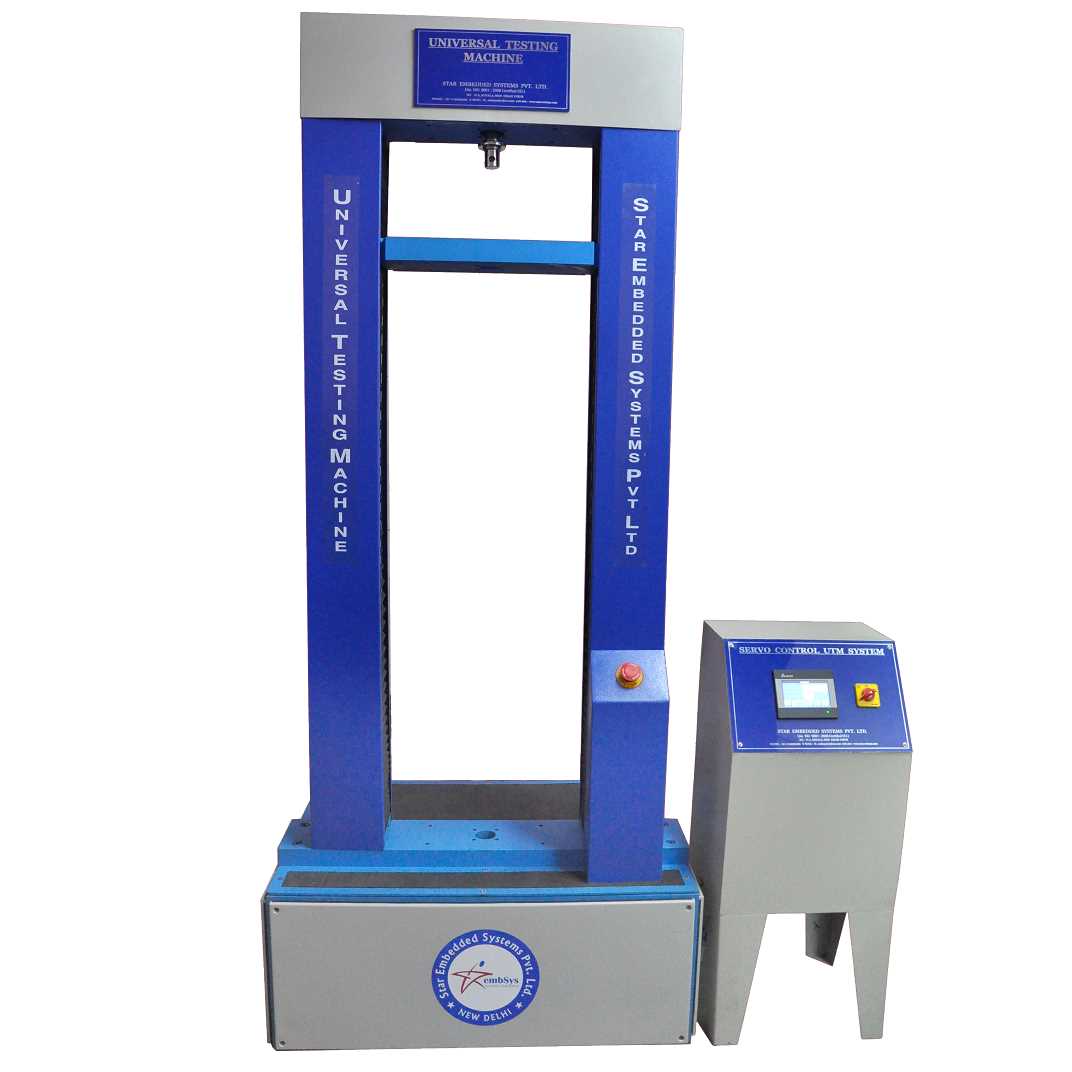
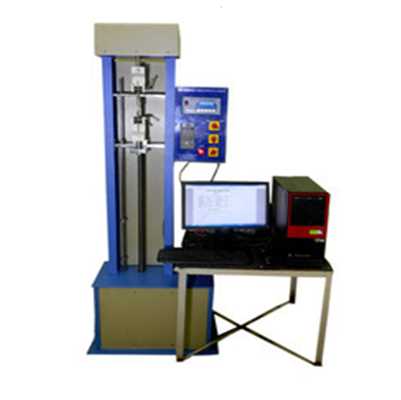
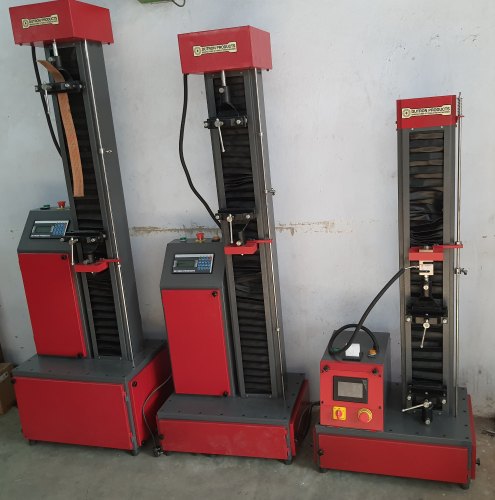
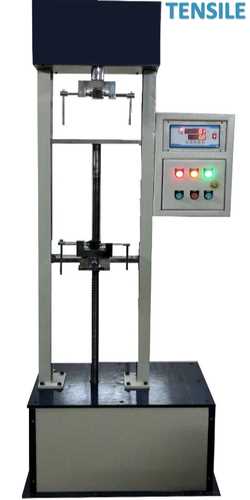
A Tensile Testing Machine (also known as a Universal Testing Machine or UTM) is a specialized instrument used to measure the mechanical properties of materials, including tensile strength, elongation, yield strength, and breaking point. This machine is essential for industries like metals, plastics, textiles, rubber, and composite materials to ensure quality, durability, and compliance with international standards. The machine works by applying a controlled tensile force to a material sample until it elongates or breaks, recording precise measurements of stress and strain. This testing helps manufacturers assess material performance, optimize design, and guarantee product reliability in real-world applications. Core Purpose & Applications • Manual Tensile Testing Machine – Cost-effective for labs and small-scale testing • Low-Capacity Machines (Up to 5 kN) – Suitable for plastics, textiles, and light metals • Benchtop Tensile Testing Machine – Compact, ideal for labs and QC departments Common Technical Specifications Optional Add-ons: As leading Tensile Testing Machine Manufacturers, we provide machines engineered for accuracy, durability, and repeatable performance. Each unit undergoes strict calibration and quality checks to meet international standards, making it ideal for labs, R&D, and industrial testing. • High-precision load cells and extensometers Tensile Testing Machine | Tensile Testing Machine Manufacturers | Universal Testing Machine | Material Testing Machine | Plastic Tensile Tester | Metal Tensile Tester | Load Testing Machine | UTM Machine | Laboratory Tensile Testing Machine | Fully Automatic Tensile Tester | Semi-Automatic Tensile Tester | ASTM Tensile Tester | ISO Tensile Testing Machine | Industrial Tensile Testing Machine | Benchtop Tensile TesterTensile Testing Machine | High-Precision Material Strength Testing Equipment
• Tensile Strength Testing – Measures maximum stress a material can withstand before failure
• Quality Assurance – Ensures compliance with ISO, ASTM & IS standards
• Material Research & Development – Evaluates mechanical properties for new materials
• Design Optimization – Helps engineers select suitable materials for components and products
• Industrial Safety Compliance – Confirms materials can safely handle intended loadsTypes of Tensile Testing Machines
1. Based on Operation Mode
• Semi-Automatic Tensile Testing Machine – Motorized operation with digital display
• Fully Automatic Tensile Testing Machine – PLC-controlled, programmable with auto data logging2. Based on Capacity
• Medium-Capacity Machines (5 kN – 50 kN) – Ideal for metals and medium-strength materials
• High-Capacity Machines (Above 50 kN) – Designed for heavy-duty industrial materials3. Based on Machine Design
• Floor-Mounted Tensile Testing Machine – Heavy-duty for industrial-scale applications
• Load Range: 0.5 kN to 100 kN (customizable)
• Accuracy: ±1% of full scale
• Material: High-strength steel frame with durable load cells
• Control System: Digital or PLC-based touchscreen interface
• Crosshead Speed: 0.1–500 mm/min
• Safety Features: Overload protection, emergency stop, safety guards
– Data logging & reporting software
– Automatic sample grips & extensometersWhy Choose Us as Your Tensile Testing Machine Manufacturer?
• Robust & corrosion-resistant frame
• Easy operation with digital/PLC controls
• Long service life with minimal maintenance
• Available in manual, semi-automatic & fully automatic versions
• Customizable capacities and gripsPerfect for:
Metals • Plastics • Rubber • Textiles • Composite materials • R&D labs • Quality control departmentsPopular Searches
FAQ's
What are key specs to check? Load capacity, speed, accuracy, control system, and grip type.
What are the main types? Electromechanical, hydraulic, manual, and digital machines.
How does it work?
It pulls a specimen until it breaks to measure strength and elongation.
Which materials can be tested? Metals, plastics, rubber, textiles, wires, and composites.
What is a tensile testing machine?
A device that measures how materials behave under pulling (tensile) force.
.jpg)
.jpg)