
HOTLINE: +91 851-114-2701
4 listings from verified sellers across India
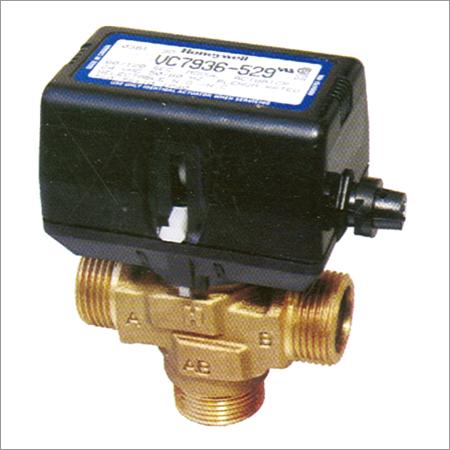
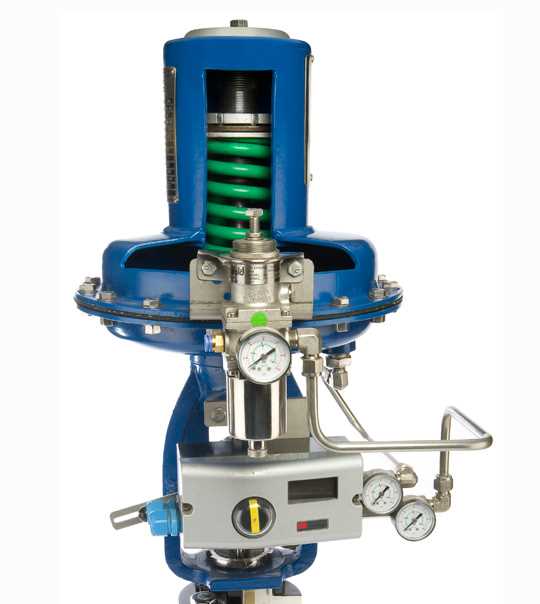
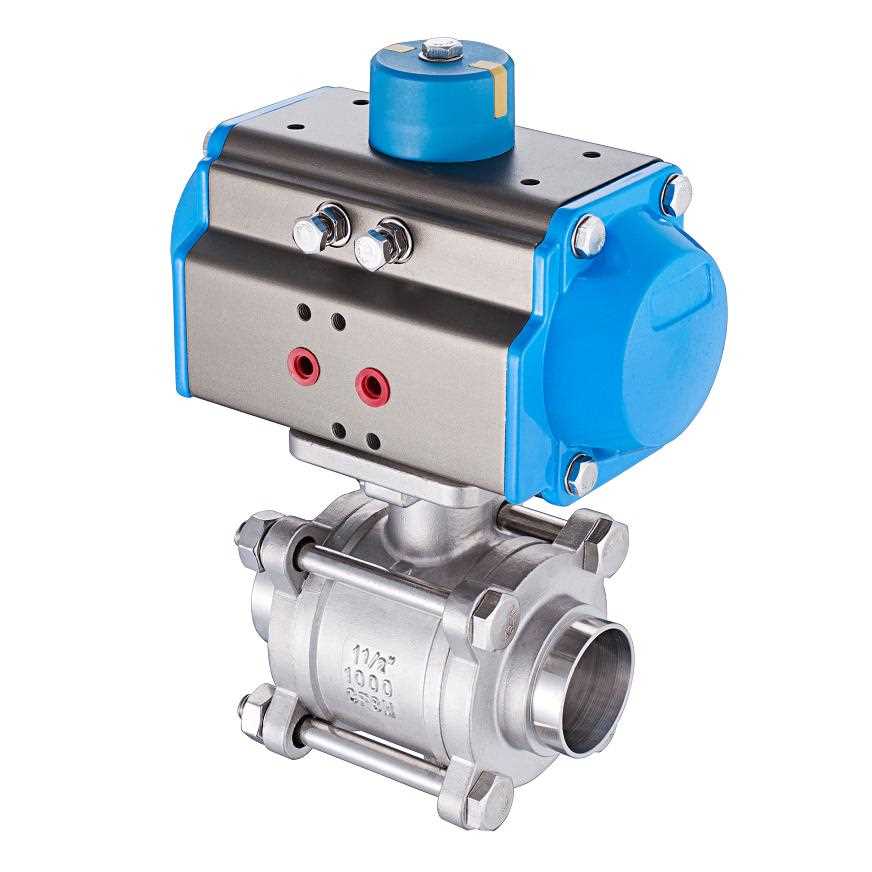
Valve Actuators are essential devices used to automate the operation of valves in industrial systems, enabling precise control of fluid and gas flow. They are widely used in industries such as oil & gas, water treatment, petrochemical, power plants, HVAC, and manufacturing.
Explore quality Valve Actuators on Indian Trade Bird and source reliable solutions for your industrial applications.
Indian Trade Bird connects buyers with verified Valve Actuators manufacturers, suppliers, and exporters , offering a wide range of electric, pneumatic, and hydraulic valve actuators for industries such as oil & gas, water treatment, chemical processing, power plants, and HVAC systems. Compare specifications, connect with trusted suppliers, and request quotes easily on Indian Trade Bird to source reliable Valve Actuators .
Valve Actuators are mechanical or electromechanical devices used to control the opening and closing of valves automatically. Instead of manual operation, valve actuators use electric power, compressed air, or hydraulic pressure to operate valves with accuracy, speed, and consistency. They play a vital role in modern industrial automation by ensuring precise flow control, safety, and efficiency in fluid and gas handling systems.
At Indian Trade Bird, buyers can explore a wide network of verified Valve Actuators manufacturers, suppliers, and exporters , offering reliable solutions for diverse industrial applications.
Valve actuators are available in different types based on their power source and application requirements. Common types include:
Each type of valve actuator offers specific advantages depending on operating pressure, torque requirements, and environmental conditions.
Valve actuators are manufactured using durable materials to withstand harsh industrial environments. Common materials include aluminum alloy housings, stainless steel shafts, cast iron bodies, and corrosion-resistant coatings. Actuators listed on Indian Trade Bird comply with industry standards such as ANSI, DIN, ISO, and IP ratings for protection against dust and moisture.
Manufacturers offer valve actuators in various torque ranges, mounting options, and control features to ensure compatibility with different valve types and automation systems.
Valve actuators are extensively used across multiple industries, including:
These actuators help improve operational efficiency, reduce manual effort, enhance safety, and support continuous process control.
Indian Trade Bird is a trusted B2B marketplace designed to simplify industrial sourcing. By choosing Indian Trade Bird for Valve Actuators , buyers benefit from:
The platform enables buyers to connect directly with manufacturers and exporters, ensuring transparency and competitive pricing.
If you are looking to source high-quality Valve Actuators, Indian Trade Bird offers a comprehensive directory of reliable suppliers across India. Whether you need electric, pneumatic, or hydraulic valve actuators, you can find solutions that meet your technical and operational requirements.
Explore the Valve Actuators category on Indian Trade Bird to compare products, review specifications, and request quotes from experienced manufacturers — all in one place.
Popular Search
Valve Actuators | Valve Actuators Manufacturer | Top Valve Actuators | Valve Actuators Price | Best Valve Actuators | Best Valve Actuators Manufacturers | Heavy-Duty Valve Actuators Exporters | Buy Valve Actuators Online | Top 10 Valve Actuators | Valve Actuators Supplier | Control Valve Actuators | Types of Valve Actuators | Actuator Valves at Best Price | Actuator Valves Retailers | Actuator Valves Dealers | Valve Actuators Working Principle
Everything you need to know about Valve Actuators