
HOTLINE: +91 851-114-2701
13 listings from verified sellers across India
Vertical Machining Center (VMC)
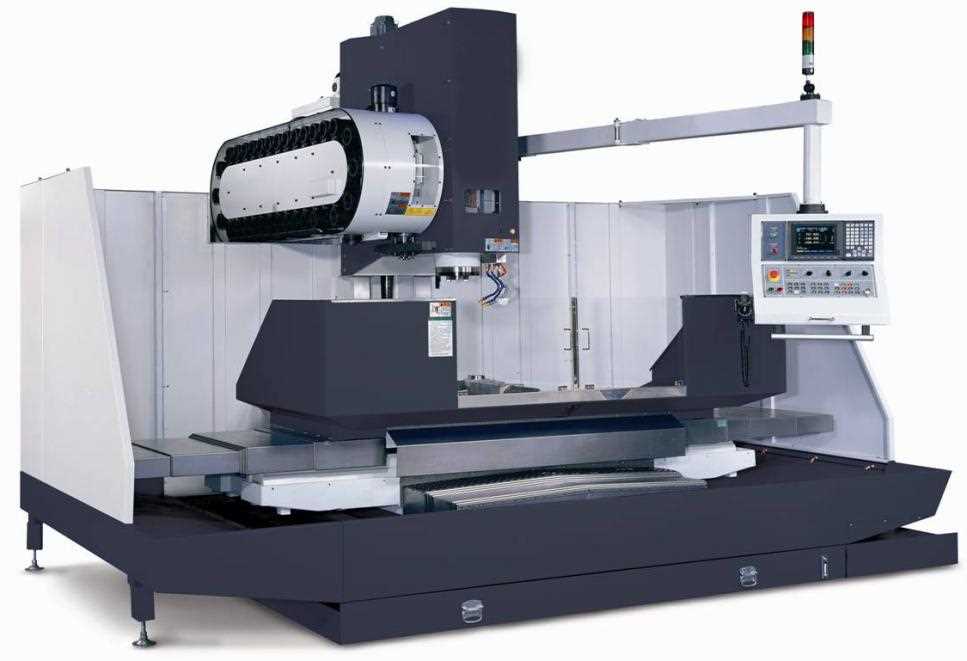
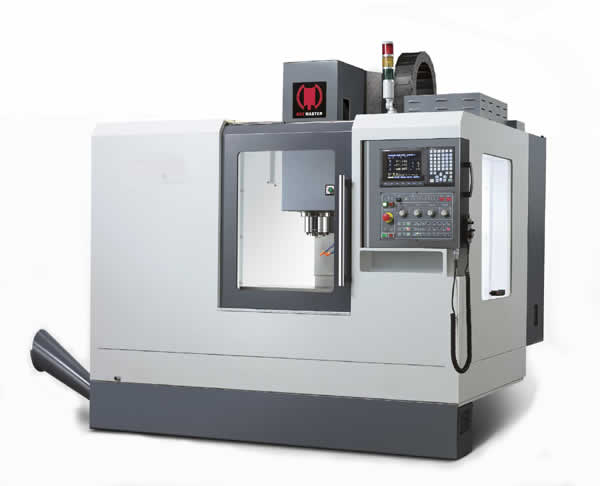
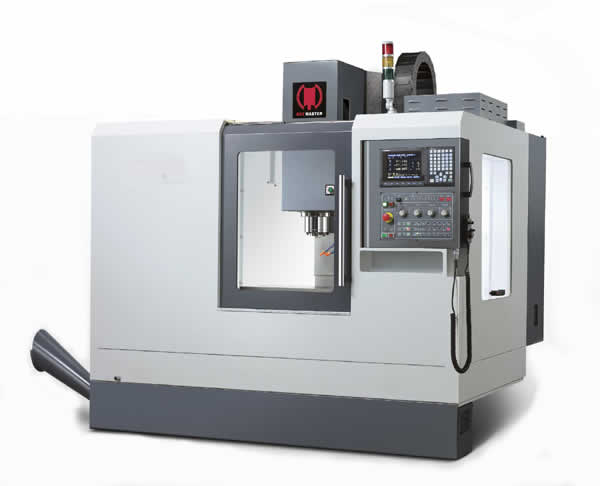
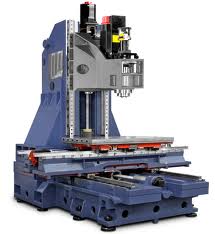
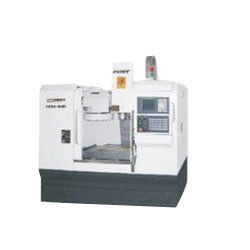
A Vertical Machining Center (VMC) is a type of CNC (Computer Numerical Control) milling machine where the cutting tool is mounted on a vertical spindle. The spindle moves along the Z-axis (up and down), and the workpiece typically moves on an X-Y table below it. VMCs are highly versatile and widely used for machining flat parts, mold making, and general-purpose milling, drilling, and tapping operations.
Types of Vertical Machining Center (VMC)
3-Axis VMCs: Standard VMCs with movement along X, Y, and Z axes. Most common type.
4-Axis VMCs: Include a rotary axis (A-axis or B-axis) in addition to the X, Y, Z, allowing for machining on multiple faces of a workpiece without re-fixturing.
5-Axis VMCs: Possess two rotary axes in addition to the X, Y, Z, enabling highly complex geometries, simultaneous contouring, and single-setup machining of intricate parts.
High-Speed Machining (HSM) VMCs: Designed for high spindle speeds and rapid traverse rates, often used for mold making and light material removal.
Heavy-Duty VMCs: Built with robust structures and high-power spindles for machining tough materials and heavy cuts.
Drill/Tap Centers: Smaller VMCs optimized for high-speed drilling and tapping.
Double Column VMCs: Feature two columns supporting the cross rail for increased rigidity and stability, suitable for large workpieces.
Applications in Various Industries
Mold & Die Industry: Manufacturing molds for plastic injection molding, die casting, and forging, often requiring complex 3D contouring.
Automotive Industry: Producing prototypes, fixtures, jigs, and small to medium-sized production parts.
Aerospace & Defense: Machining complex components from exotic alloys, brackets, structural parts.
Medical Devices: Creating surgical implants, instruments, and orthopedic components with high precision.
General Manufacturing: Prototyping, small batch production, and mass production of various mechanical parts.
Job Shops: Versatile machines for a wide range of machining tasks.
Technology:
CNC Control System: Brain of the machine, interpreting G-code and M-code for precise control of axes, spindle, and tool changes.
Spindle: A key component, housing the cutting tool, offering high speed and power. Can be belt-driven, gear-driven, or direct-drive.
Automatic Tool Changer (ATC): Allows the machine to automatically swap cutting tools from a tool magazine, minimizing downtime.
Linear Guide Ways & Ball Screws: Provide precise, low-friction movement along each axis.
Feedback Systems: Encoders or glass scales provide position feedback to the CNC control, ensuring high accuracy.
Coolant System: Delivers cutting fluid to the tool-workpiece interface to cool, lubricate, and flush chips.
Machine Structure: Designed for high rigidity and vibration damping (e.g., heavy cast iron construction, robust linear guides).
Software: CAD/CAM software for part design and programming, simulation software.
Material Selection Considerations
Machine Bed/Base & Column: