
HOTLINE: +91 851-114-2701
10 listings from verified sellers across India
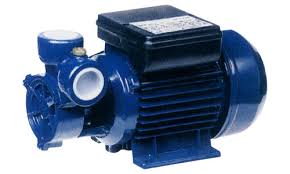
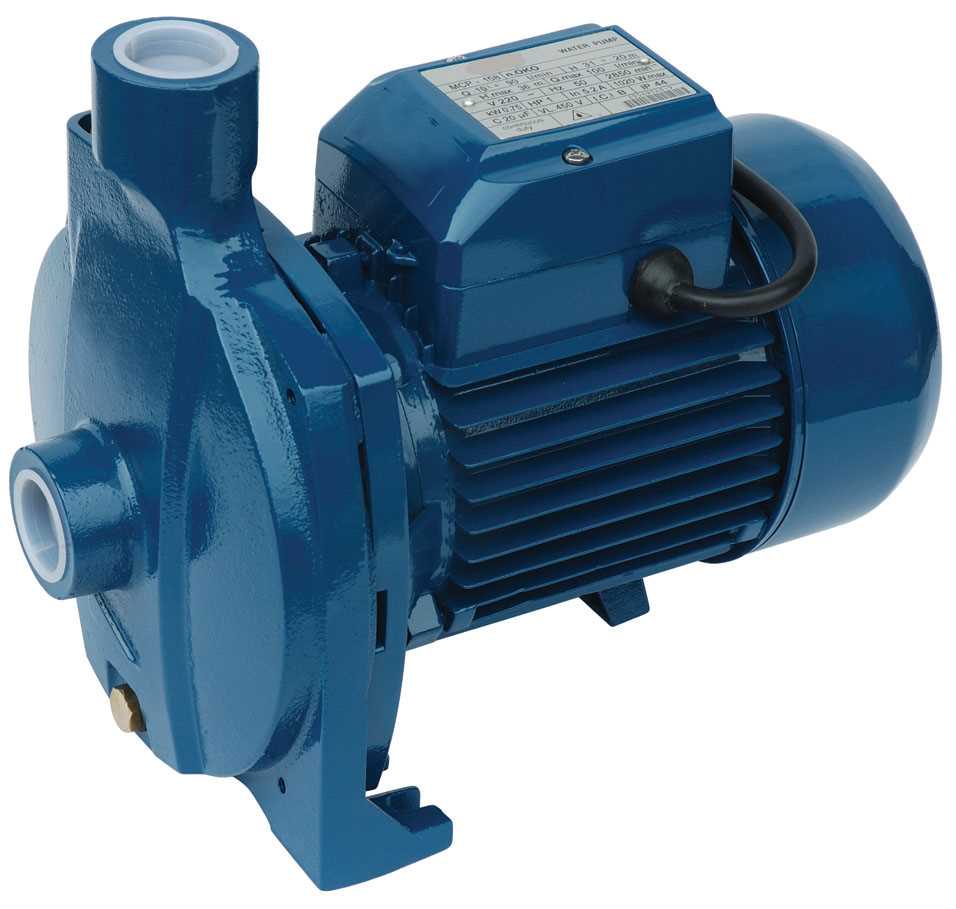
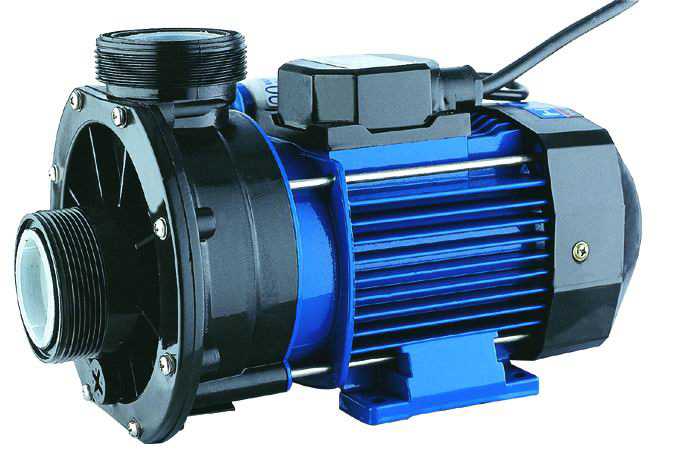
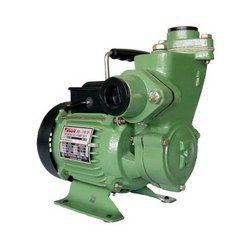
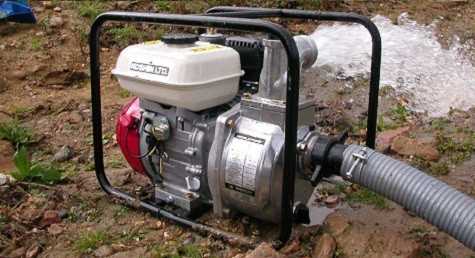

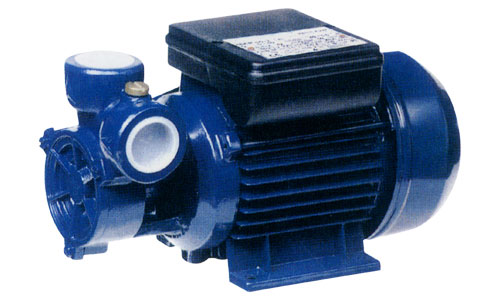

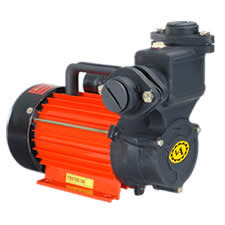
Water Pumps
A water pump is a mechanical device used to move water from one place to another, typically by creating a pressure difference. They are essential for a vast array of applications, from domestic water supply to large-scale industrial and agricultural operations.
Types of Water Pumps
Centrifugal Pumps:
Volute Pumps: Most common type, liquid enters the impeller axially and exits radially into a volute casing.
Turbine Pumps: Have diffusers around the impeller to convert kinetic energy to pressure, suitable for high head applications.
Submersible Pumps: Designed to be fully submerged in the fluid, often used in wells or sumps.
Multistage Pumps: Use multiple impellers to generate higher pressures.
Self-Priming Pumps: Can draw water from below the pump level without external priming.
Positive Displacement Pumps:
Reciprocating Pumps (Piston, Plunger, Diaphragm): Use a back-and-forth motion to displace fixed volumes of fluid, suitable for high pressure, low flow.
Rotary Pumps (Gear, Vane, Screw): Use rotating elements to trap and move fluid, suitable for viscous liquids.
Peristaltic Pumps: Use rollers to compress a flexible tube, ideal for sensitive or corrosive fluids.
Specialized Pumps:
Booster Pumps: Increase water pressure in a system.
Circulator Pumps: For closed-loop systems like heating or cooling.
Sump Pumps: Remove water from basements or low-lying areas.
Sewage Pumps: Designed to handle solids in wastewater.
Application in Various Industries
Domestic & Commercial: Water supply, drainage, heating systems (circulator pumps), garden irrigation, washing machines.
Agriculture: Irrigation (sprinkler, drip), dewatering, transferring water for livestock.
Industrial:
Process Water: Moving water for various industrial processes (cooling, cleaning).
Wastewater Treatment: Pumping raw sewage, treated effluent, sludge.
Chemical Processing: Transferring chemicals (specialized pumps for corrosive fluids).
Oil & Gas: Water injection for enhanced oil recovery, produced water handling.
Mining: Dewatering mines, slurry transport.
Construction: Dewatering construction sites, concrete mixing.
Firefighting: High-pressure pumps for fire suppression.
Material Selection Considerations
Casing & Impeller:
Seals:
Bearings: Ball bearings or sleeve bearings, typically made of hardened steel or bronze.
Elastomers: EPDM, Viton, Buna-N for gaskets and O-rings, selected based on fluid compatibility and temperature.
Coatings: Epoxy or ceramic coatings can be applied to internal surfaces for added corrosion or abrasion resistance.