
HOTLINE: +91 851-114-2701
1 listings from verified sellers across India
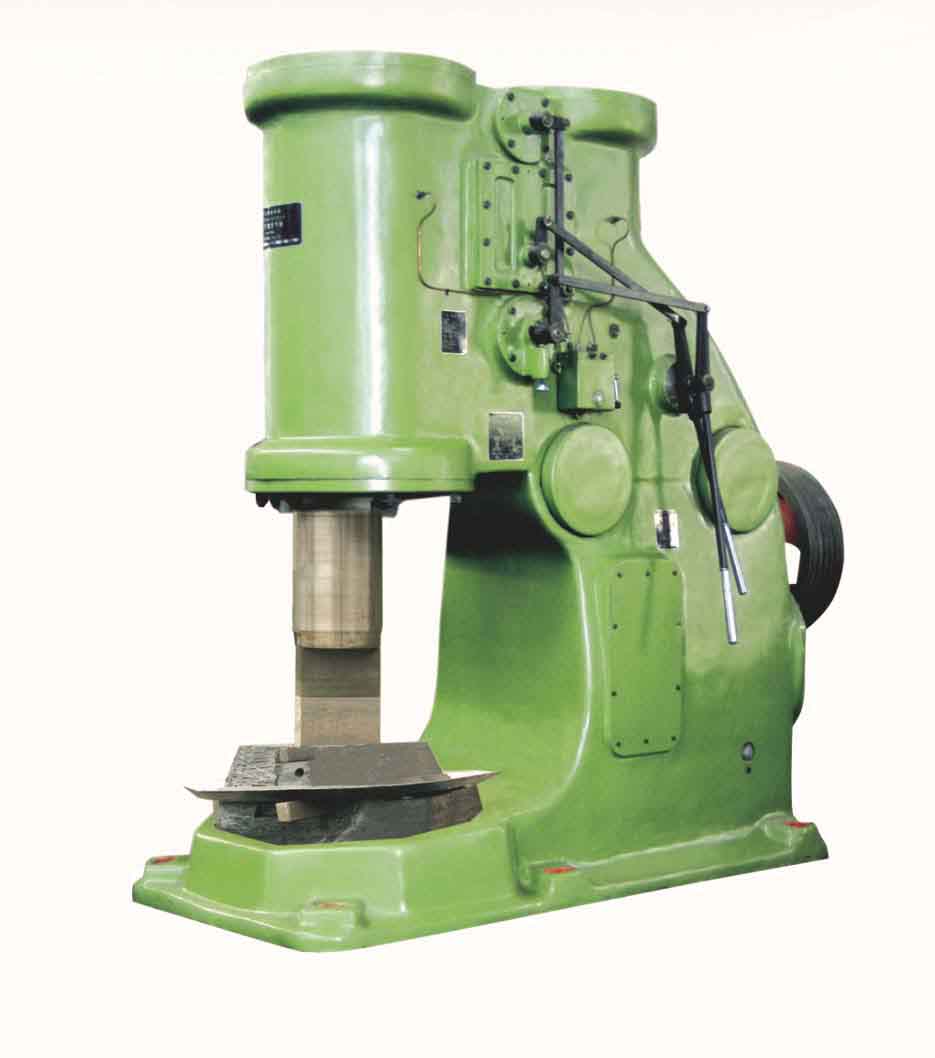
Dies Castings & Forgings
Dies are specialized tools used in manufacturing processes to shape materials through forming, cutting, or pressing.
Die Casting: A metal casting process that is characterized by forcing molten metal under high pressure into a mold cavity (the die). The dies are typically reusable, enabling high-volume production of parts with intricate details and good surface finish.
Forging: A manufacturing process involving the shaping of metal using localized compressive forces, typically applied by hammers, presses, or dies. It strengthens the metal by refining its grain structure.
Types of Casting & Forgings
Casting Dies: For die casting (e.g., molds for aluminum, zinc, magnesium parts).
Forging Dies: For shaping metal billets (e.g., closed-die forging, open-die forging).
Stamping/Punching Dies: For cutting, bending, forming sheet metal (e.g., progressive dies, compound dies).
Extrusion Dies: For creating continuous profiles by forcing material through a shaped opening.
Powder Compaction Dies: For compacting powders into desired shapes.
Plastic Injection Molds: While similar in principle, they are specific to plastics.
Castings (Products made by Die Casting):
Aluminum Die Castings: Widely used for automotive parts (engine blocks, transmission housings), electronic enclosures, consumer goods.
Zinc Die Castings: Excellent dimensional stability, thin wall capability, used for intricate parts, hardware, and automotive components.
Magnesium Die Castings: Lightweight, used in automotive, aerospace, and electronics.
Brass Die Castings: Good corrosion resistance, used for plumbing fixtures, decorative items.
Forgings (Products made by Forging):
Steel Forgings: High strength and toughness, used for crankshafts, connecting rods, gears, hand tools, structural components.
Aluminum Forgings: Lightweight and strong, used in aerospace, automotive (wheels, suspension components).
Titanium Forgings: Excellent strength-to-weight ratio, used in aerospace and medical implants.
Nickel Alloy Forgings: High temperature and corrosion resistance, used in jet engines.
Applications in Various Industries
Automotive: Engine components, chassis parts, wheels (castings and forgings), transmission housings (castings), brake calipers (castings/forgings).
Aerospace: Structural components, turbine blades (forgings), housings (castings).
Electronics: Heat sinks, enclosures (castings).
Industrial Machinery: Gears, shafts, levers, connecting rods (forgings), complex machine parts (castings).
Medical: Surgical instruments, implants (forgings, castings).
Consumer Goods: Appliance parts, power tool housings, hardware (castings).
Material Selection Considerations
For Castings (the products):
For Forgings (the products):