
HOTLINE: +91 851-114-2701
2 listings from verified sellers across India
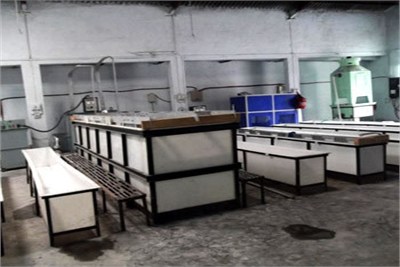
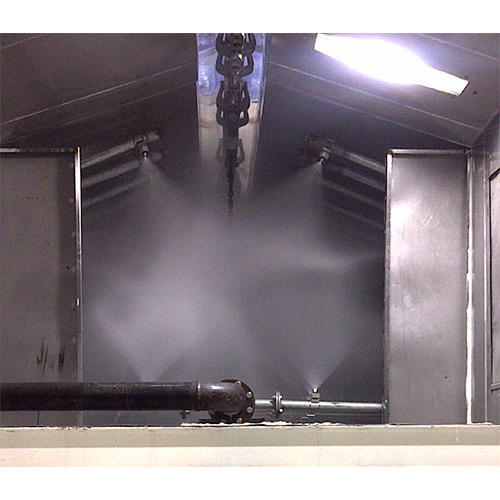
Surface Coating & Paint Equipment
Surface coating and paint equipment encompasses a wide array of machinery and tools used to apply a protective or decorative layer (paint, coating, finish) onto various substrates. This equipment ranges from simple handheld spray guns to complex automated lines, designed to achieve uniform application, desired thickness, and quality finishes.
Types of Surface Coating & Paint Equipment
Preparation Equipment:
Pre-treatment Systems: Washers, degreasers, phosphate baths for surface cleaning and preparation.
Blasting Equipment: Sandblasting, shot blasting for surface profiling.
Drying Ovens/Curing Ovens: For drying pre-treated parts or curing applied coatings.
Application Equipment:
Spray Guns:
Conventional/Air Spray: Uses compressed air to atomize paint.
HVLP (High Volume Low Pressure): More efficient, less overspray.
Airless Spray: High pressure, no compressed air, for heavy coatings.
Electrostatic Spray: Charges paint particles, attracting them to grounded workpiece, for high transfer efficiency.
Powder Coating Guns: For applying dry powder coatings.
Robotic Painting Systems: Automated arms with spray guns for high precision and repeatability.
Dip Coating Systems: Immersing parts into a paint tank.
Flow Coating Systems: Paint flows over the part.
Roll Coaters: For applying coatings to flat sheets (e.g., metal coils, wood panels).
Curtain Coaters: Applies a continuous curtain of liquid coating onto flat parts.
Finishing Equipment:
Paint Booths/Spray Booths: Enclosed, ventilated areas for safe paint application.
Curing Ovens/Infrared Curing: For drying and hardening liquid paints or curing powder coatings.
Conveyor Systems: For moving parts through the various stages of the coating process.
Filtration Systems: For air purification in booths and paint recycling.
Applications in Various Industries
Automotive Industry: Painting car bodies, parts, and accessories for aesthetics and corrosion protection. Highly automated lines.
Aerospace & Defense: Applying specialized coatings for corrosion resistance, stealth, or thermal protection.
Industrial Manufacturing: Coating machinery, equipment, tools, and components for durability and appearance.
Construction: Painting structural steel, architectural elements, roofing materials.
Woodworking & Furniture: Applying stains, lacquers, paints, and clear coats to furniture, cabinets, and flooring.
Appliance Manufacturing: Coating washing machines, refrigerators, ovens.
Marine Industry: Applying protective coatings to ships and offshore structures.
Technology:
Fluid Dynamics: Understanding paint atomization, flow, and adhesion.
Electrostatic Principles: For high transfer efficiency in spray painting.
Robotics & Automation: For consistent, high-quality application and increased throughput.
Ventilation & Air Filtration: Critical for operator safety and preventing contamination.
Curing Technology: Thermal ovens, infrared heaters, UV curing lamps for faster drying and hardening.
PLC Control Systems: For managing entire coating lines, process parameters, and safety interlocks.
Paint Recovery Systems: For powder coating, to reclaim oversprayed powder.
Material Selection Considerations
Nozzles & Needles: Hardened stainless steel, carbide, or specialized alloys for wear resistance against abrasive paints.
Body: Aluminum, stainless steel, or durable plastics.
Seals & Gaskets: PTFE, Viton, or other solvent-resistant elastomers.