
HOTLINE: +91 851-114-2701
2 listings from verified sellers across India
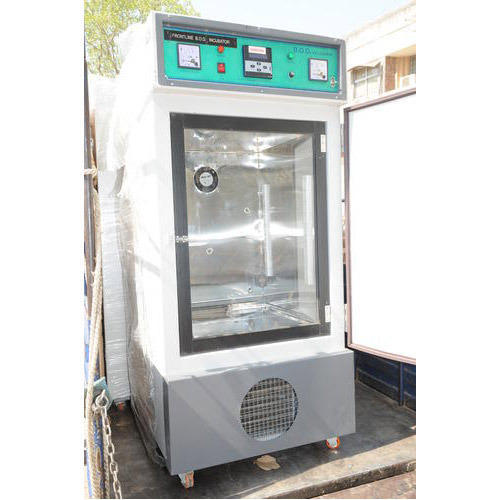
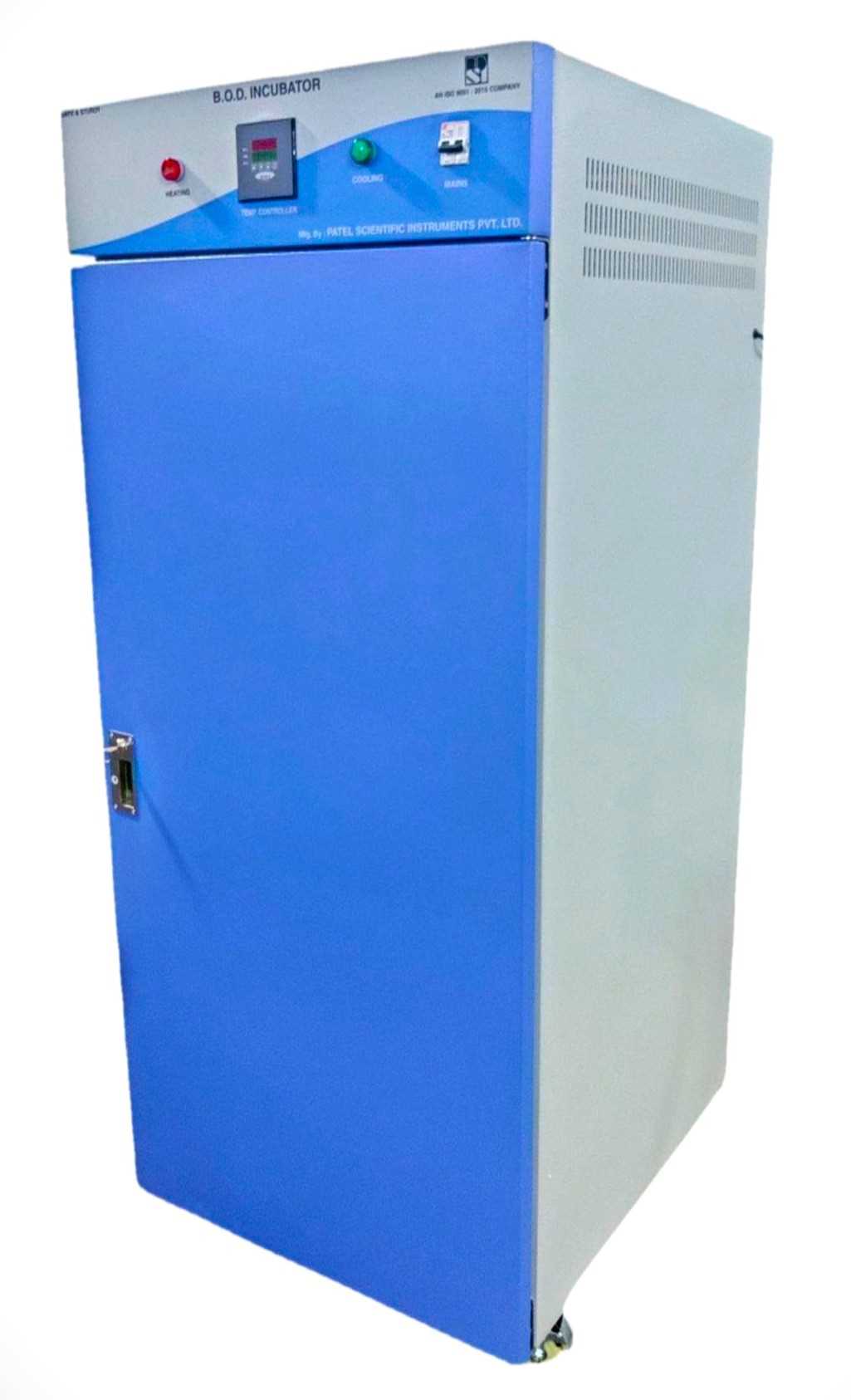
BOD Incubator
A specialized laboratory incubator designed to maintain a precise and stable temperature environment, typically between 20°C and 25°C, for the biochemical oxygen demand (BOD) test, which measures the amount of oxygen consumed by microorganisms in a water sample.
Types of BOD Incubator
Standard BOD Incubators: Basic models offering temperature control for BOD tests.
Refrigerated BOD Incubators: Essential for maintaining temperatures below ambient (e.g., 20°C for standard BOD).
Programmable BOD Incubators: Allow for multiple temperature setpoints and cycles for various applications.
Large Capacity BOD Incubators: For high-volume testing, often with multiple shelves.
Illuminated BOD Incubators: With internal lighting for plant growth studies or other applications (though not strictly for BOD).
Applications in Various Industries
Environmental Laboratories: Primary application for BOD testing of water and wastewater samples.
Water Treatment Plants: Quality control and compliance monitoring.
Food & Beverage Industry: Microbiological testing, shelf-life studies.
Pharmaceutical Industry: Stability testing of drugs and chemicals.
Research & Development: Microbiology, biotechnology, cell culture (where precise low temperature control is needed).
Technology:
Precise Temperature Control: PID microprocessor control for tight temperature uniformity and stability.
Refrigeration System: Compressor-based cooling for maintaining temperatures below ambient.
Forced Air Circulation: Internal fan for uniform temperature distribution.
Inner Glass Door: Allows observation of samples without disturbing the internal environment.
Digital Display & Controls: For easy setting and monitoring.
Safety Features: Over-temperature protection, alarm systems.
Data Logging: Some models offer data recording capabilities.
Material Selection Considerations