Concrete Testing Equipment | Concrete Testing Equipment Manufacturers Concrete Testing Equipment comprises specialized instruments used to evaluate the strength, durability, workability, and quality of concrete during construction and infrastructure development. These testing systems are essential for ensuring structural safety, quality control, and compliance with national and international standards such as IS, ASTM, and ISO.
At Indian Trade Bird, we connect buyers with verified Concrete Testing Equipment Manufacturers and suppliers In Ahmedabad, enabling construction companies, laboratories, and engineers to compare equipment types, specifications, testing standards, and pricing to select reliable solutions for laboratory and on-site testing applications.
Key Features & Advantages of Concrete Testing Equipment Accurate & Reliable Results: Ensures precise measurement of concrete properties Compliance with Standards: Designed to meet IS, ASTM, BS, and ISO norms Robust & Durable Design: Suitable for laboratory and field conditions Wide Testing Capability: Covers fresh and hardened concrete testing Easy Operation: User-friendly controls with minimal training required Long Service Life: Built for continuous use in demanding environments
Applications of Concrete Testing Equipment Construction sites and infrastructure projects Quality control and material testing laboratories Ready-mix concrete plants Civil engineering colleges and research institutions Government and private inspection agencies
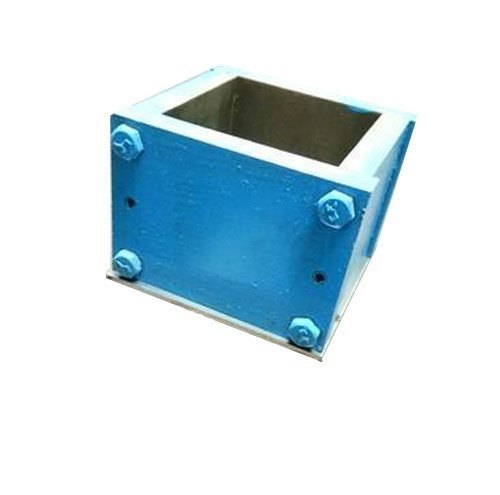
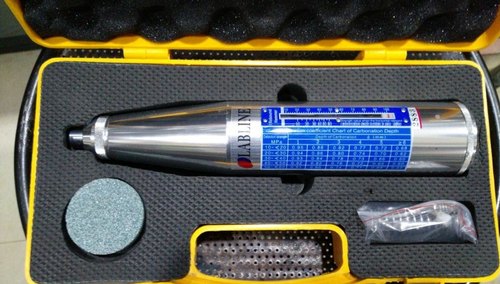
Types of Concrete Testing Equipment Available Fresh Concrete Testing Equipment Slump Test Apparatus Compaction Factor Apparatus Vee-Bee Consistometer Flow Table Test Equipment Hardened Concrete Testing Equipment Compression Testing Machine (CTM) Cube, Cylinder & Beam Testing Machines Flexural Strength Testing Machines Rebound Hammer & Ultrasonic Pulse Velocity Tester Cement & Aggregate Testing Equipment Vicat Apparatus Sieves & Sieve Shakers Los Angeles Abrasion Testing Machine Aggregate Impact & Crushing Value Apparatus
How to Choose the Right Concrete Testing Equipment Type of Test: Fresh concrete, hardened concrete, cement, or aggregates Testing Standards: IS, ASTM, BS, or project-specific requirements Testing Capacity: Load capacity based on sample size and strength Automation Level: Manual, semi-automatic, or fully automatic systems After-Sales Support: Calibration services, spares availability, and warranty
Why Buy Concrete Testing Equipment via Indian Trade Bird? Verified Concrete Testing Equipment Manufacturers In Ahmedabad Wide Equipment Selection: Laboratory and site testing solutions Trusted Indian Suppliers: Faster delivery and local service support Detailed Listings: Technical specifications, certifications, and supplier profiles Direct Buyer–Manufacturer Contact: Simplified sourcing and negotiation
Safety & Usage Guidelines Follow manufacturer instructions and safety protocols Ensure regular calibration for accurate test results Use proper handling methods for heavy equipment Maintain clean and well-organized testing areas Perform routine maintenance to extend equipment life
Popular Searches on Indian Trade Bird Concrete Testing Equipment Manufacturers | Concrete Compression Testing Machine | Slump Test Apparatus | Cube Testing Machine | Cement Testing Equipment | Aggregate Testing Equipment | Construction Material Testing Equipment
Find Reliable Concrete Testing Equipment Manufacturers In Ahmedabad Indian Trade Bird offers a curated range of Concrete Testing Equipment from trusted Indian manufacturers, suitable for construction companies, testing laboratories, infrastructure projects, and educational institutions. Our platform allows buyers to compare products, verify supplier credibility, and select equipment that delivers accurate, repeatable, and standards-compliant test results.
Choosing the right Concrete Testing Equipment ensures structural safety, quality assurance, and long-term project reliability. Explore Indian Trade Bird today to connect with verified Concrete Testing Equipment Manufacturers and source dependable testing solutions for your construction and quality control needs.
Everything you need to know about concrete testing equipment
Yes, portable devices like rebound hammers (Schmidt hammers) and ultrasonic pulse velocity testers are available for field use.
A CTM measures the compressive strength of concrete specimens such as cubes and cylinders. It’s one of the most essential machines in any concrete testing setup.
It is widely used by construction companies, quality control labs, civil engineering departments, RMC plants, cement manufacturers, and educational institutions.
Common tests include compressive strength, flexural strength, slump (workability), air content, setting time, permeability, and ultrasonic pulse velocity (non-destructive testing).
Concrete testing equipment is used to assess the quality, strength, and durability of concrete. It ensures compliance with industry standards and confirms the suitability of concrete for construction applications.