
HOTLINE: +91 851-114-2701
2 listings from verified sellers across India
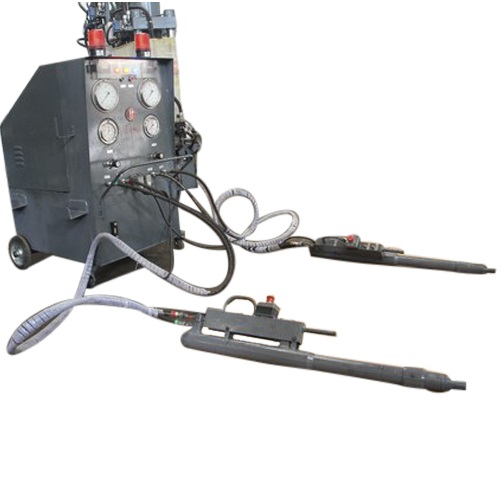
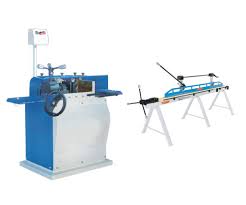
Hydraulic Machines
Hydraulic machines utilize pressurized fluid (typically oil) to generate, transmit, and control power. They operate on Pascal's principle, where pressure applied to an enclosed fluid is transmitted undiminished to every portion of the fluid and the walls of the containing vessel. This allows for the multiplication of force, enabling these machines to perform heavy-duty tasks with precision and efficiency.
Types of Hydraulic Machines
Hydraulic Presses: Use hydraulic cylinders to apply compressive force for forming, stamping, forging, and pressing materials.
Hydraulic Cylinders: Linear actuators that convert hydraulic energy into linear mechanical force and motion. Single-acting and double-acting types.
Hydraulic Motors: Rotary actuators that convert hydraulic energy into rotational mechanical force and motion.
Hydraulic Pumps: (Detailed below in "Hydraulic Pumps") Generate the flow and pressure of the hydraulic fluid.
Hydraulic Valves: Control the direction, pressure, and flow rate of hydraulic fluid (e.g., directional control valves, pressure relief valves, flow control valves).
Hydraulic Accumulators: Store hydraulic energy under pressure to absorb shocks, maintain pressure, or provide auxiliary power.
Hydraulic Filters: Remove contaminants from the hydraulic fluid to protect components.
Hydraulic Power Units (HPUs): Self-contained systems comprising a motor, pump, reservoir, and controls, providing hydraulic power to a system.
Hydraulic Lifting Equipment: Jacks, lifts, forklifts, cranes.
Hydraulic Tools: Breakers, cutters, crimpers, wrenches.
Applications in Various Industries
Construction Industry: Excavators, bulldozers, cranes, loaders, concrete pumps, piling rigs. Essential for heavy lifting, digging, and material handling.
Manufacturing and Metalworking: Hydraulic presses for stamping, bending, forging, injection molding machines for plastics, clamping systems in CNC machines. Precision control and high force are key.
Automotive Industry: Power steering systems, braking systems (ABS), suspension systems, hydraulic lifts for vehicle maintenance.
Aerospace Industry: Landing gear retraction, flight control surfaces, braking systems. Reliability and precision are paramount.
Marine and Offshore: Steering gear, winches, cranes, mooring systems, propulsion systems on ships and offshore platforms.
Mining Industry: Hydraulic shovels, rock breakers, roof support systems.
Agriculture: Tractors, harvesters, implements like Plows and loaders.
Material Handling: Forklifts, pallet jacks, scissor lifts.
Waste Management: Baling machines, compactors.
Technology Trends: Increased energy efficiency through variable displacement pumps and intelligent control systems, use of biodegradable hydraulic fluids, miniaturization, and integration with electronic controls (electro-hydraulics) for enhanced precision and automation. Predictive maintenance through sensor integration.
Material Selection Considerations