
HOTLINE: +91 851-114-2701
17 listings from verified sellers across India

.jpeg)
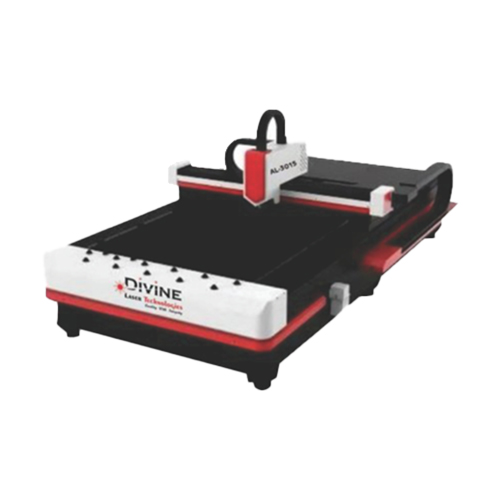
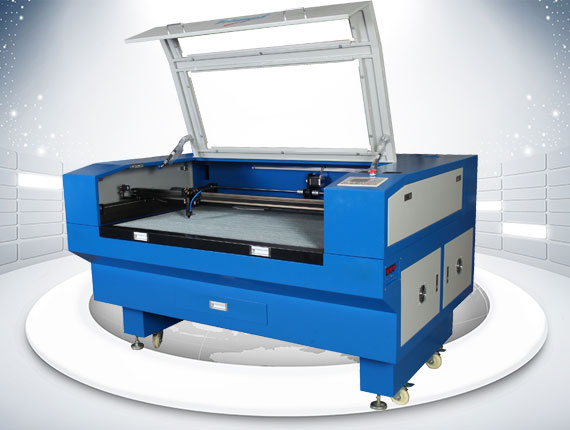
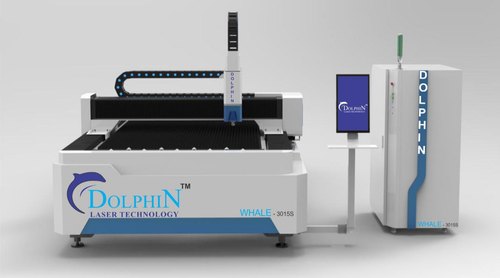
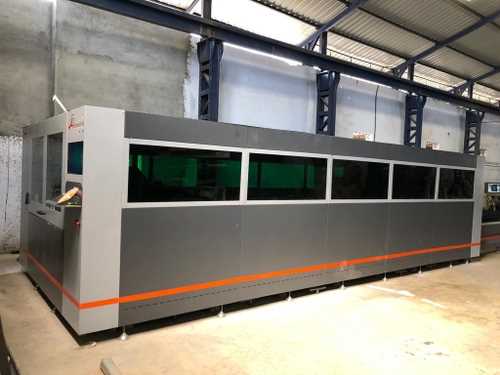
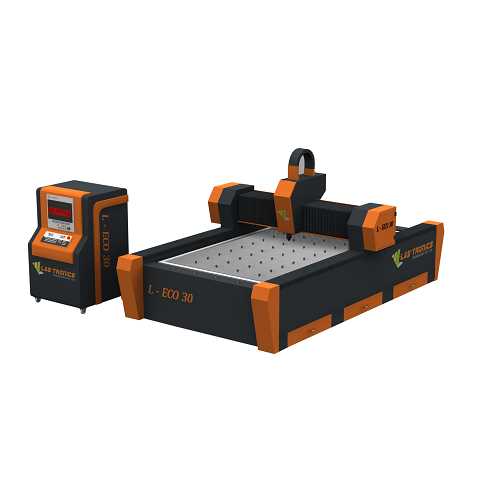
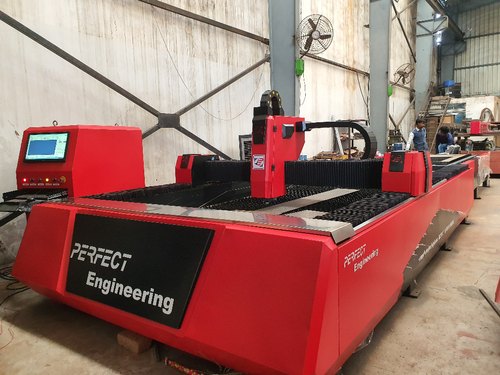
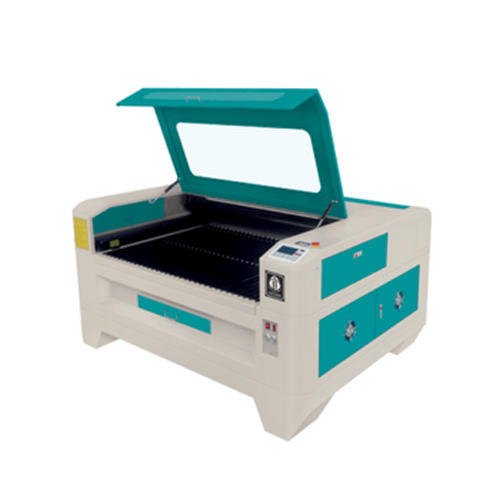
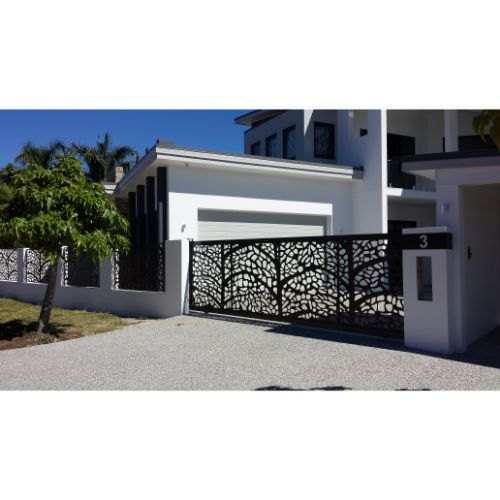
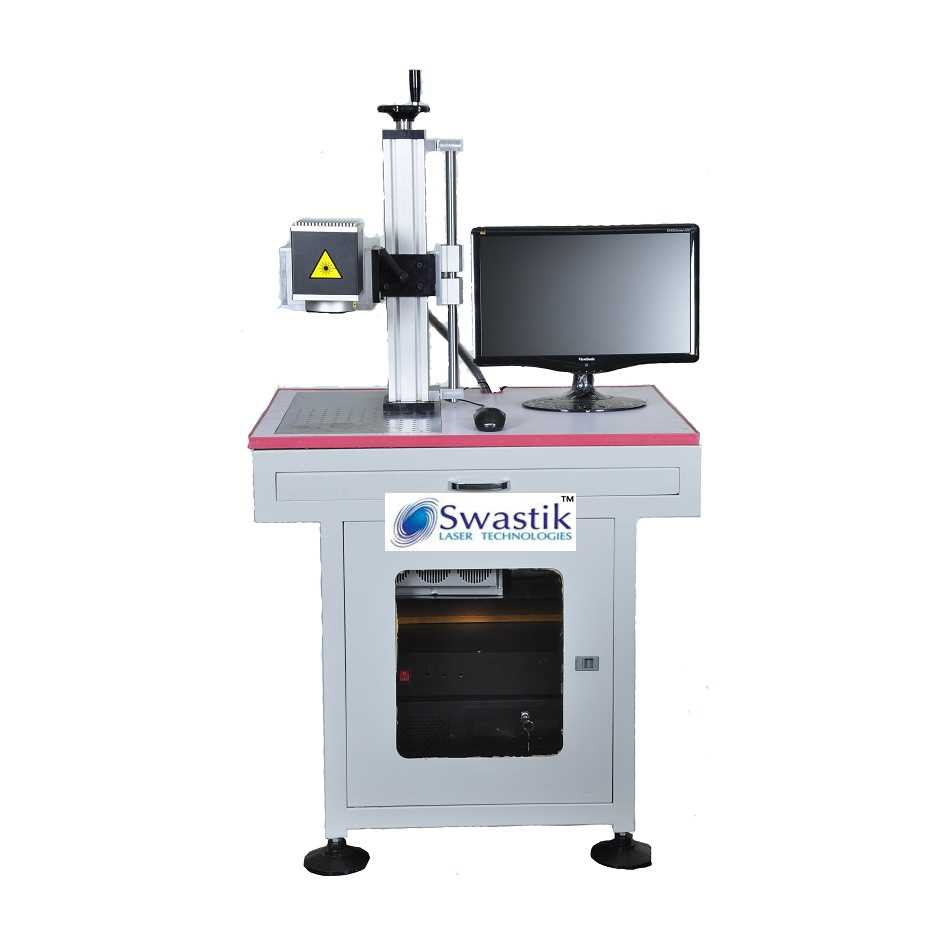
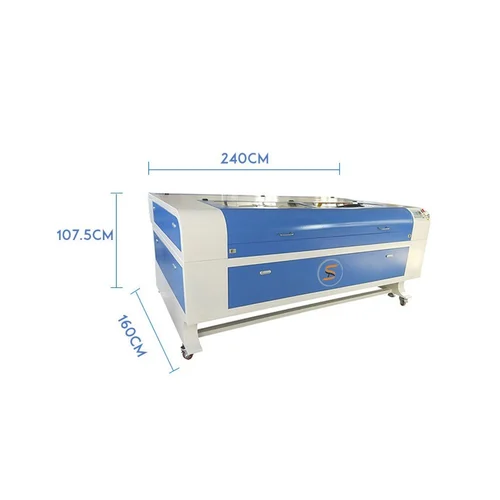
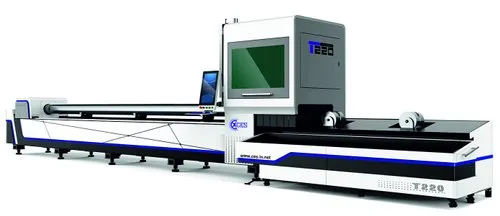
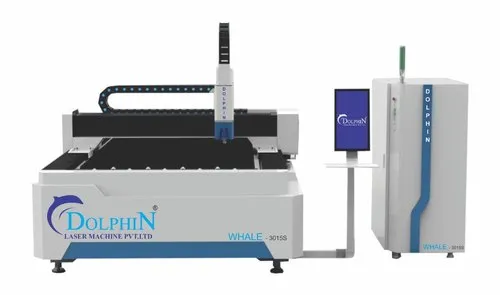
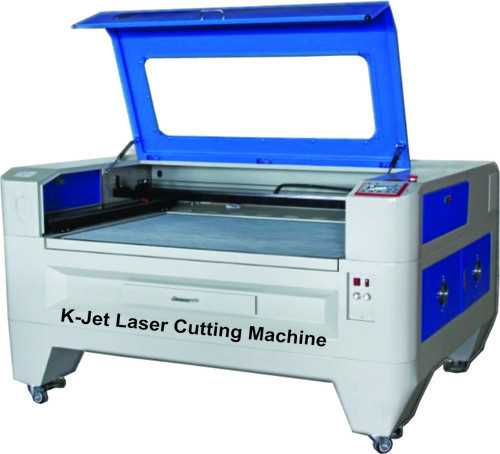
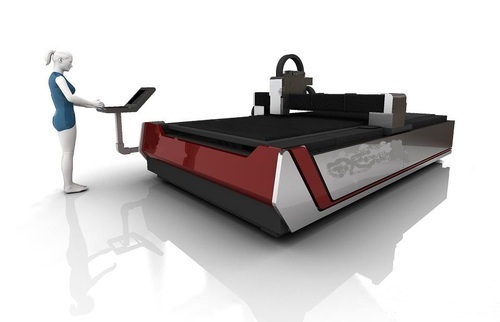
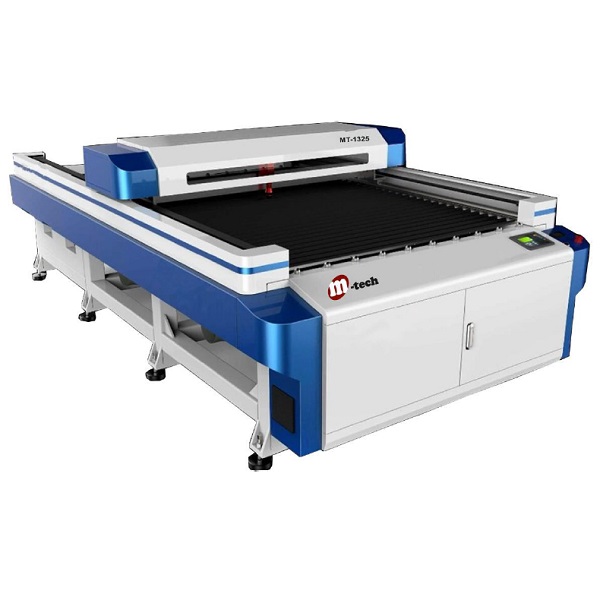
Laser Cutting Machine
A laser cutting machine uses a high-powered laser beam focused onto a material to cut or engrave it. It works by heating a small area to melting or vaporization, creating precise cuts. Industrial laser cutters commonly use CO<sub>2</sub> lasers or fiber lasers. These machines are extremely versatile: they can cut metals, plastics, wood, and glass with high speed and accuracy. As one guide notes, “an industrial laser cutting machine is a versatile and powerful tool used to cut through a wide range of materials, including metals, plastics, and glass”.
Type of Laser Cutting Machine
Laser cutters are classified primarily by laser type and configuration:
Laser Source: The main types are CO<sub>2</sub> lasers (gas lasers emitting in mid-IR) and fiber lasers (solid-state lasers with fiber-optic gain medium). Other types include Nd:YAG and diode lasers. (Fiber lasers are covered separately below.)
Beam Delivery: CO<sub>2</sub> machines use mirrors and lenses (e.g. ZnS lens) to guide the beam; fiber lasers use optical fiber and a final focusing head.
Configuration: Bench-top hobby lasers vs large CNC tables. Some are gantry-style CNC machines, others are enclosed boxes with moving tables.
Mode of Operation: Pulsed lasers vs continuous-wave (CW). Pulsed lasers can achieve finer cuts or ablation.
Assist Gas: O<sub>2</sub>, N<sub>2</sub> or air are used with the laser to blow molten material away, aiding cutting quality.
Applications in Various Industries
Laser cutting machines are widely used in fields requiring precision cutting:
Metal Fabrication: Cutting sheet metal (steel, aluminum, stainless, brass), perforations, and complex shapes for automotive, aerospace, and machinery parts.
Electronics Manufacturing: Precision cutting and drilling of PCBs (when using UV lasers) or enclosures.
Signage and Advertising: Cutting acrylic, wood, and composite sheets for signs and displays.
Medical: Cutting medical device components from metals.
Jewelry and Art: Engraving and cutting intricate designs in precious metals or glass.
Textiles and Apparel: Laser-cut patterns in fabric or leather.
Prototyping: Rapid fabrication of parts from plastics or composites where precise edges are needed.
Material Selection Considerations
Components of a laser cutter must manage heat and precision: